

Blogs
Life After Brain Tumor Surgery: Recovery Timeline
Understanding brain tumours early can help patients make informed decisions about diagnosis and treatment. Timely medical evaluation, personalised treatment, and regular follow-up are key to managing the condition and supporting better outcomes.
What Causes Levodopa-Induced Dyskinesia in Parkinson’s?
Understanding brain tumours early can help patients make informed decisions about diagnosis and treatment. Timely medical evaluation, personalised treatment, and regular follow-up are key to managing the condition and supporting better outcomes.
Can DBS Help Writer’s Cramp and Task-Specific Dystonia?
Understanding brain tumours early can help patients make informed decisions about diagnosis and treatment. Timely medical evaluation, personalised treatment, and regular follow-up are key to managing the condition and supporting better outcomes.
Can Dystonia Go Away on Its Own?
Understanding brain tumours early can help patients make informed decisions about diagnosis and treatment. Timely medical evaluation, personalised treatment, and regular follow-up are key to managing the condition and supporting better outcomes.
What Is Tardive Dystonia and Can It Be Reversed?
Understanding brain tumours early can help patients make informed decisions about diagnosis and treatment. Timely medical evaluation, personalised treatment, and regular follow-up are key to managing the condition and supporting better outcomes.
How Patients Can Combat Brain Tumour?
Understanding brain tumours early can help patients make informed decisions about diagnosis and treatment. Timely medical evaluation, personalised treatment, and regular follow-up are key to managing the condition and supporting better outcomes.
When Should You Consider A DBS Surgery?
DBS surgery is indicated for Parkinson's disease when levodopa-responsive symptoms (tremor, rigidity and bradykinesia) develop unpredictable on-off fluctuations and dyskinesias that medication adjustments can't control. It doesn't cure Parkinson's or replace...
What Is Dyskinesia?
Dyskinesia is involuntary, writhing or dance-like movement of the limbs, trunk or face that develops after years of levodopa therapy in Parkinson's disease. It is a side effect of the treatment, not a symptom of the disease itself. It can range from mild movements...
Medical Tourism For Neuro Surgery In India
Medical tourism for neurosurgery in India draws international patients through shorter wait times, lower costs, and fellowship-trained surgeons. Complex procedures brain tumour resection, spine surgery, DBS, and epilepsy surgery are performed at standards comparable...
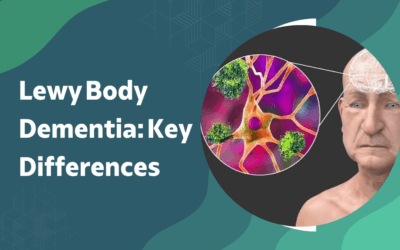
What Is Lewy Body Dementia and How Is It Different?
Lewy body dementia is a progressive brain disorder caused by abnormal protein deposits called Lewy bodies that accumulate in nerve cells and disrupt thinking, movement, behaviour, and mood. It is the second most common neurodegenerative dementia after Alzheimer's and...
What Questions to Ask Before Any Brain or Spine Surgery?
Every patient scheduled for brain or spine surgery has the right to clear, specific answers before signing a consent form and the quality of those answers reveals as much about the surgeon as the diagnosis itself. The questions that matter aren't about reassurance....
What Is a Neuropsychological Evaluation Before Surgery?
A neuropsychological evaluation before brain surgery measures memory, language, attention, executive function, and visuospatial ability to establish a precise pre-operative baseline. It identifies which functions are already impaired and which are at risk from the...
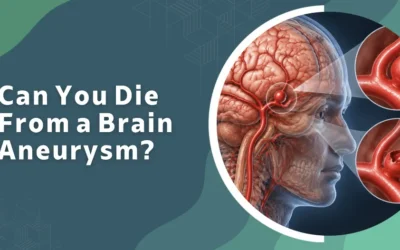
Can You Die From a Brain Aneurysm?
Yes, a brain aneurysm can be fatal, but mainly if it ruptures. Most unruptured aneurysms never cause problems and are often found incidentally. A rupture, however, is a medical emergency: roughly one in four people die within the first 24 hours, and about half do not...
Brain Arteriovenous Malformation: When to Operate?
Operating on a brain AVM isn't a reflex it's a risk calculation. The Spetzler-Martin grade (size, location, venous drainage pattern) anchors the decision, but patient age, neurological status, and prior rupture history all shift the calculus. Not every AVM needs...
How Is Drug-Resistant Epilepsy Diagnosed?
Drug-resistant epilepsy is defined as the failure of two appropriately chosen, adequately dosed antiepileptic drugs to achieve sustained seizure freedom. Once that threshold is reached, the probability of a third drug succeeding drops to under five percent. Before...
Temporal Lobe Epilepsy: Symptoms and Surgical Options
Temporal lobe epilepsy is the most common focal-onset epilepsy in adults and the most frequent indication for epilepsy surgery worldwide. Up to 40% of patients don't achieve adequate control on antiepileptic drugs alone. Temporal lobe resection carries the highest...
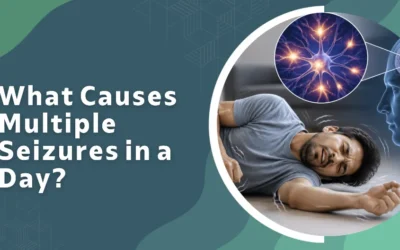
What Causes Multiple Seizures in a Day?
Multiple seizures in a day, often called seizure clusters, can stem from missed medication, sleep deprivation, fever or infection, hormonal shifts, or poorly controlled epilepsy itself. In many cases there is no single identifiable trigger. Clusters matter because,...

What Is the Ketogenic Diet for Epilepsy?
The ketogenic diet shifts the brain's fuel source from glucose to ketone bodies, reducing seizure frequency. It's been used in epilepsy management for over a century and remains one of the most evidence-backed non-surgical options for drug-resistant epilepsy. Around...
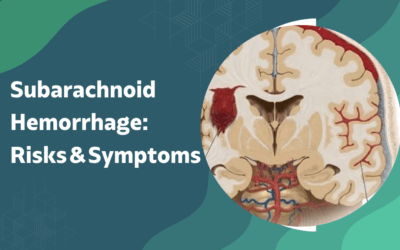
What Is Subarachnoid Hemorrhage and Is It Fatal?
Subarachnoid hemorrhage is bleeding into the space between the brain and its covering membranes, most commonly from a ruptured intracranial aneurysm. It accounts for around 5% of all strokes but carries disproportionately high mortality 10–15% die before reaching...
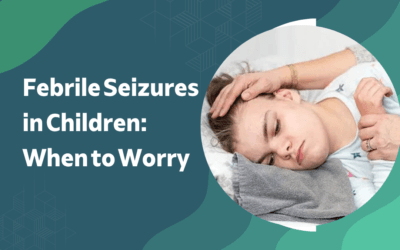
Febrile Seizures in Children: When to Worry?
Febrile seizures occur in 2–5% of children between six months and five years, triggered by a rapid rise in body temperature rather than a primary neurological problem. Most are brief, generalised, and self-terminating stopping within two minutes with no permanent...
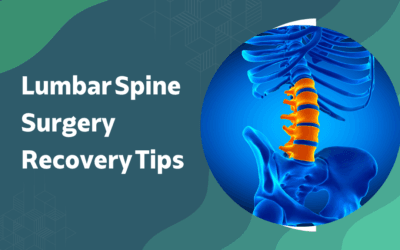
How to Recover Faster After Lumbar Spine Surgery?
Recovery speed after lumbar spine surgery depends on three things: the procedure performed, how long compression existed before surgery, and how closely the patient follows the rehabilitation protocol. Discectomy patients typically walk within 24 hours and return to...

Thoracic Disc Herniation: Why It’s Harder to Diagnose?
Both grade 3 and grade 4 brain tumors are classified as high-grade malignancies under the WHO system, meaning both grow rapidly, infiltrate surrounding tissue, and require aggressive multimodal treatment but they aren't the same disease. Grade 3 tumors, such as...

When Does Neck Pain Become a Neurological Emergency?
Neck pain becomes a neurological emergency not when it's severe, but when it's accompanied by weakness, sensory loss, bowel or bladder dysfunction, or progressive neurological deterioration. Mechanical neck pain doesn't threaten the cord compression from a herniated...
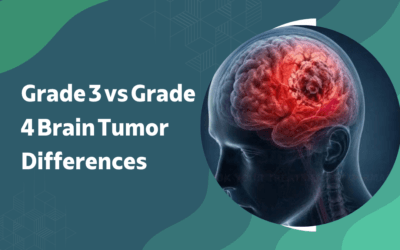
Grade 3 vs Grade 4 Brain Tumor: Key Differences
Both grade 3 and grade 4 brain tumors are classified as high-grade malignancies under the WHO system, meaning both grow rapidly, infiltrate surrounding tissue, and require aggressive multimodal treatment but they aren't the same disease. Grade 3 tumors, such as...
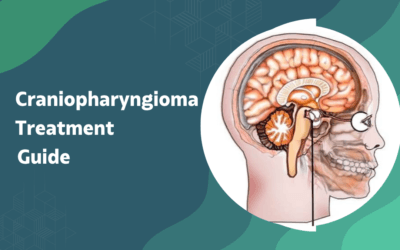
What Is a Craniopharyngioma and How Is It Treated?
Craniopharyngioma is a benign, slow-growing tumor that develops near the pituitary gland and hypothalamus, arising from remnants of embryonic tissue left over from fetal development. It doesn't invade surrounding brain tissue the way malignant tumors do, but its...
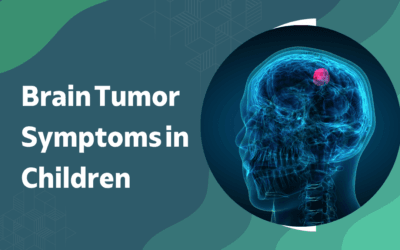
Brain Tumor in Children: Symptoms Parents Should Know?
Brain tumors in children produce symptoms linked to rising pressure inside the skull, damage to surrounding tissue, or disrupted nerve pathways and the specific pattern depends on where the tumor sits and the child's age. Common presentations include recurrent morning...
How To Fight Epilepsy If You Stay Alone?
Managing epilepsy alone requires four things working together: seizure detection technology, home safety modifications, strict medication adherence, and a documented emergency plan shared with someone nearby. Research shows living and sleeping unsupervised raises...
What Happens Post Brain Tumor Surgery?
Recovery after brain tumor surgery moves through immediate post-operative monitoring, followed by imaging confirmation, staged rehabilitation and long-term surveillance. The first 24 to 48 hours focus on neurological checks in a critical care setting to catch swelling...
Brain Tumor Surgery In India: All You Need To Know?
Brain tumor surgery in India ranges from a standard craniotomy for accessible tumors to minimally invasive and endoscopic approaches for lesions sitting in harder-to-reach locations. The surgical plan depends on tumor type, size, location, and how close it sits to...
What Are The Causes & Symptoms Of Hydrocephalus?
Hydrocephalus is caused by an abnormal buildup of cerebrospinal fluid within the brain's ventricles, arising from excess fluid production, blocked circulation, or impaired absorption. It can be congenital, present from birth due to structural malformations, or...
How Have Minimally Invasive Techniques Evolved in Spine Surgery in India?
A baclofen pump delivers baclofen directly into the intrathecal space at doses roughly 100 times lower than oral equivalents, producing targeted spasticity reduction without systemic side effects. It is indicated when oral baclofen and other muscle relaxants fail to...
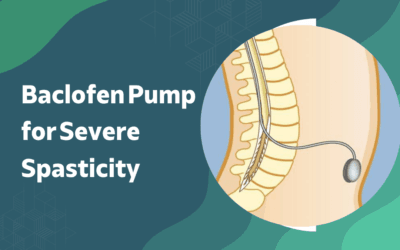
When Is a Baclofen Pump Used for Spasticity Instead of Oral Medication?
A baclofen pump delivers baclofen directly into the intrathecal space at doses roughly 100 times lower than oral equivalents, producing targeted spasticity reduction without systemic side effects. It is indicated when oral baclofen and other muscle relaxants fail to...
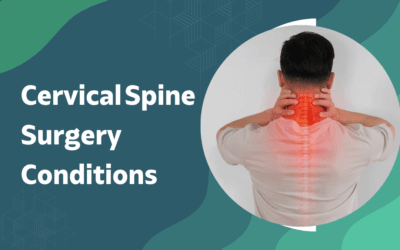
What Conditions Require Cervical Spine Surgery and How Long Is Recovery?
Cervical spine surgery is indicated when disc, vertebrae, or spinal canal problems cause persistent neurological deficits, cord compression, or unresolved pain. Primary conditions include disc herniation, spondylotic myelopathy, spinal stenosis, trauma-related...
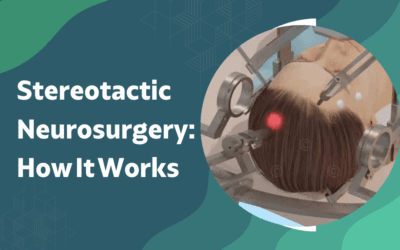
What Is Stereotactic Neurosurgery and How Does It Work?
Stereotactic neurosurgery uses a three-dimensional coordinate system to pinpoint precise targets inside the brain without large open incisions. Pre-operative MRI or CT imaging is mapped to a frame fixed to the skull, guiding instruments, electrodes, or radiation beams...
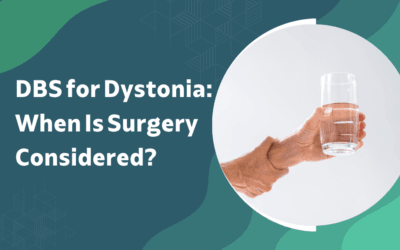
DBS for Dystonia: When Is Surgery Considered?
Dystonia is a movement disorder characterised by sustained or intermittent muscle contractions that produce abnormal postures, repetitive movements, or both. Unlike Parkinson's disease, where DBS produces rapid and predictable motor improvement, dystonia responds to...
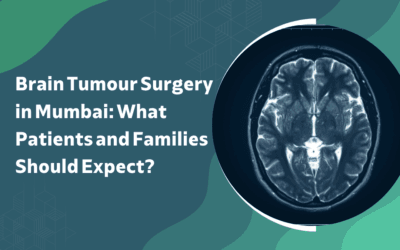
Brain Tumour Surgery in Mumbai: What Patients and Families Should Expect?
Brain tumour surgery is one of the most significant decisions a patient and family will navigate, and the experience from first consultation to discharge is more structured than most people anticipate. At experienced neurosurgical centres, the process follows a...
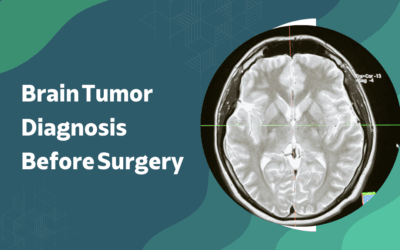
How Is Brain Tumor Diagnosed Before Surgery?
Brain tumor diagnosis before surgery follows a defined sequence: neurological examination, contrast MRI, additional imaging where indicated, and tissue biopsy to confirm histology and molecular grade. Imaging identifies location and likely tumor type biopsy provides...
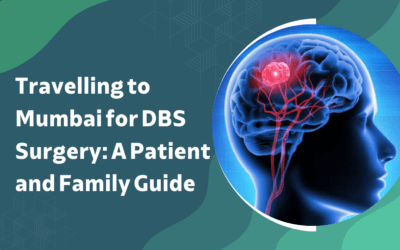
Travelling to Mumbai for DBS Surgery: A Patient and Family Guide?
Patients travelling to Mumbai for deep brain stimulation surgery come from across India and from international destinations, often after exhausting local options or receiving a referral to a centre with dedicated movement disorder surgical expertise. The logistics of...
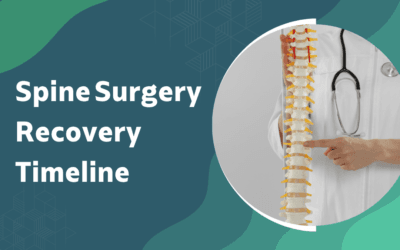
How Long Does Recovery Take After Spine Surgery?
Recovery after spine surgery ranges from a few weeks to nearly a year, depending on the procedure. Discectomy or foraminotomy allows light activity within two to four weeks. Laminectomy takes six to eight weeks. Spinal fusion is different, since bone needs three to...
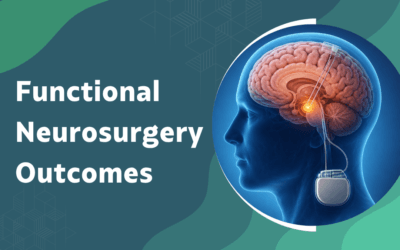
What Are the Outcomes of Functional Neurosurgery for Movement Disorders?
Functional neurosurgery, most commonly deep brain stimulation, improves tremor, rigidity, slowness and abnormal postures, though benefit varies by condition. Parkinson's patients see the strongest results, with tremor eased and medication needs dropping. Dystonia...
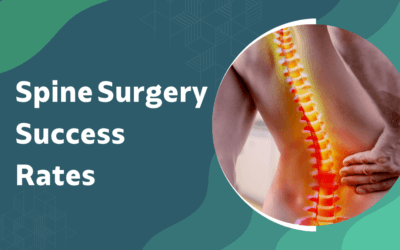
What Are the Success Rates of Minimally Invasive Spine Surgery in India?
Minimally invasive spine surgery in India achieves consistently high success rates, with microdiscectomy showing symptom relief in roughly 85 to 95 percent of well-selected patients. Success means meaningful pain reduction, restored mobility and return to normal...
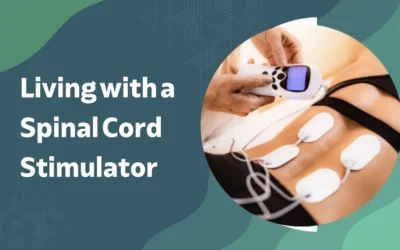
Living with a Spinal Cord Stimulator: Daily Life, Driving and MRI Safety
A spinal cord stimulator (SCS) is designed to fit into daily life, not restrict it. Most patients return to work, exercise, and travel within weeks of recovery. Driving needs a few sensible precautions, especially around switching the device off before getting behind...
Essential Tremor Diet: Foods That Help Reduce Tremors and Support Better Quality of Life
No single food cures essential tremor, but a consistent, nutrient-dense eating pattern, especially one close to the Mediterranean diet, is linked to milder symptoms and may lower long-term risk. Foods rich in omega-3s, magnesium, B6, and antioxidants support nerve and...
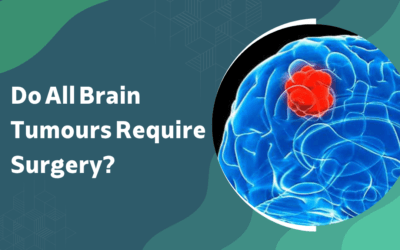
Do All Brain Tumours Require Surgery?
Not all brain tumours require surgery. Treatment decisions are based on tumour type, grade, size, location, rate of growth, and the patient's neurological status at presentation. Benign slow-growing tumours in non-eloquent locations are sometimes monitored with serial...
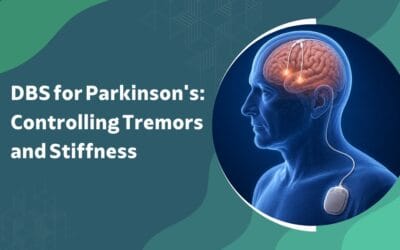
Can DBS Help Control Tremors, Stiffness and Slow Movement in Parkinson’s?
Deep brain stimulation directly targets the neural circuits responsible for the three core motor symptoms of Parkinson's disease: tremor, rigidity, and bradykinesia. It doesn't reverse the underlying neurodegeneration, but by modulating abnormal signalling in the...
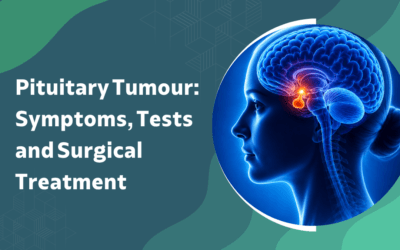
Pituitary Tumour: Symptoms, Tests and Surgical Treatment
Pituitary tumours are abnormal growths in the pituitary gland, a pea-sized structure at the base of the brain that regulates growth, metabolism, reproduction, and stress response. Most are benign and slow-growing, but their location adjacent to the optic chiasm and...
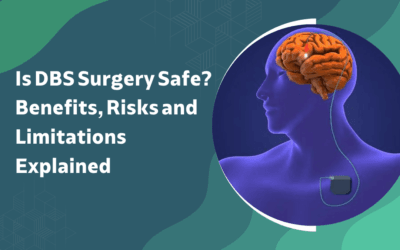
Is DBS Surgery Safe? Understanding the Benefits, Risks and Limitations
Deep brain stimulation has been around long enough that its safety record is no longer a guess. Surgeons have been placing electrodes for movement disorders since the early 1990s, and by now there's decades of outcome data across thousands of patients. Still, it's...
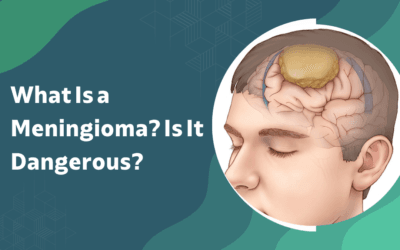
What Is a Meningioma and Is It Dangerous?
Meningiomas are tumours that arise from the meninges, the three-layered membrane covering the brain and spinal cord, making them the most common type of primary intracranial tumour in adults. Most are benign and grow slowly, but their location and eventual size...
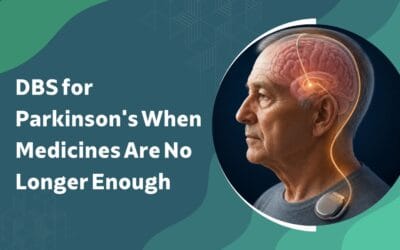
When Parkinson’s Medicines Are No Longer Enough: Should You Consider DBS?
Parkinson's medications manage symptoms effectively in the early years, but motor fluctuations, wearing-off episodes, and dyskinesia eventually reduce their reliability in a significant proportion of patients. Deep brain stimulation is a surgical intervention that...
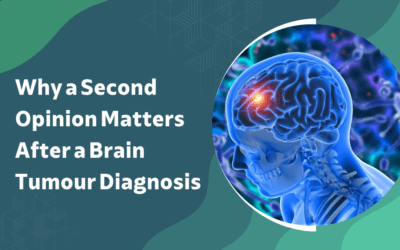
Why a Second Opinion Matters After a Brain Tumour Diagnosis?
A second opinion after a brain tumour diagnosis isn't a sign of distrust it's a standard step in neurooncology that can alter the treatment plan, surgical approach, and in some cases the diagnosis itself. Brain tumour grading errors, misclassified pathology reports,...
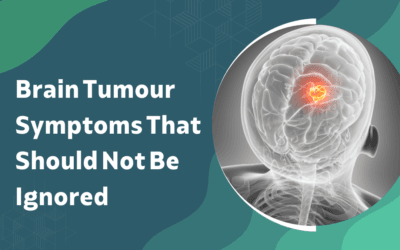
Brain Tumour Symptoms That Should Not Be Ignored
Dementia cannot always be prevented, but research suggests roughly 45% of cases are linked to modifiable risk factors, including high blood pressure, high LDL cholesterol, hearing and vision loss, physical inactivity, and social isolation. Most of these show...
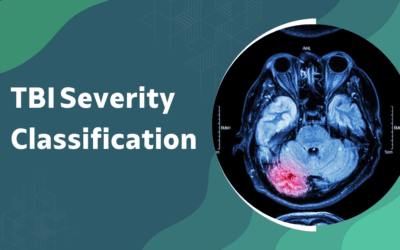
Traumatic Brain Injury: How Severity Is Classified?
Traumatic brain injury severity is classified using the Glasgow Coma Scale, scoring eye opening, verbal response and motor response from 3 to 15. A score of 13-15 is mild, 9-12 is moderate, and 8 or below is severe. Lower scores mean deeper unconsciousness and greater...
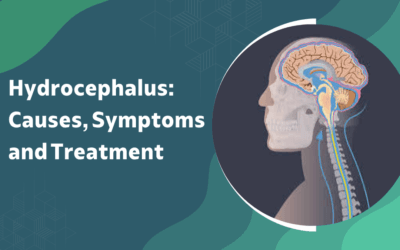
Hydrocephalus: What Causes, Symptoms and Treatment?
Hydrocephalus is an abnormal accumulation of cerebrospinal fluid inside the brain's ventricles, raising intracranial pressure and progressively damaging surrounding brain tissue. The fluid itself isn't the problem. It's the pressure that builds when normal CSF flow or...

Can DBS Be Combined With Other Parkinson’s Treatments?
DBS can be combined with medication and other Parkinson's treatments, since each works through a different mechanism. DBS delivers continuous stimulation to reduce tremor, rigidity and motor fluctuations, while levodopa still covers symptoms stimulation doesn't reach,...
What Increases the Risk of Brain Tumor Recurrence After Surgery?
Recurrence risk depends mainly on tumour grade, extent of resection, and molecular markers from histopathology. Completely removed low-grade tumours carry far lower recurrence risk than high-grade gliomas, where recurrence is expected; treatment delays it, not...
Stroke vs Brain Hemorrhage: What’s the Difference?
A stroke occurs when blood supply to part of the brain is interrupted, either by a clot blocking an artery or by a ruptured blood vessel bleeding into brain tissue. A brain hemorrhage is one specific type of stroke, not a separate disease, accounting for roughly 13%...
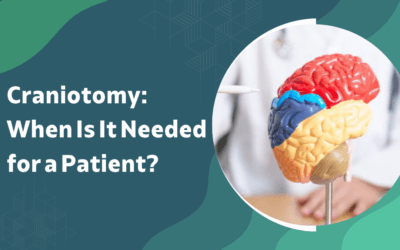
Craniotomy: When Is It Needed for a Patient?
A craniotomy is one of the most significant surgical decisions a neurosurgeon presents to a patient or their family. It involves temporarily removing a section of the skull to access the brain whether to remove a tumour, drain a blood clot, clip an aneurysm, or...
Can Dementia Be Prevented With Early Neurological Care?
Dementia cannot always be prevented, but research suggests roughly 45% of cases are linked to modifiable risk factors, including high blood pressure, high LDL cholesterol, hearing and vision loss, physical inactivity, and social isolation. Most of these show...
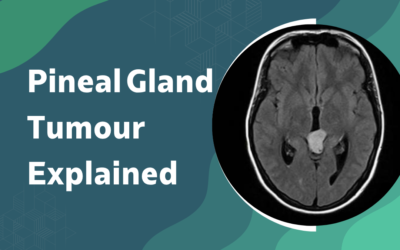
What Is Pineal Gland Tumour and How Is It Treated?
A pineal gland tumour grows in or around the pineal gland, a small brain structure that produces melatonin and regulates sleep. Its location near major draining veins and the cerebrospinal fluid pathway means hydrocephalus is usually the first sign, often presenting...
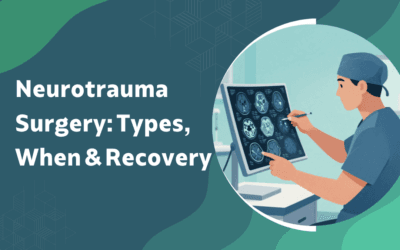
Neurotrauma Surgery: What It Is, When It Is Needed, and What to Expect?
Neurotrauma refers to sudden, traumatic damage to the brain, spinal cord, or nerves injuries that can occur in seconds but leave consequences that last years. Road accidents, falls, sports collisions, and industrial incidents are among the most common causes seen in...
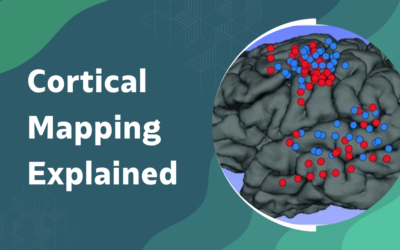
What Is Cortical Mapping in Awake Brain Surgery?
Cortical mapping identifies which brain areas control speech, movement, sensation and memory before tissue is removed during surgery. A small electrical current stimulates the brain's surface while the patient performs simple tasks, and any disruption marks a region...
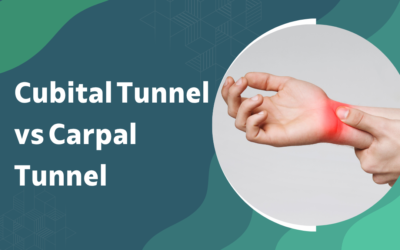
Cubital Tunnel vs Carpal Tunnel: What Is the Difference?
Cubital tunnel compresses the ulnar nerve at the elbow, affecting the ring and little fingers and worsening with prolonged elbow bending. Carpal tunnel compresses the median nerve at the wrist, affecting the thumb, index and middle fingers and flaring with repetitive...
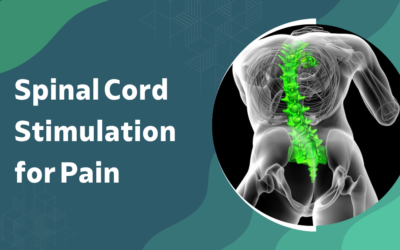
Does Spinal Cord Stimulation Really Work for Chronic Back Pain?
Spinal cord stimulation can cut chronic back and leg pain by half or more. It isn't magic, and it isn't for everyone. A small implanted device sends mild electrical pulses to the spinal cord and scrambles the pain signals before they reach the brain. It works best for...
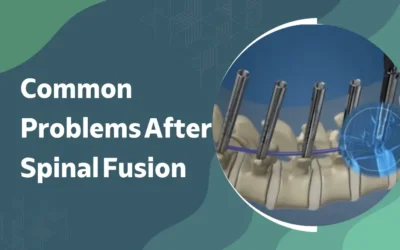
Common Problems After Spinal Fusion
Most spinal fusion surgeries heal without major problems, but recovery isn't always perfectly smooth. Stiffness, aches, and nerve pain can linger for a while, while issues like hardware problems or nearby spinal wear usually show up much later, if they happen at all....
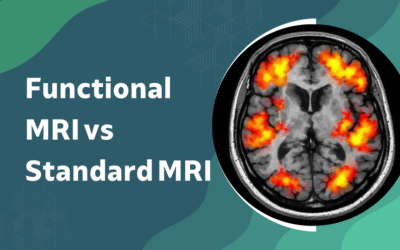
Functional MRI vs Standard MRI: Which Is Better?
Standard MRI and fMRI are complementary, not competing. MRI shows the tumour's size, location, and anatomy, while fMRI maps critical functions such as movement, speech, and memory. For tumours near eloquent brain areas, both are essential for safe surgical planning. ...
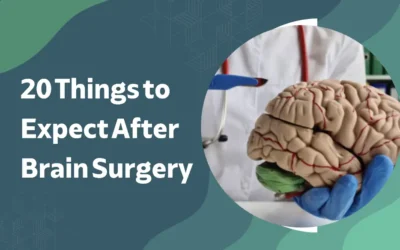
20 Things to Expect After Brain Surgery
Recovery after brain surgery is gradual and deeply personal. Expect fatigue, headaches, mood swings, and slower thinking in the early weeks. Most of this eases within months. Some patients regain full function; others need therapy for speech, movement, or memory....
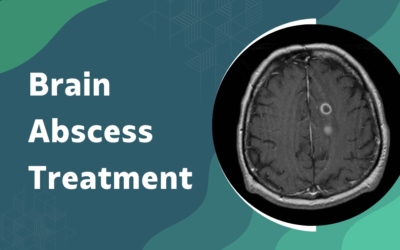
What Is Brain Abscess and How Is It Treated?
Not the same thing. Not even close. Migraine is a neurological disorder with its own phases, triggers and symptoms that go well beyond head pain. A tension headache and a migraine both hurt. That is where the similarity ends. Treatment that works for one does nothing...
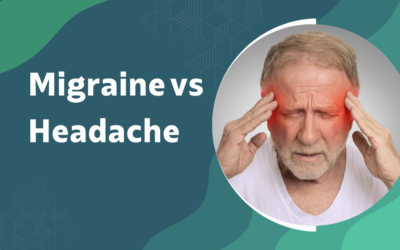
What Is the Difference Between Migraine and Headache?
Not the same thing. Not even close. Migraine is a neurological disorder with its own phases, triggers and symptoms that go well beyond head pain. A tension headache and a migraine both hurt. That is where the similarity ends. Treatment that works for one does nothing...
What Are Non-Motor Symptoms of Parkinson’s Disease?
Parkinson's disease is known for tremor, stiffness and slowness of movement. But the non-motor symptoms are just as common, often more disabling and, in many cases, appear years before the tremor is noticed. Loss of smell, constipation, sleep disturbance and...
What Is Non-Epileptic Seizure and How Is It Different?
A non-epileptic seizure looks like epilepsy but produces no abnormal electrical activity in the brain. That single difference changes everything: the diagnosis, the treatment and the outcome. These seizures do not respond to antiepileptic drugs, and prescribing them...
Ependymoma vs Astrocytoma: How Is Treatment Different?
Two brain tumours. Both glial. Both treated with surgery first. After that, the paths diverge significantly. Ependymoma stays local, responds to focal radiotherapy, rarely needs chemotherapy. Astrocytoma spans grade 1 to grade 4, and at the high end, chemotherapy is...
Laminectomy vs Spinal Fusion: Which Is Less Invasive?
Laminectomy is less invasive. Shorter operation, less blood loss, faster recovery, no implanted hardware. Spinal fusion is larger, screws, rods, bone graft, months before the bone consolidates. But the comparison only matters when both are genuinely options for the...
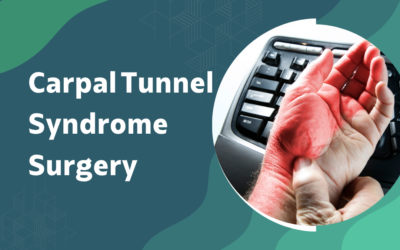
What Is Carpal Tunnel Syndrome and Who Needs Surgery?
Carpal tunnel syndrome is compression of the median nerve at the wrist. The nerve supplies sensation to the thumb, index, middle and half the ring finger, and motor power to the thumb muscles. When the tunnel narrows, the nerve gets squeezed. Tingling, numbness and...
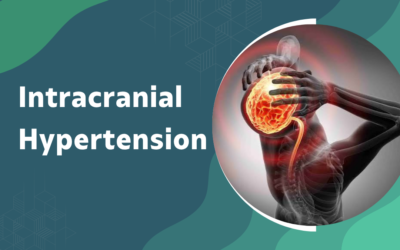
What Is Intracranial Hypertension and How Is It Treated?
Intracranial hypertension. Raised pressure inside the skull that has no room to give. Brain tissue swells, CSF backs up, blood volume rises, and the pressure climbs with it. Trauma, haemorrhage, infection, or no identifiable cause at all. The damage it does to the...
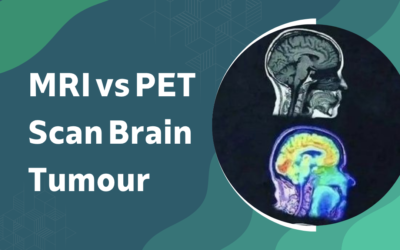
MRI vs PET Scan: Which Is Better for Brain Tumours?
Neither is universally better. MRI is the first investigation and the one that drives surgical planning. PET follows when the question shifts from where the tumour is to how metabolically active it is, or whether a change on post-treatment imaging represents...
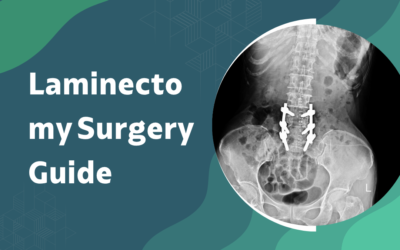
What Is Laminectomy and When Is It Needed?
Laminectomy removes the lamina, the bony roof of the spinal canal, to take pressure off the spinal cord or nerve roots. Simple concept. One of the most performed spinal operations in the world. It is the standard surgical answer for spinal stenosis when physio and...
Can Headaches Be a Sign of a Brain Tumour?
Headaches can be a sign of a brain tumour, though they are far more often caused by tension, migraine or other benign conditions. What distinguishes a brain tumour headache is not the pain itself but the pattern: progressive worsening over weeks, worse in the morning,...
DBS for Huntington’s Disease: Does It Work?
DBS can reduce chorea in selected Huntington's disease patients, but that is the limit of what it offers. It does not slow neurodegeneration or address cognitive decline. In patients with existing cognitive impairment, it may worsen it. The evidence base is small,...
Can a Spinal Cord Injury Cause Paralysis Permanently?
A spinal cord injury can cause permanent paralysis. Whether it does depends on one thing above everything else: how complete the damage is. Complete injuries, where nothing gets through below the injury site, carry the highest risk of lasting paralysis. Incomplete...
What Is Encephalitis and When Does It Need Surgery?
Encephalitis is inflammation of the brain itself, not the surrounding membranes. Most cases are managed medically in intensive care. Surgery enters the picture only when specific complications develop haemorrhage, abscess or brain swelling that no drug can reverse....
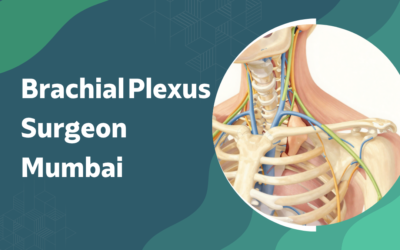
Best Neurosurgeon in Mumbai for Brachial Plexus Repair?
Brachial plexus repair demands microsurgical training in peripheral nerve reconstruction that sits outside standard neurosurgery. Dr. Gurneet Singh Sawhney brings fellowship training from Japan in functional neurosurgery, with direct experience across stretch...
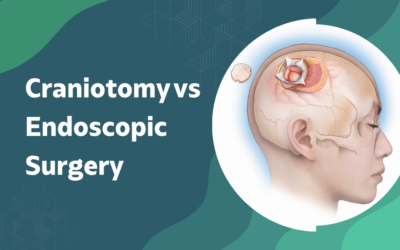
Craniotomy vs Endoscopic Surgery: Which Is Safer?
Neither approach is universally safer. The choice depends on the lesion type, its location and whether the pathology can be reached through a minimally invasive route. Craniotomy offers the widest access for complex pathology. Endoscopic surgery reaches certain areas...
What Are the Symptoms, Stages, Causes and Treatment of Migraine?
Migraine is a neurological disorder, not just a bad headache. The pain throbs on one side of the head and an untreated attack lasts 4 to 72 hours. About one person in eight has it worldwide. Women outnumber men three to one. Nausea, vomiting, and sensitivity to light...
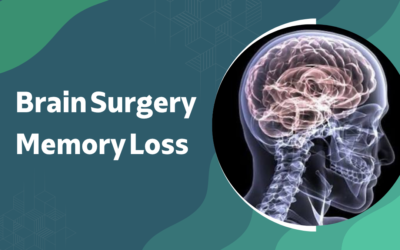
Can Brain Surgery Cause Memory Loss Permanently?
Brain surgery can lead to permanent memory loss, though this represents a less common outcome of the procedure. Most memory changes settle within weeks to months as post-operative swelling subsides and the brain finds its footing again. Permanent impairment becomes...
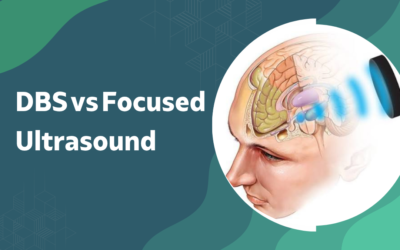
DBS vs Focused Ultrasound: Which Is Right for You?
Choosing between deep brain stimulation and focused ultrasound depends on the tremor's severity, which side needs treating, and how the patient weighs surgical risk against the trade-offs of each approach. DBS implants electrodes connected to a programmable device,...
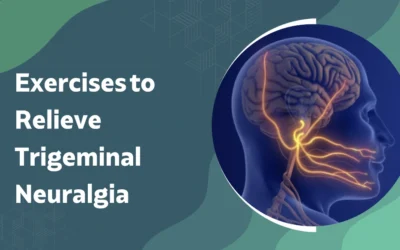
Exercises to Relieve Trigeminal Neuralgia
TL;DR Exercises won't cure trigeminal neuralgia, but gentle facial relaxation, slow neck stretches, and low-impact activity may ease pain for some people. They work by lowering muscle tension, reducing stress, and calming nerve sensitivity. Start slow and avoid...
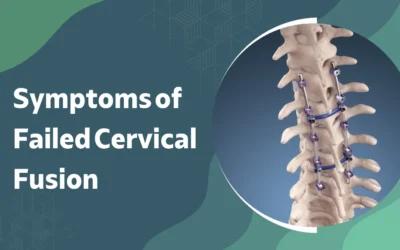
Symptoms of Failed Cervical Fusion
TL;DR Failed cervical fusion happens when the neck bones don't heal solidly after surgery. Warning signs include returning neck or arm pain, new numbness or weakness, clicking sounds, and hardware discomfort. Causes range from non-union to adjacent segment disease....
Multi-Level Stenosis: Is Fusion Surgery Always Needed?
No, fusion is not always needed for multi-level stenosis. Decompression alone, removing the bone or tissue narrowing the canal, is sufficient when the spine remains stable. Fusion becomes necessary when instability is present, such as spondylolisthesis, or when the...
What Is Neuro-Oncology?
Neuro-oncology is the field that deals with tumours growing in or around the brain, spinal cord, and peripheral nervous system. Some of these are benign and slow-growing. Others are aggressive, fast-moving, and difficult to treat even with the best available...
Radiosurgery vs Open Surgery: Which for Acoustic Neuroma?
Size matters more than almost anything else here. Small acoustic neuromas, under about two to three centimetres, suit stereotactic radiosurgery well, controlling growth without ever removing the tumour. Large ones causing brainstem pressure or neurological symptoms...
What Is Intraoperative Monitoring in Spine Surgery?
Intraoperative monitoring tracks spinal cord and nerve function in real time throughout an operation, alerting the surgeon to a problem before it becomes a permanent deficit. Electrodes placed on the patient measure electrical signals travelling along the cord and...
What Is Microdiscectomy and Who Needs It?
Microdiscectomy removes the herniated part of a lumbar disc that's pressing on a spinal nerve root. It's minimally invasive, done through a small incision, and most patients go home the same day. Leg pain relief tends to be immediate. Back pain and nerve symptoms like...
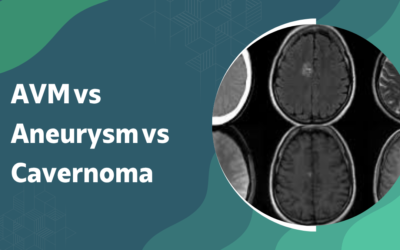
AVM vs Aneurysm vs Cavernoma: What’s the Difference?
Three conditions, one label covering all of them: brain vascular malformation. But the similarities stop there. An AVM is an abnormal tangle of arteries and veins connected directly, bypassing the capillary system, high flow, high pressure, lifelong rupture risk. An...
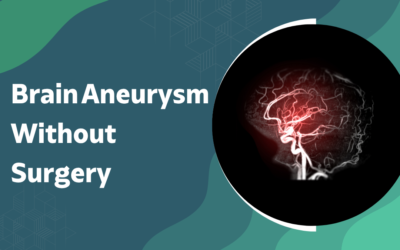
Can a Brain Aneurysm Be Treated Without Surgery?
A brain aneurysm does not always mean surgery. Not even close to always. Small, stable, unruptured aneurysms with a low rupture risk are often just watched with serial imaging and nothing more. Where treatment is needed, endovascular coiling or flow diversion seals...
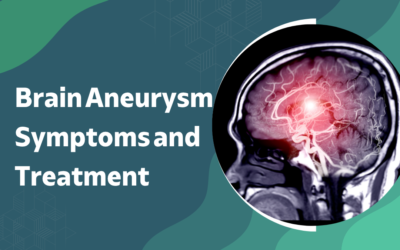
What Are the Symptoms, Causes, and Treatment of a Brain Aneurysm?
A brain aneurysm is a weak spot in a cerebral artery wall that balloons outward under blood pressure. Most people don't know they have one. When it ruptures, blood floods the space around the brain and the situation becomes immediately life-threatening. The symptoms,...
How Do You Manage Parkinson’s Disease?
Parkinson's disease is a progressive neurodegenerative movement disorder caused by the loss of dopamine-producing neurons in the substantia nigra. It presents with tremor, rigidity, bradykinesia, and postural instability. There is no cure, but management significantly...
How to Manage and Reduce Migraine?
Migraine is a neurological condition, not just a bad headache. Attacks involve moderate to severe pulsating pain, typically on one side of the head, and come with nausea, light sensitivity, and sound sensitivity that can last hours to days. Management works on two...
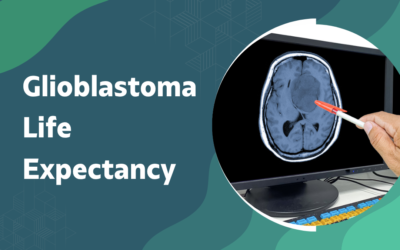
What Is Glioblastoma Life Expectancy?
Glioblastoma is the most aggressive primary brain tumour there is. Grade 4. Grows fast, infiltrates surrounding brain, and almost always returns. Median survival with the standard treatment package, maximal safe resection, radiotherapy and temozolomide, is around 14...
How to Protect and Strengthen your Spine?
The spine supports the entire upper body and protects the spinal cord. Most people don't think about it until something goes wrong. By then, years of poor posture, weak core muscles, or prolonged inactivity have already added up. Strengthening the core, correcting how...
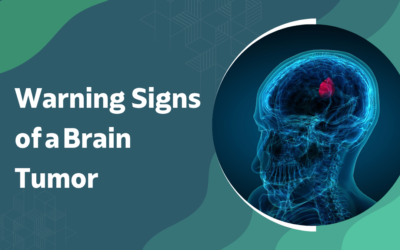
What Are the Warning Signs of a Brain Tumor?
Brain tumors produce symptoms by pressing on or displacing surrounding tissue, disrupting the normal electrical and chemical environment of the brain. The specific signs depend on the tumor's location, size, and rate of growth. A slow-growing tumor in a non-eloquent...