
Blogs
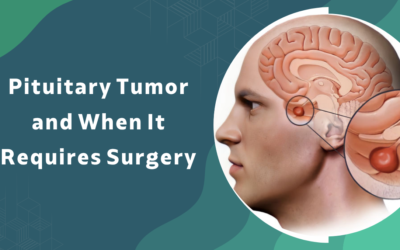
Pituitary Tumor and When It Requires Surgery
A pituitary tumor isn’t always dangerous and doesn’t always need surgery. Here’s what determines treatment and when surgery is the right call.
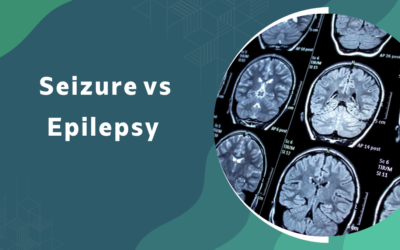
Seizure vs Epilepsy | Dr. Gurneet Singh Sawhney
A seizure is one event. Epilepsy is a diagnosed condition. Know when a first seizure needs urgent imaging and when surgery is the answer.
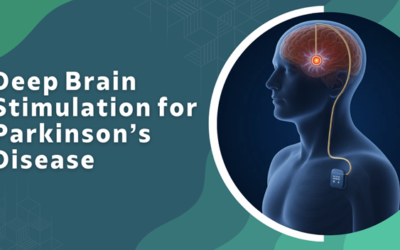
Deep Brain Stimulation for Parkinson’s Disease
Parkinson’s disease is a progressive neurological disorder that affects movement, coordination, and muscle control. While medications help control symptoms in the early stages, some patients experience reduced effectiveness of medicines over time. In such situations,...
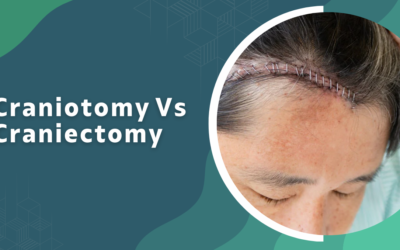
Craniotomy Vs Craniectomy
Craniotomy and craniectomy are neurosurgical procedures that involve opening the skull to access the brain. While both techniques allow surgeons to treat serious brain conditions, the key difference lies in how the skull bone is handled during surgery. Understanding...
Tumor Be Completely Removed by Surgery
Depends entirely on what kind of tumor you're dealing with. That's not a dodge, it's genuinely the answer. Two patients, two brain tumors, two completely different surgical realities. One has a meningioma sitting on the brain surface with clean edges. The other has a...
Recovery After Brain Tumor Surgery in India
There's no single number. Anyone who gives you one without knowing your case is guessing. Recovery depends on tumor type, location, how much came out, patient age, and neurological baseline going in. A 35 year old with a fully respected meningioma in a non-eloquent...
Benign vs Malignant Brain Tumors: Key Differences
Nobody explains this properly. So people walk out of consultations thinking benign means safe and malignant means it's over. Neither is quite right. Here's what benign actually means the tumor stays put. It doesn't invade the tissue around it. It won't pack up and...
Warning Signs of a Brain Tumor Not to Ignore
The problem with brain tumor symptoms isn't that they're rare. It's that most of them look exactly like something ordinary. A headache. A bit of dizziness. Forgetting a word mid-sentence. These things happen to everyone and usually mean nothing. But in certain...
Success Rate of Brain Tumor Surgery in Mumbai
It depends on what you mean by success. And that question matters more than most families realise when they first ask it. "Success rate" flattens everything into one figure that doesn't apply equally to every case. A meningioma in an accessible location is a...
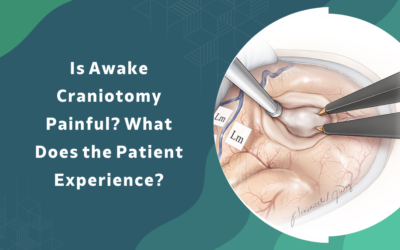
Is Awake Craniotomy Painful? What to Expect
No. It's not painful. The brain genuinely has no pain receptors not a small number, none. There's nothing inside the skull that registers a pain signal. And the scalp, which does have receptors, gets numbed with local anaesthetic before the first incision. So what...
Why Patients Stay Awake During Brain Tumor Surgery
It sounds like the most frightening thing imaginable. It isn't but that's not a sentence that lands well without explanation. Certain brain tumors grow right next to areas that handle speech, language, movement. Remove the tumor under general anaesthesia and you have...
Deep Brain Stimulation Surgery Mumbai Cost
Yes. And the cost is where most families immediately get stuck because what they find online is either too vague to be useful or too specific to apply to their actual situation. DBS isn't one thing with one price. It's a device cost, a surgical fee, hospital charges,...
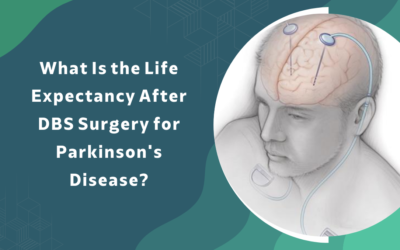
Life Expectancy After DBS Surgery for Parkinson’s Disease
This is one of the first questions families ask. And it's the right question but the answer isn't what most people are bracing for. DBS surgery doesn't shorten life expectancy. That's worth saying clearly because the fear going into a brain surgery conversation is...
Is Parkinson’s Disease Hereditary and Can It Be Prevented
Here's the thing families always want a cleaner answer to than actually exists. Most people with Parkinson's have no family history of it. Zero. No parent, no sibling, no uncle anyone can trace it back to. And most people who do have a parent with the disease never...
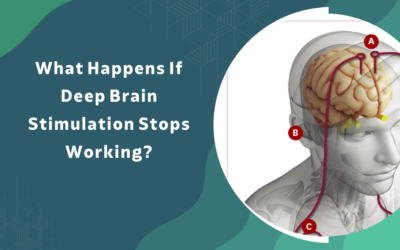
What Happens If Deep Brain Stimulation Stops Working
The first thing to understand is that "DBS stopped working" usually means one of several very different things and which one it is determines entirely what happens next. Sometimes the device is fine and the settings just need adjustment. Sometimes the battery is...
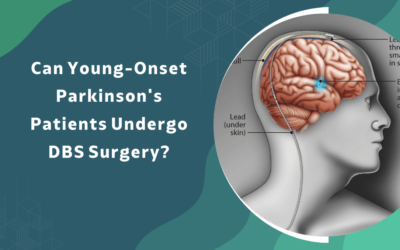
Can Young Onset Parkinson’s Patients Undergo DBS Surgery
Yes. And in many cases, younger patients with Parkinson's are actually stronger DBS candidates than older ones. That surprises a lot of families. The assumption tends to run the other way that surgery is for older patients who've exhausted everything else, and that...
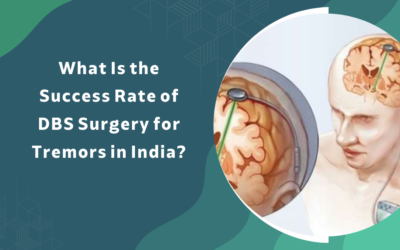
Success Rate of DBS Surgery for Tremors in India
Numbers get thrown around a lot in this conversation. "90% success rate." "85% improvement." They sound reassuring until you ask what success actually means in those studies and whether the patients being measured look anything like your case. The honest answer is...
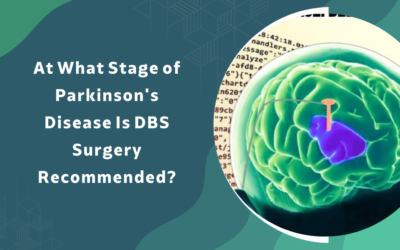
What Stage of Parkinson’s Is DBS Surgery Recommended
No. It can't. And anyone telling you otherwise is giving you the wrong expectation going into surgery. Parkinson's is a progressive neurological condition the dopamine-producing cells in the brain keep deteriorating regardless of whether a device is implanted or not....
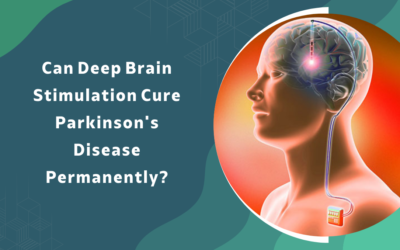
Can Deep Brain Stimulation Cure Parkinson’s Disease?
No. It can't. And anyone telling you otherwise is giving you the wrong expectation going into surgery. Parkinson's is a progressive neurological condition the dopamine-producing cells in the brain keep deteriorating regardless of whether a device is implanted or not....
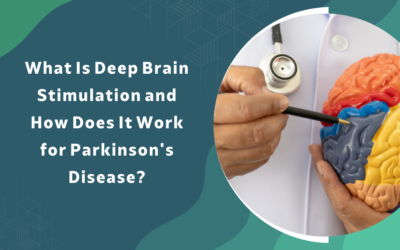
What Is Deep Brain Stimulation for Parkinson’s Disease
It's a surgery. A small device similar in size to a cardiac pacemaker gets implanted under the skin near the collarbone. Thin wires run from it up into specific regions of the brain. Those wires deliver continuous electrical pulses that interrupt the faulty signals...
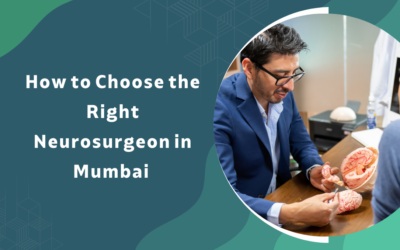
How to Choose the Right Neurosurgeon in Mumbai
Nobody teaches you this. You get a diagnosis, someone hands you a referral, and suddenly you're expected to pick the person who'll operate on your brain or spine like you're ordering off a menu. Most people just go with whoever's available. That's not a knock on them...

Does Dr. Gurneet Sawhney Treat International Patients?
Yes, he does. Patients fly in from the Gulf, East Africa, Southeast Asia, parts of Europe. Some come for surgery. Some just want a second opinion before they decide anything. The process itself isn't complicated. Most people from outside India just don't know where to...
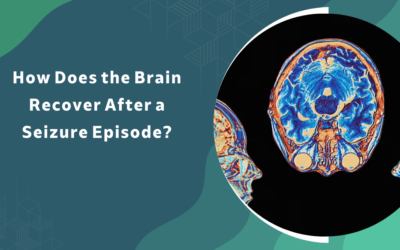
How Does the Brain Recover After a Seizure?
Nobody talks about what happens after the seizure stops. Everyone focuses on the episode itself. Timing it. Getting the person safe. Calling for help. But the recovery that follows, that part carries just as much clinical weight. Sometimes more. The brain doesn't...
Book Online Consultation
You don't need to travel to Mumbai for a proper neurosurgical opinion. Booking an online consultation with Dr. Gurneet Singh Sawhney is straightforward. Call, WhatsApp, or email the clinic, share your scans beforehand, and you'll get a confirmed slot within 24 to 48...
Who Is the Best Neurosurgeon for DBS Surgery in Mumbai?
Looking for the best neurosurgeon in Mumbai for DBS surgery? Dr. Gurneet Singh Sawhney at Fortis Hospital explains who needs it and what real results look like.
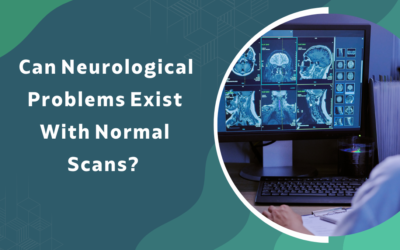
Can Neurological Problems Exist With Normal Scans? | Dr. Gurneet Sawhney
Yes—neurological problems can exist even when your MRI or CT scan looks perfectly normal. A clean scan means there's no visible structural damage. It doesn't mean your nervous system is working the way it should. Dr. Gurneet Singh Sawhney, a leading neurosurgeon in...
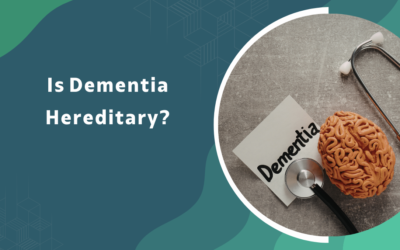
Is Dementia a Hereditary?|Neurosurgeon in Mumbai.
Dementia does not necessarily occur genetically, but in some people, it can be more likely due to genetics. The majority of the cases related to dementia, such as those related to Alzheimer's disease, are as a result of aging, lifestyle habits, vascular conditions,...
5 Tips for Instant Migraine Relief
Migraines are intense and often debilitating headaches that can disrupt daily life. While medication is one way to manage a migraine, there are several practical, evidence-based strategies you can use for fast relief. As a neurosurgeon, I have seen many patients who...
How to Cure Migraine Permanently: Treatment Guide by Dr. Gurneet Sawhney Mumbai
Wondering how to cure migraine permanently? Let's be real—there's no magic cure that makes migraines vanish forever. But here's the good news: you can control them so well that they barely affect your life anymore. Many people who used to get crushing migraines two or...
Why Does Facial Nerve Pain Feel Electric or Stabbing?
Facial nerve pain often feels like electric shocks or stabbing sensations due to the way nerves transmit pain signals to the brain. When the trigeminal nerve, which controls sensation in the face, becomes irritated, compressed, or damaged, it sends abnormal signals to...
What Are the 10 Causes of a Stroke
Stroke is one of the leading causes of long-term disability and neurological damage worldwide. Understanding what causes a stroke is essential, as many of these risk factors develop silently over time. While stroke can occur suddenly, its causes often build gradually,...
Why Do Migraines Impact on Vision Before Headache sets in?
The vision is impaired by migraine preceding the onset of head pain as a result of transitory neurological losses in the brain, especially in the visual processing parts. This stage is referred to as a migraine aura wherein the visual cortex is disrupted temporarily...
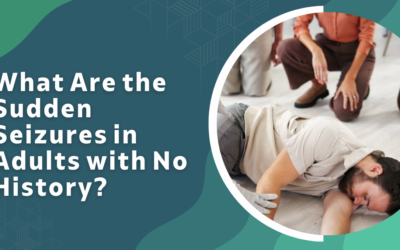
What Are the Sudden Seizures in Adults with No History?
Sudden seizures in adults with no prior history are often caused by hidden neurological, metabolic, or medical conditions such as brain tumors, stroke, infections, electrolyte imbalance, low blood sugar, alcohol withdrawal, or medication effects. The seizure is...
Young-Onset Parkinson’s Life Expectancy
Young-onset Parkinson’s disease is a condition that affects individuals under 50, and it brings unique challenges when it comes to life expectancy. While it can be a difficult diagnosis, many people with young-onset Parkinson’s go on to lead fulfilling, long lives,...
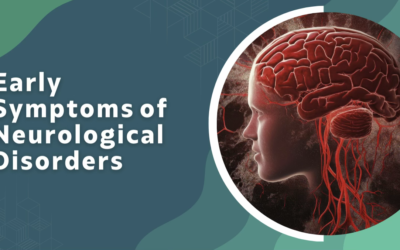
Early Symptoms of Neurological Disorders
Neurological disorders often begin with subtle, overlooked symptoms that can evolve over time. These early signs might seem unrelated to any serious conditions, but catching them early can make a significant difference in treatment and quality of life. The earlier you...
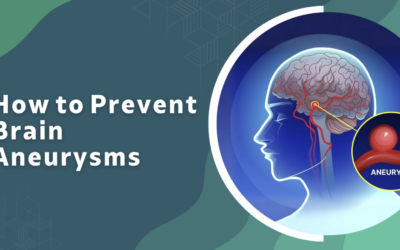
How to Prevent Brain Aneurysms
Brain aneurysms are abnormal bulges in the brain’s blood vessels. If left untreated, these aneurysms can rupture, leading to severe health consequences such as stroke, brain damage, or even death. While preventing a brain aneurysm entirely is not always possible,...

Mini-Stroke Symptoms in the Elderly
A mini-stroke, also known as a Transient Ischemic Attack (TIA), occurs when there is a temporary blockage of blood flow to the brain. In elderly individuals, TIAs can be especially concerning, as they often signal an increased risk of a full-blown stroke. Dr. Gurneet...
What Are the 5 Warning Signs of a Mini-Stroke?
A mini stroke, medically called a transient ischemic attack, is the body's early alert that a major stroke may be developing soon. A brief blockage in the brain stops oxygen flow for minutes. Even though symptoms fade quickly, the impact on health is serious. These...
How Long Does It Take to Walk After Spinal Surgery?
Spinal surgery, whether for a herniated disc, spinal stenosis, or degenerative disc disease, can be life-changing. However, recovery can be challenging, and one common question patients ask is, “How long does it take to walk after spinal surgery?” Walking is an...
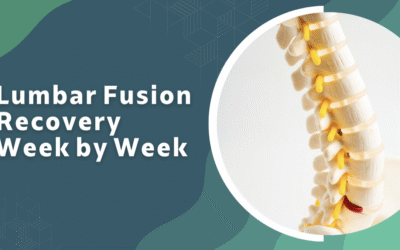
Lumbar Fusion Recovery Week by Week: A Complete Guide
Lumbar fusion surgery is often recommended to treat serious spine issues like degenerative disc disease, scoliosis, or severe herniated discs. The procedure involves fusing two or more vertebrae together to eliminate motion in the spine and relieve pain. Though lumbar...
Stage 5 Parkinson’s Disease Life Expectancy: What to Expect and How to Manage Care
Parkinson's disease is a progressive condition affecting both the body and the mind. Stage 5 is the fifth and final stage of Parkinson's disease, where patients might be facing more severe problems with mobility, balance, and independence. But let us not forget that...

Long-Term Side Effects of Craniotomy
Craniotomy is a complex brain surgery that can bring great relief to patients suffering from tumors, trauma, or neurological conditions. But the recovery can be challenging. Side effects of craniotomy in the long term can differ from person to person depending upon...
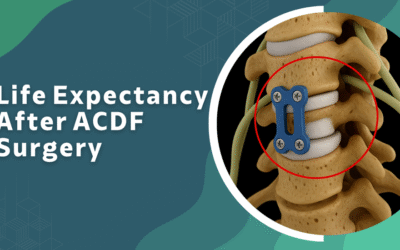
Life Expectancy After ACDF Surgery
Anterior Cervical Discectomy and Fusion (ACDF) surgery is one of the most widely performed spine procedures for patients struggling with cervical spine disorders. It is often recommended when other conservative treatments fail to relieve pain, weakness, or...
What to Expect 3 Weeks After Spinal Fusion
Spinal fusion surgery is a major procedure, often used to address issues like spinal instability, degenerative conditions, or fractures. While the benefits of this surgery can significantly improve quality of life, recovery can be a long and nuanced process. Knowing...
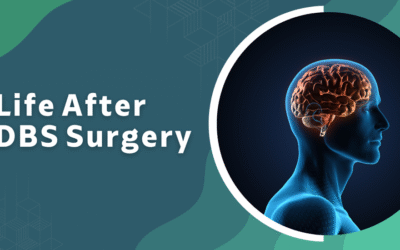
Life After DBS Surgery: How to Adjust and Thrive Post-Procedure
Deep Brain Stimulation (DBS) surgery is an advanced procedure for neurological conditions like Parkinson’s disease, essential tremor, and dystonia. It involves implanting a device that sends electrical impulses to targeted brain areas, regulating abnormal activity and...
Buttock Pain After Microdiscectomy – Introduction
Our spine is the architectural marvel that supports our every move—walking, bending, even just sitting. When a spinal disc bulges or herniates, it can press on nerves, triggering pain that radiates through the back, legs, or buttocks. This discomfort doesn’t just...
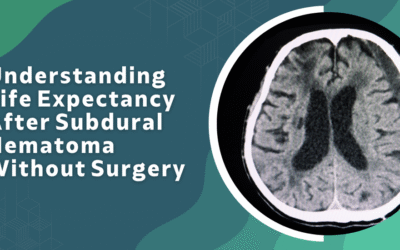
Understanding Life Expectancy After Subdural Hematoma Without Surgery
A subdural hematoma (SDH) is a collection of blood trapped between the brain’s protective layers — the dura mater and arachnoid mater. It typically results from head injuries that tear veins, causing blood to pool and put pressure on the brain. While surgical drainage...

Risk of Rebleed After Subdural Hematoma
Subdural hematoma is a potentially life-threatening condition where blood collects between the brain and its outer covering (the dura mater), often due to head trauma or injury. While timely treatment can resolve the immediate danger, a significant concern remains:...

Life Expectancy After Mini Stroke at 80
A mini-stroke, also known as a transient ischemic attack (TIA), may last only a few minutes, but its implications, especially for elderly individuals, can be long-lasting. At the age of 80, the body’s ability to bounce back from neurological events is often limited,...

Craniotomy Recovery Time: What to Expect Week by Week
A craniotomy is a type of surgical procedure that involves removing a portion of the skull to access the brain for medical purposes. It is often performed to treat brain tumors, relieve pressure from brain swelling, remove blood clots, or address other neurological...

Pain on Left Side of Face, Jaw, and Ear
Pain on left side of face, jaw, and ear can be a confusing symptom, often leading to misdiagnosis or delayed treatment. In India, conditions like trigeminal neuralgia (TN), temporomandibular joint (TMJ) disorders, and chronic sinusitis are prevalent and can manifest...

Do Grand Mal Seizures Cause Brain Damage?
Grand mal seizures, or generalized tonic-clonic seizures, are very intense and terrifying events that take place within the brain. They cause sudden loss of consciousness, stiff muscle convulsions, and typically confusion or exhaustion afterward. For those affected,...

Headache on left side of head for 3 days
Have you been dealing with a headache on left side of your head for 3 days straight? It is easy to dismiss it as fatigue or a bad night’s sleep, but when the discomfort doesn’t go away—or worsens—it could be a signal from your body that something more serious is at...
3 Weeks After Microdiscectomy
Microdiscectomy is a minimally invasive spine surgery performed to relieve nerve compression due to a herniated disc. While the procedure is quick, the recovery process is gradual, requiring patience and adherence to post-operative care guidelines. By 3 weeks after...
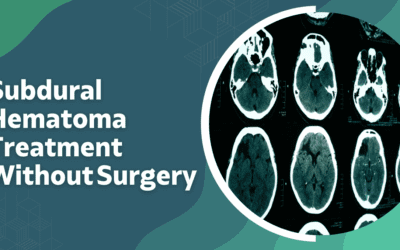
Subdural Hematoma Treatment Without Surgery
The brain is the command center of life; every thought, movement, and function depends on its health. Any disruption to its delicate structure can lead to life-altering consequences. Worldwide, brain conditions impact millions—nearly 1 in 6 people suffer from...
Can Lack of Sleep Cause Non-Epileptic Seizures?
Sleep is essential for brain function, emotional stability, and neurological health. Lack of sleep can hinder the brain's ability to manage stress and emotions, potentially leading to issues like non-epileptic seizures (NES)—events that resemble seizures due to...
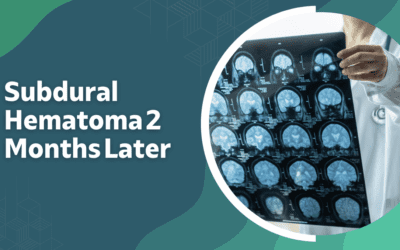
Understanding Subdural Hematoma 2 Months Later
A subdural hematoma (SDH) is a collection of blood between the dura mater and the arachnoid mater, two of the protective membranes covering the brain. This condition often arises from head injuries that cause veins to tear, leading to blood accumulation in the...
6 Months After Microdiscectomy
Microdiscectomy is a minimally invasive surgical procedure designed to remove portions of a herniated disc that press on a spinal nerve, causing pain, numbness, or weakness. Experts often recommend it to patients who haven't found relief from conservative treatments...
Muscle spasms after injury
Injuries can disrupt lives, often leaving lasting physical and emotional impacts. Among the many complications, muscle spasms are particularly distressing. Globally, millions experience muscle spasms following injuries, whether from sports, accidents, or everyday...
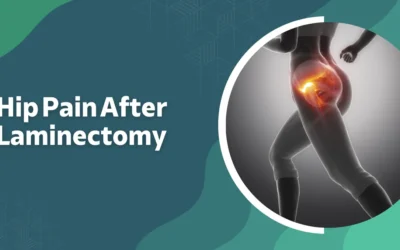
Hip Pain After Laminectomy
Laminectomy is a common spinal procedure performed to alleviate nerve pressure by removing the back part of one or more vertebrae. This procedure, often recommended for spinal stenosis, can significantly relieve back pain and improve mobility. However, some patients...
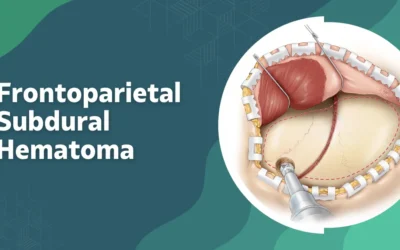
Frontoparietal Subdural Hematoma
A frontoparietal subdural hematoma is a form of brain injury. In this condition, blood collects between the brain and its outer covering (dura mater) in the frontoparietal region. It often results from head trauma, leading to pressure on the brain. Globally, subdural...
Trigeminal Neuralgia Neck and Shoulder Pain
Trigeminal neuralgia affects around 12 out of every 100,000 people globally, making it a relatively rare but excruciatingly painful condition. While trigeminal neuralgia primarily affects the facial region, it can also extend to other body parts, including the neck...
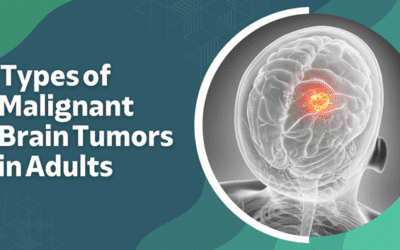
Types of Malignant Brain Tumors in Adults
Brain tumors are a significant health concern, especially when they are malignant. Adults diagnosed with malignant brain tumors often face a difficult journey filled with uncertainty and anxiety. These tumors develop from abnormal cell growth in the brain. They can...
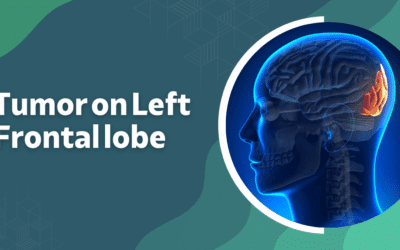
Tumor on Left Frontal Lobe
A tumor on left frontal lobe can cause a range of challenges and symptoms, affecting both physical and cognitive functions. This part of the brain is crucial for decision-making, problem-solving, and controlling movement. Tumors in this area can result in various...
Can Epilepsy Come Back After 20 Years?
Epilepsy is a neurological disorder that affects millions worldwide, often leading to life-altering challenges. While many patients achieve long-term remission, a pressing question remains: can epilepsy come back after 20 years of being seizure-free? To shed light on...
Recurring Slipped Disc
Living with recurring slipped disc pain can be a constant struggle. Patients typically experience discomfort, limited mobility, and a significant impact on their daily lives. A recurring slipped disc often indicates underlying issues that need proper diagnosis and...
Back pain after a seizure
Seizures are sudden, uncontrolled electrical disturbances in the brain caused by various factors, including neurological disorders like epilepsy, brain trauma, and stroke. They can cause changes in behavior, movements, feelings, and levels of consciousness. Having a...
Life after Craniotomy
The brain is the most complex and least understood human anatomy, highlighting its incredible function and importance. It controls our thoughts, memories, emotions, and actions. Conditions affecting the brain can cause significant physical, cognitive, and emotional...
What Is The Recovery Time For Brain Surgery?
There are various conditions that can be treated with brain surgery, namely tumors and vascular malformations. No matter what your diagnosis is, if your doctor has advised brain surgery as a treatment option, you are surely wondering, “How much time will it take to...
Neck Pain 1 Year After ACDF Surgery
Anterior Cervical Discectomy and Fusion (ACDF) surgery is a standard procedure for alleviating chronic neck pain. It also addresses neurological symptoms caused by compressed nerves in the cervical spine. Dr. Gurneet Singh Sawhney, one of the best neurosurgeon in...
Sciatica Pain 1 Year After Microdiscectomy
Living with persistent sciatica pain 1 year after microdiscectomy can be quite challenging. This surgical procedure is successful in relieving symptoms caused by a herniated disc. Yet, some individuals may experience discomfort or even a revival of symptoms. In this...
Back Pain 6 Months After Spinal Fusion
Post Views: 191 In today’s fast-paced world, spinal fusion surgeries are increasingly common. The procedure aims to offer relief to individuals grappling with back pain. Dr. Gurneet Singh Sawhney, a renowned neurosurgeon in Mumbai explains: “Spinal fusion involves...
Trigeminal Neuralgia and Tongue Pain
Trigeminal neuralgia (TN) is a rare chronic pain disorder affecting the trigeminal nerve. Its estimated global incidence is about 4 to 13 cases per 100,000 people annually. Trigeminal neuralgia tends to be more prevalent among individuals aged 50 and above. Women have...
Parkinson’s in 20s
Finding out you have Parkinson’s in your 20s can be really surprising. Most times, we think Parkinson’s is something only older people get. But young adults can have it, too. This situation comes with its own set of challenges, like choosing treatments and making some...
Failed Rhizotomy
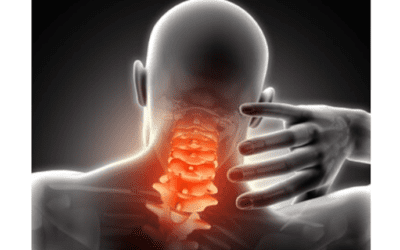
A Rhizotomy is a surgical procedure aimed at relieving chronic pain by severing nerve roots in the spinal cord. While many experience significant pain reduction, a failed rhizotomy can occur, leaving patients in discomfort or with uneasy symptoms. Dr. Gurneet Singh...
20 Years After Spinal Fusion
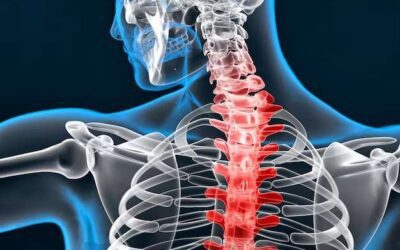
Twenty years after a spinal fusion, patients often find themselves reflecting on their recovery. They also think about the surgery’s long-term effects. They include persistent pain. Also, the challenges faced, lifestyle changes, advances in spinal care tech, and the...
Understanding Dystonia and Seizures
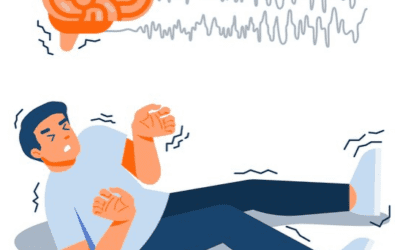
Dystonia is a condition where your muscles contract by themselves, causing parts of your body to move in ways you didn’t plan, resulting in twisting, strange postures, or repetitive movements, like your muscles playing a tune you didn’t pick.Learn More about Dystonia...
Understanding Acute Symptomatic Seizures
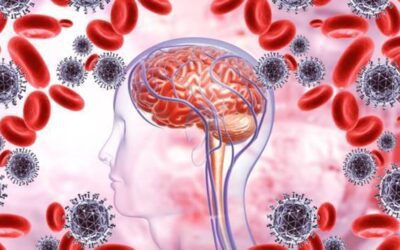
Acute symptomatic seizures (ASS) occur in close relation to an acute brain injury. Unlike other types of seizures, they’re directly tied to an immediate cause. They often resolve once the doctor understands and treats the cause. It is a distinct type of seizure,...
Understanding the Connection between Alzheimer’s and Seizures
Navigating the journey of Alzheimer’s can be daunting, especially when faced with the added complexity of seizures. “It is crucial to understand the interlinked condition of Alzheimer’s and seizures to manage and treat it effectively,” says Dr. Gurneet Singh Sawhney....
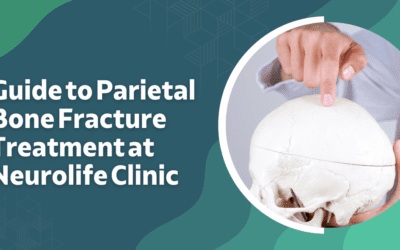
Guide to Parietal Bone Fracture Treatment at Neurolife Clinic
Did you know that the parietal bone protects the brain and supports the structure of the skull? Read further to know all about Parietal Bone and its implications in Head Injuries & Fracture Treatment Implications. The main function of the parietal bone is to...
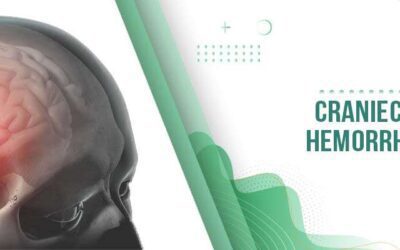
Craniectomy after hemorrhagic stroke
Hemorrhagic strokes are a medical emergency characterized by bleeding in the brain, often caused by the rupture of a weakened blood vessel. This critical and often life-threatening condition disrupts the blood supply, depriving brain cells of oxygen and nutrients....
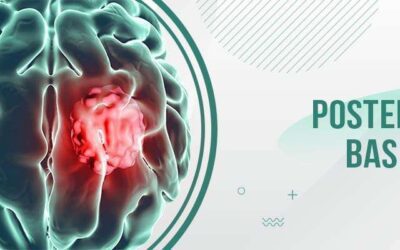
Posterior Skull Base Tumor
Posterior skull base tumors, although uncommon, are nestled deep within the intricate anatomy of the skull base. These tumors demand specialized attention due to their potential to impact vital structures such as the brainstem, cranial nerves, and major blood vessels....
Stepping Towards Stability With Parkinson’s Balance Exercises
Parkinson’s disease (PD) is a progressive neurodegenerative disorder affecting movement control. It arises due to the loss of dopamine-producing cells in the brain, leading to symptoms like tremors, rigidity, and slowed movement. Alongside motor symptoms, non-motor...
Malignant Hemispheric Infarction (MHI)
Malignant Hemispheric Infarction (MHI) is a severe type of stroke with a medical urgency demanding immediate attention. MHI, characterized by extensive brain tissue damage, not only poses immediate threats but also holds implications for long-term quality of life. Do...
10 Years After Spinal Fusion: Journey of Healing
Ten years after spinal fusion, many patients find relief from the excruciating pain that initially led them to undergo surgery. Some may experience residual discomfort, especially during weather changes or excessive physical strain. It is generally less severe than...
Anxiety and Epilepsy: Understanding the Connection and Managing Both
Epilepsy is a neurological disorder characterized by recurring seizures resulting from abnormal electrical activity in the brain. This condition affects millions of people worldwide, causing various challenges in their daily lives. One of the significant challenges...
The 7 Stages of Stroke Recovery
Medical emergency in which blood supply to the brain either stops or bleeds is called Stroke. The time recovered for recovery varies from person to person depending upon several conditions. Ideally the recovery starts from within 24 hours to 48 hours after the stroke...
Cervical Spinal Cord Stimulation: A Revolutionary Treatment for Chronic Pain
The cervical spine, located in the neck, contains the spinal cord, which serves as a communication pathway between the brain and the rest of the body. When a person experiences chronic pain, such as that caused by conditions like cervical radiculopathy or failed neck...
Microvascular Decompression for Trigeminal Neuralgia
Trigeminal neuralgia is a rare neurological disorder that causes intense facial pain, often described as a stabbing or electric shock-like sensation. The trigeminal nerve, which is responsible for sensation in the face, is affected by this condition. Everyday...
Life Expectancy After Mini-stroke
Mini-strokes or transient ischemic attacks (TIAs) are serious medical conditions you should not ignore. According to Mayo Clinic, a mini-stroke occurs when blood flow to the brain is temporarily blocked, leading to symptoms similar to a stroke that typically last only...
The Truth About Spine Surgery: 8 Myths Debunked
You have tried everything: painkillers, physiotherapy, massages, and yoga. However, your back pain won’t go away. You might be now wondering: Is spine surgery the solution? The majority of people find the mere prospect of having spine surgery terrifying. It is a...
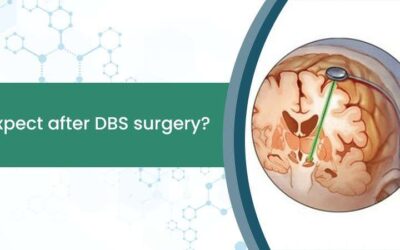
What can I expect after DBS surgery?
For individuals with movement disorders, including Parkinson’s, essential tremor, or dystonia, deep brain stimulation (DBS) surgery can change their lives, but this transformation takes time. According to Dr. Gurneet Singh Sawhney, one of the leading neurosurgeon in...
How to Treat Spasticity After Stroke?
Strokes occur when blood flow to the brain’s arteries is obstructed or (in more severe cases) leaks or bursts. Trauma to the brain and spinal cord from this can result in other symptoms. Muscles may stiffen, tighten, and resist stretching after a stroke. This...

Back surgery: When is it a good idea?
Back pain is one of the most frequent causes for people to visit a spine specialist in Mumbai. Primarily, back pain can be managed with medications and physiotherapy without surgery. Although back surgery is rarely necessary, it can help with some causes of back...

Brain Tumor Surgery – FAQ (Frequently Asked Questions)
A brain tumor is an abnormal growth of cells in the brain. Brain tumors can be either benign (noncancerous) or malignant (cancerous). It is a highly serious illness that targets the functions of your brain. The symptoms change according to the kind of tumor you have....
Cognitive Changes In Parkinson’s Disease (PD)
When someone is diagnosed with Parkinson’s disease (PD), they are usually told that the condition will progress and that they will experience physical changes. However, many people with PD also experience cognitive changes, and these changes can be just as distressing...
Tips To Manage Dyskinesia in Parkinson’s Disease
Parkinson’s disease is a condition in which the brain cells that produce the chemical dopamine responsible for movement and coordination begin to break down and die. Numerous signs and symptoms of Parkinson’s disease include tremors, facial grimacing, rigid muscles,...

Spinal Fusion – What You Need To Know
A spinal fusion is a type of surgery that is performed to correct problems with the bones and tissues of the spine. The surgery involves fusing 2 or more vertebrae into a single unit. Once bonded, they are unable to move as they once did. The intention is to stop...
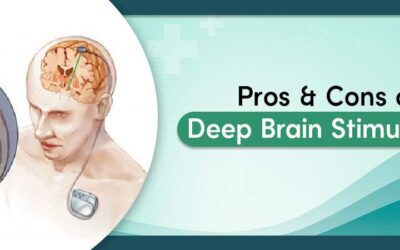
Pros and Cons of Deep Brain Stimulation
When it comes to managing the symptoms of Parkinson’s disease, deep brain stimulation, or DBS, has taken the place of other standard treatments. Although it isn’t a treatment for Parkinson’s disease and can’t stop its underlying progression, it is used to lessen or...
What Are The Do’s And Don’ts Of Seizures
A seizure is a short spell of abnormally high brain electrical activity resulting in convulsions (twitching, jerking, or fits), staring into space, stiffening muscles, or losing consciousness. Although seizures usually only last a few minutes, they can be terrifying...