

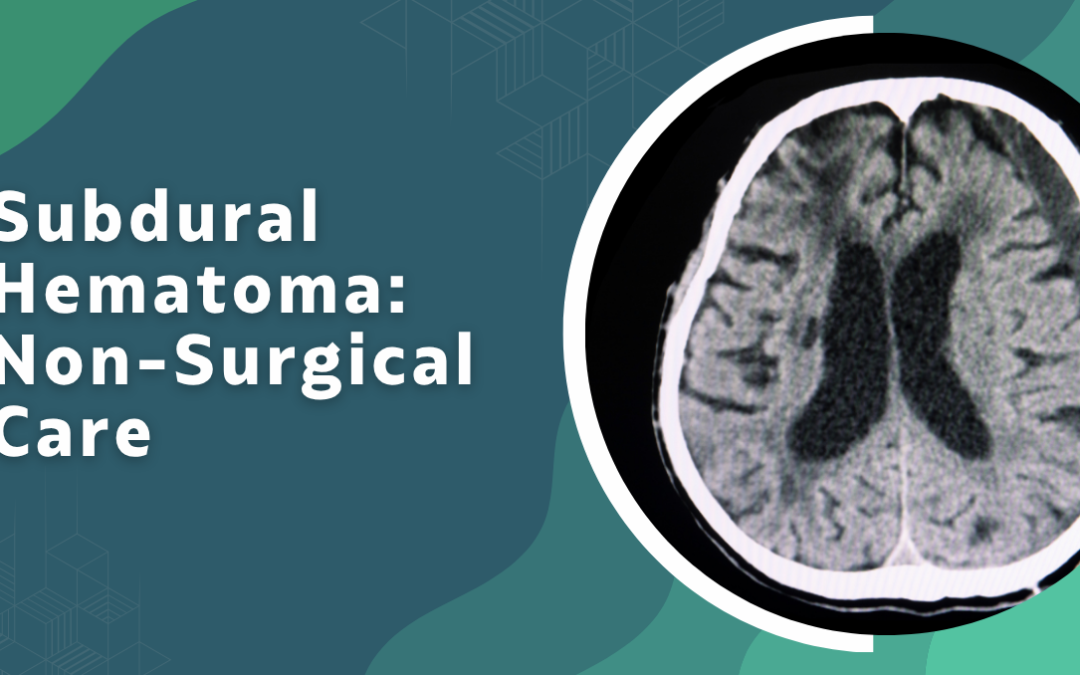
Life expectancy after a subdural hematoma without surgery comes down to the type and timing of the bleed. Mortality in untreated large or acute SDH runs between 40% and 60%, mostly in elderly patients or those on blood thinners. The picture changes completely for small, asymptomatic, or chronic SDHs. Many of these never need surgery in the first place. Patients in that group can hold near-normal life expectancy if monitoring is consistent. Outcome usually hinges on five things, age, bleed size, Glasgow Coma Scale score, blood thinner use, and overall health going into the bleed. An SDH itself is just blood pooling between the dura and arachnoid layers of the brain, almost always after a head injury that tears the bridging veins.
According to Dr. Gurneet Singh Sawhney, a senior neurosurgeon in Mumbai, Survival without surgery hinges on bleed size, neurological status, and disciplined monitoring. In selected cases, the brain reabsorbs the clot on its own, but that decision needs serial imaging, not guesswork.
Why Surgery May Not Be Performed?
Not every bleed gets operated on. Plenty don’t.
Small Bleed Volume: Hematomas under 10 mm, no midline shift. We watch. Most resolve. A few may end up needing advanced brain surgery in Mumbai if things shift later.
Frail or Elderly Patients: Heart issues. Age. Multiple medications running. Anaesthesia risk often beats the bleed risk in such cases.
Stable Neurology: Patient alert, talking, moving fine. No weakness. Monitoring beats cutting.
Patient Refusal: Some say no. After honest counselling, that call belongs to them.
Is monitoring the right call for your case? An expert opinion settles it.
What Are Survival Outcomes Without Surgical Intervention?
Outcomes scatter widely. Several things drive that:
Determining Factor | Favourable Indicator | Unfavourable Indicator | Impact on Prognosis |
Hematoma Thickness | Below 10 mm | Above 15 mm | High |
Midline Shift | Less than 5 mm | Greater than 5 mm | High |
Patient Age | Under 65 years | Above 75 years | Moderate |
Glasgow Coma Scale | 13 to 15 | Below 9 | Very High |
Anticoagulant Use | None | Active therapy | High |
Comorbid Conditions | Minimal | Multiple chronic illnesses | Moderate |
Imaging Stability | Resolving on follow-up | Expanding on serial scans | Very High |
- Bleed Size and Location: Thin peripheral bleeds, no mass effect these usually do fine. Deeper ones near critical zones? Or pushing the midline? Different story. Complex evacuations sometimes call for brain tumor surgery in Mumbai level planning.
- Age Matters: Under 65 with reasonable health recovery tends to be smoother. Elderly heal slower. Pick up complications more easily too.
- Blood Thinners: Warfarin. Apixaban. Antiplatelets. All bump up re-bleed risk. Reversal becomes urgent.
- GCS at Admission: Score 13 or above? Outlook generally good. Below 9? Survival drops sharply.
- Imaging Trend: Bleed shrinking or stable reassuring. Bleed growing that’s when conservative care gets rethought.
Spontaneous reabsorption happens in some subdural hematoma cases. Mostly chronic or subacute ones. Untreated bleeds that keep expanding? Pressure climbs. Brain damage sets in. Death possible.
Risks Associated with Conservative Management
- Watching instead of cutting isn’t risk-free. Far from it.
- Bleed can grow. Pressure inside the skull climbs with it.
- New weakness in an arm or leg. Slurred words. Bad signs.
- Seizures from cortical irritation may need seizure treatment in Mumbai input.
- Memory slipping. Focus going. Common in older patients.
- Worst case scenario? Brain herniation. Medical emergency. No room for delay
Spotting any of these in someone under observation? Get them seen. Fast.
Conservative Management Protocol
No surgery doesn’t mean no care. The opposite, actually.
Serial Scans: CT or MRI at fixed intervals. Catch every change.
Blood Thinner Review: Stop. Switch. Reverse. Decision needs a top neurosurgeon in India familiar with such cases.
Neuro Exams: Consciousness. Strength. Cognition. Checked. Rechecked.
Medications: Anticonvulsants if seizures look likely. Osmotic agents if pressure spikes.
BP Control: Tight. No surges. Hypertension re-triggers bleeds.
Rehab: Physio. Occupational therapy. Start early. Don’t delay.
Quality of Life After Non-Surgical Management
How patients function later? Depends on how the bleed evolves and how serious rehab is taken.
Good Recovery: Small resolving bleeds. Most back to normal in weeks.
Partial Recovery: Some leftover issues — fatigue, balance off, focus shaky. Daily support helps.
Poor Recovery: Progressive bleeds leave lasting damage. Long-term care needed. Sometimes coordinated alongside spine surgery in Mumbai and rehab.
Family involvement matters. Real talk — patients with engaged families do measurably better.
Second opinion needed? Dr. Sawhney handles complex cases himself.
Why Choose Dr. Gurneet Sawhney for Subdural Hematoma Care
Two decades of brain and spine work. That’s Dr. Gurneet Singh Sawhney’s track record and a lot of it has been the hardest intracranial bleeds. His approach is direct. Diagnose precisely. Plan individually. Treat what’s actually in front of him. No copy-paste decisions. As a senior brain and spine surgeon in Mumbai, he runs the whole range from quiet observation through complex surgical cases.
That means round-the-clock imaging, a dedicated neuro-ICU, and a rehab setup that picks up wherever observation or surgery leaves off. Multidisciplinary input. Clear communication. Follow-ups happen on schedule, not when convenient.
Frequently Asked Questions
What is the life expectancy after subdural hematoma without surgery?
Life expectancy varies, with mortality of 40% to 60% in untreated large or acute cases. Small, asymptomatic, or chronic hematomas often permit near-normal life expectancy through structured monitoring, with outcomes shaped by age, bleed size, and overall health.
How long does a subdural hematoma take to reabsorb naturally?
Chronic hematomas may resolve over four to twelve weeks, depending on size, patient age, and overall coagulation status.
What is the survival rate for small chronic subdural hematomas?
Small chronic hematomas under 10 mm without midline shift carry favourable survival rates, with most patients returning to baseline function after structured observation.
Which symptoms indicate the hematoma is worsening?
Progressive headache, vomiting, drowsiness, limb weakness, or speech changes require immediate neurosurgical evaluation.
Can a subdural hematoma recur after non-surgical resolution?
Recurrence remains possible, particularly in elderly patients or those on anticoagulant therapy, warranting long-term follow-up.
Disclaimer: The information shared in this content is for educational purposes only and not for promotional use.