

Brain Surgery in Mumbai
Are you seeking a trusted neurosurgeon in India for safe brain surgery?
Consult Dr Gurneet Singh Sawhney, one of the best neurosurgeon in Mumbai, India. He is renowned for performing safe and advanced brain surgery in Mumbai.
Ready to take the first step towards a successful brain surgery in Mumbai? Fill out the form below and let us guide you on your journey to optimal health and well-being.
Brain Surgeries performed by Dr. Gurneet Singh Sawhney to Treat Various Structural Issues in the Brain
Craniectomy
This procedure involves making an incision in the scalp and removing a section of the skull to access the brain. Neurosurgeons often perform this surgery for brain tumor removal and other complex brain conditions.
Stereotactic Procedures
These are minimally invasive procedures that use 3D imaging to precisely target and treat specific brain areas. Surgeons implement it for biopsy, radiosurgery, and deep brain stimulation.
Endoscopic Brain Surgery
It involves an endoscope, a thin, flexible tube with a camera and light. Neurosurgeons can access and treat brain abnormalities through small incisions, reducing recovery time and scarring.
Neuroendovascular Procedures
During this surgery, surgeons navigate tiny catheters and instruments through blood vessels to treat conditions like brain aneurysms and arteriovenous malformations.
Types of Brain Surgeries Performed by Dr. Gurneet Singh Sawhney
1. Brain Aneurysm
A brain aneurysm occurs when a weak bulging spot in the brain filled with blood is at risk of tearing or rupturing out. A brain aneurysm is repaired through:
- Clipping: During this procedure, the neurosurgeon makes an incision into the scalp and creates a hole in the skull. Then, they place a small clip at the aneurysm’s base to prevent rupture.
- Endovascular Repair: In an endovascular repair, the neurosurgeon inserts a wire and a catheter through the groin to reach the aneurysm. The neurosurgeon will install thin metal wires that coil into a boil, encouraging blood clot formation. This blood clot will prevent the rupture of the aneurysm in the future.

2. Abnormal Blood Vessels
Abnormal blood vessels or arteriovenous malformation (AVM) is a congenital disorder. A tangled web of arteries and veins could lead to brain haemorrhage, paralysis or other neurological issues.
Brain repair surgeries for Abnormal blood vessels may include:
- Surgical removal: Surgery is recommended only when abnormal vessels are easily accessible. The neurosurgeon performs a craniotomy to remove a part of the skull and access the abnormal blood vessels. The surgeon will remove or clip the abnormal blood vessels from the surrounding brain tissue. Then, the surgeon will restore the brain flap and close the brain.
- Endovascular embolization: During this minimally invasive surgery, the neurosurgeon inserts a catheter into an artery in the leg to reach the abnormal blood vessels in the brain. Following this, the surgeon inserts an embolizing agent or micro coils to prevent the blood flow into the abnormal blood vessels.
- Stereotactic radiosurgery (SRS): It involves focused radiation to scar and destroy the abnormal blood vessels in the brain that a conventional surge cannot remove.
3. Brain Abscess
It is a life-threatening condition that indicates the presence of pus in the brain. The pus can develop in response to an infection or trauma.
For brain abscess repair, the neurosurgeon makes an opening in the skull and gains access to the infected region in the brain. The surgeon removes the pus and the abscess with the assistance of a CT scan. Afterwards, the surgeon stitches the brain and closes the skull.
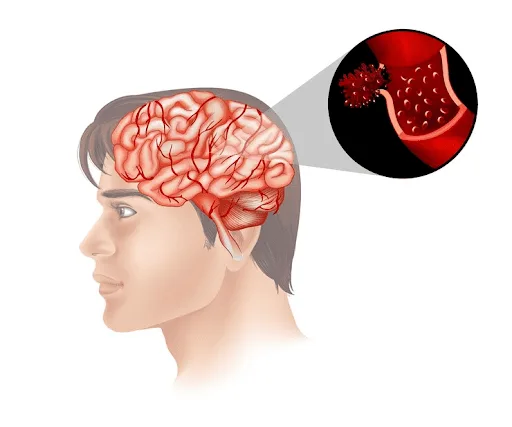
4. Bleeding Or Blood Clot
Blood clots occur in the brain due to blows to the head or repetitive trauma. The surgeon may suggest removing the blood clots with increasing age. Brain repair surgeries for blood clot removal:
- Burr Hole Drainage : The surgeon makes one or more holes in the skull and an incision in the dura. Then, they will drain the clot and suture the incision.
- Craniotomy : The neurosurgeon will open the brain to access the clot, drain the blood, or remove the clot. Afterwards, the surgeon will close the brain.
5. Brain Tumor
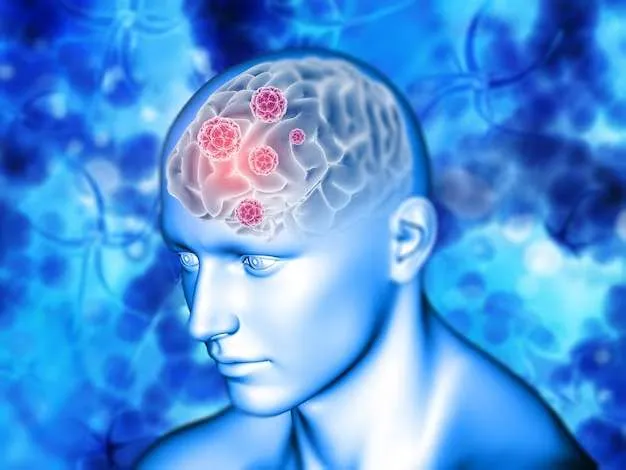
It is a mass of abnormal cells in the brain that can be cancerous or non-cancerous. It is necessary to remove the brain tumor as it can spread to other body areas. Surgery to remove the brain tumor is the most preferred line of treatment. The neurosurgeon will try to remove the tumor as much as possible. The brain tumor’s location determines whether it is possible to remove the tumor entirely without harming the surrounding tissue.
- Minimally Invasive Scarless Brain Surgery: Surgeons perform this procedure to precisely remove the brain tumor with minimal risk of complications. Neurosurgeons execute this surgery with brain imaging specialists for accurate results.
- Stereotactic radiosurgery: It is a highly focused radiation treatment that kills tumor cells in the selected area. Neurosurgeons use radiation technologies such as Gamma Knife or linear accelerators to deliver radiation to the brain tumor.
6. Nerve Irritation
It refers to muscle twitching or pain resulting from a nerve’s compression by another vein or artery.
Microvascular Decompression (MVD) Surgery : Dr GurneetSawhney, a renowned neurosurgeon in India, performs MVD surgery to relieve nerve twitching and pain by inserting a sponge between the nerve and the compressing vessel. This surgery brings relief to patients suffering from trigeminal neuralgia, glossopharyngeal neuralgia, or hemifacial spasm.
7. Damaged Dura Mater
The Dura mater is the thick leathery membrane in the brain. It protects the brain and the spinal cord. Dura mater gets damaged during brain surgery, tumor in growth or severe head injury. Surgeons perform a dura mater repair surgery to resolve the issue.
The neurosurgeon repairs minor dural tears through a microscope, fine needles and clips. In the case of major dural repair, the surgeon will use a patch or a graft harvested from animals or human cadavers. The surgeon has to ensure that the cerebrospinal fluid does not leak into the brain.
8. Pressure after Head Injury
The swelling in the brain leads to pressure after a head injury. This pressure can damage the brain further, leading to complications. Surgeries for pressure after head injury:
- Craniotomy: The surgeon performs a craniotomy to remove a part of the skull, the bone flap, give the required space to the brain and relieve the pressure.
- Craniectomy: It is yet another surgery where the neurosurgeon replaces the removed bone with an artificial one. The patient must wear a helmet to protect the brain during this period.
9. Epilepsy
A patient who has epilepsy experiences seizures frequently. The neurosurgeon recommends surgery if the seizures originate from a single location in the brain and anti-seizure medicines fail to control them. The primary intent of epilepsy surgery is to sever or cut off the interaction of the affected brain area with the rest of the brain and stop seizures entirely.
Before deciding on the type of surgery, the surgeon will examine the patient’s condition and the origin of the seizure in the brain. There are various epilepsy surgeries, viz. resective surgery, laser interstitial thermal therapy (LITT), deep brain stimulation, corpus callosotomy, hemispherectomy, and functional hemispherectomy.
10. Stroke
A stroke occurs when a blockage prevents the blood flow in the artery from reaching the brain. Clots or plaques in the arteries make them narrow and stop the smooth flow of the blood. Plaque buildup in the carotid arteries in the neck region also leads to stroke.
Even though a patient can go for stroke management, there are multiple brain surgery options to treat a stroke patient, such as carotid endarterectomy, intra-arterial thrombolysis, mechanical thrombectomy, and carotid angioplasty being the prominent ones amongst the others.
11. Parkinson’s disease
It leads to difficulty in moving, balancing, and motor coordination. The neurosurgeon may advise a Deep brain stimulation (DBS) surgery to reduce medication dependency and help live better.
In DBS surgery, the neurosurgeon implants a neurostimulator to regulate brain activity with the help of electric pulses. After the deep brain stimulation surgery, the tremors, slowness, stiffness, falls and injuries experienced by the patient reduce to a great extent.
12. Skull Fracture
13. Fluid buildup in the brain
Brain Surgery Cost in Mumbai
The cost of brain surgery in Mumbai can vary depending on factors such as the type of procedure, the complexity of the condition, the hospital chosen, the surgeon’s expertise, and the patient’s overall health.
Patients must discuss the specific details with their medical provider to get a precise estimate and understand the financial aspects of the surgery.
Brain Surgery Survival Rates
The survival rates for brain surgery can vary significantly depending on several factors, including the type of brain condition being treated, the stage and severity of the condition, the patient’s overall health, and the surgical team’s expertise.
Generally, brain surgeries performed for non-life-threatening conditions, such as certain benign brain tumors, may have high survival rates with successful outcomes. On the other hand, brain surgeries for life-threatening conditions, such as brain aneurysms or malignant brain tumors, may have more complex results and lower survival rates.
Remember, survival rates are only one aspect of the overall prognosis, and other factors like quality of life, functional outcomes, and post-operative care are equally important considerations.
Post-Operative Care & Recovery
Recovery after brain surgery is gradual, and the duration varies from patient to patient. However, complete recovery from brain surgery can take weeks to months, depending on individual factors. Patients may experience fatigue, headaches, and mild cognitive challenges during this period.
Following the post-surgery instructions, engaging in rehabilitation therapies, and taking prescribed medications are essential for a smoother and quicker recovery. Regular follow-up appointments with the neurosurgeon are crucial to monitor progress and address any concerns that may arise during recovery.
Why Choose Dr. Gurneet Singh Sawhney for Brain Surgery in Mumbai?
You should choose Dr. Sawhney as your trusted brain surgeon in Mumbai for his:
- Vast Experience: Dr. Gurneet Singh Sawhney has extensive experience in neurosurgery, having performed many complex brain surgeries. His experience has honed his surgical skills and decision-making abilities, allowing him to tailor treatment plans to each patient’s unique needs.
- Expertise in Advanced Technologies: Being at the forefront of medical advancements, Dr Sawhney employs cutting-edge technologies, such as stereotactic navigation, endoscopy, and neuro endovascular techniques, to perform minimally invasive surgeries with greater precision and reduced risks.
- Specialization in Various Brain Conditions: Dr. Sawhney is well-versed in treating a wide range of brain conditions, including brain tumors, aneurysms, epilepsy, vascular malformations, and traumatic brain injuries. His expertise covers adult and pediatric neurosurgery.
- Focus on Safety and Success: Dr. Sawhney places utmost importance on patient safety and surgical success. He discusses the potential risks and benefits with the patients and their families. He considers the least invasive approach that yields the best results.
- High Success Rates: Dr. Sawhney’s track record of successful brain surgeries and positive patient testimonials serve as a testament to his dedication and expertise.
- Caring and Compassionate Approach: Beyond his medical expertise, Dr. Gurneet Sawhney is known for his empathy and compassion towards his patients. He understands the emotional and psychological impact of brain surgery and offers the necessary support to patients and their families.
Frequently Asked Questions
How long does brain surgery take?
The duration of brain surgery varies depending on the complexity of the condition and the type of procedure. It can range from a few to several hours.
How long does a craniotomy take?
A craniotomy, a standard brain surgery, typically takes 3 to 6 hours. However, the actual time may vary based on the specific case.
How long does it take to wake up after brain surgery?
After brain surgery, patients are closely monitored in the recovery room until they regain consciousness. Usually, patients wake up within a few hours to a day after the surgery. However, individual recovery times may vary.
Blogs
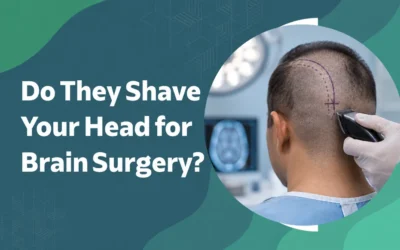
Do They Shave Your Head for Brain Surgery?
Not necessarily. Whether hair is removed during brain surgery depends on the type of surgery, the incision site, and the technique used. Today, shave-free surgery is increasingly preferred and recommended wherever it can be done safely. Many patients have only a patch...
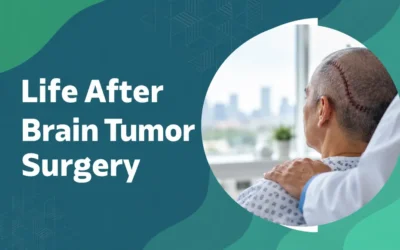
Life After Brain Tumor Surgery: Recovery Timeline
Understanding brain tumours early can help patients make informed decisions about diagnosis and treatment. Timely medical evaluation, personalised treatment, and regular follow-up are key to managing the condition and supporting better outcomes.
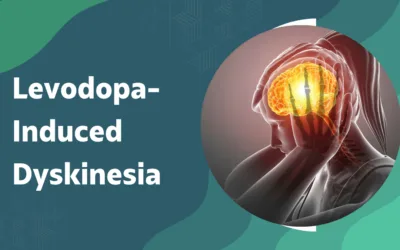
What Causes Levodopa-Induced Dyskinesia in Parkinson’s?
Understanding brain tumours early can help patients make informed decisions about diagnosis and treatment. Timely medical evaluation, personalised treatment, and regular follow-up are key to managing the condition and supporting better outcomes.