
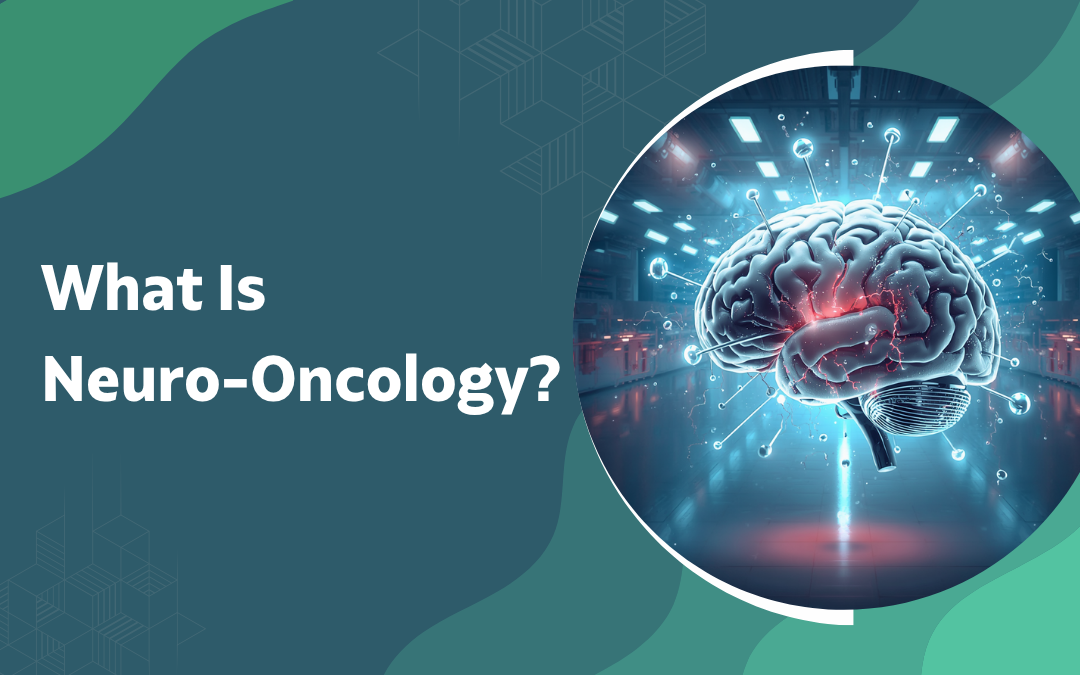
Neuro-oncology is the field that deals with tumours growing in or around the brain, spinal cord, and peripheral nervous system. Some of these are benign and slow-growing. Others are aggressive, fast-moving, and difficult to treat even with the best available therapies. Diagnosis, surgery, radiotherapy, and systemic treatment are all part of it. Where the tumour sits, what it’s made of, and what molecular markers it carries determines the entire treatment approach.
According to Dr. Gurneet Singh Sawhney, a leading neurosurgeon in Mumbai, In neuro-oncology, the surgical goal is maximum safe resection. Removing as much tumour as possible without compromising neurological function determines what adjuvant treatment is viable and how well the patient tolerates it.
Experiencing persistent headaches, seizures, or unexplained neurological changes?
What Types of Brain Tumours Does Neuro-Oncology Treat?
There’s a wide spectrum here. Two patients with a brain tumour diagnosis can have completely different conditions, completely different treatment plans, and completely different outcomes.
Gliomas: The most common primary brain tumours. Glioblastoma multiforme sits at the severe end median survival is 14 to 18 months on standard treatment, and recurrence is nearly universal.
Meningiomas: These grow from the meninges, not the brain tissue itself. Most are benign. When the location allows full removal, surgery resolves the problem. Malignant variants come back more often.
Brain metastases: Secondary tumours from cancer elsewhere lung, breast, melanoma, colorectal. How many lesions there are and whether the primary is under control drives what can be offered.
Rare primary tumours: CNS lymphoma, medulloblastoma, ependymoma, pituitary adenomas. Each behaves differently. Molecular markers like IDH mutation, MGMT methylation, and 1p/19q codeletion now shape treatment decisions in ways a histology report alone never could.
None of these tumours follow a predictable path. Patients with new neurological symptoms should consult brain surgery options to understand when intervention is needed.
How Are Brain Tumours Diagnosed?
Two things have to happen: imaging and tissue. The sequence is always imaging first.
MRI with contrast: The scan that shows where the tumour is, how big it is, how it enhances, and what structures it’s pushing against. Surgeons plan the entire operative approach from this.
CT scan: When someone comes in acutely or can’t get an MRI immediately, CT is first. It finds bleeding, mass effect, and midline shift fast. MRI fills in the detail afterwards.
PET imaging: Not routine. It comes in when there’s a question about whether something is active tumour or post-treatment change. Also used to guide biopsy to the most metabolically active area.
Tissue biopsy: No treatment plan without a tissue diagnosis. Stereotactic biopsy reaches deep or eloquent-area lesions. When open resection is feasible, it gets tissue and removes tumour at the same time. Where vascular pathology sits alongside a brain lesion, brain tumor surgery covers how both findings are assessed and managed.
Molecular analysis on the specimen is now part of standard neuro-oncology diagnosis. Without it the picture isn’t complete.
What Are the Treatment Options in Neuro-Oncology?
Surgery first, if the tumour is operable. What’s achievable at resection sets the stage for everything that follows.
Surgical resection: More tumour out safely means better conditions for radiotherapy and chemotherapy to work. For tumours near speech or motor areas, awake craniotomy lets surgeons test function in real time during the procedure.
Radiotherapy: High-grade gliomas get post-operative radiotherapy as standard care. Sixty grays over thirty fractions alongside temozolomide is what the evidence supports. Stereotactic radiosurgery handles metastases and smaller residual deposits.
Chemotherapy: Temozolomide goes with radiotherapy then runs six more cycles after in glioblastoma. Anaplastic gliomas with 1p/19q codeletion get PCV chemotherapy. CNS lymphoma is treated with high-dose methotrexate-based regimens.
Corticosteroids and supportive care: Dexamethasone knocks down peritumoral swelling quickly. Anticonvulsants come in when seizures are part of the presentation. For tumour-associated epilepsy, managing seizures covers how both conditions are handled alongside oncological care.
Referral timing is the thing patients and families most often get wrong. The surgical window doesn’t stay open indefinitely.
Why Choose Dr. Gurneet Singh Sawhney?
Dr. Gurneet Singh Sawhney is a neurosurgeon with over 18 years of experience, fellowship-trained in functional neurosurgery and epilepsy surgery from Japan. He performs brain tumour resections, awake craniotomies, and skull base surgeries at leading hospitals across Mumbai.
His case volume covers gliomas, meningiomas, pituitary adenomas, and metastatic lesions across all grades and locations. Patients referred early have more surgical options and better functional outcomes after treatment.
What are the treatments?
The three types of treatments for tumours of the central nervous system are as follows- c
- Radiotherapy– Radiotherapy is an effective treatment for central nervous system tumours. It expands endurance and improves the personal satisfaction for patients having a large number of the cerebrum tumours.
- Chemotherapy– Use of chemotherapy, in the disease, can prompt the drawn-out control of many malignancies. A few tumours, like, testicular malignancy of Hodgkin’s infection, might be restored in any event, when they are inescapable. As chemotherapy has severe side effects, it ought to be given under the supervision of a knowledgeable and a best Neurosurgeon.
- Corticosteroids– Corticosteroids (CS) are ordinarily utilized in patients with different neuro-oncologic conditions. CS treatment is needed to control indications identified with expanded intracranial weight (ICP) or peritumoral oedema.
- Neurosurgical Interventions– It is helpful in all issues of central nervous system tumours. It is beneficial for some metastatic tumours. A biopsy generally builds up a conclusive histologic analysis. The part of the medical procedure relies upon the idea of the tumour.
Recently diagnosed with a brain tumour and looking for a specialist opinion?
Frequently Asked Questions
What is neuro-oncology?
Neuro-oncology is the subspecialty dealing with tumours of the brain, spinal cord, and peripheral nervous system, covering diagnosis, surgical management, radiotherapy, and chemotherapy.
What are the most common types of brain tumours?
Glioblastoma multiforme, astrocytoma, meningioma, and brain metastases from systemic cancers are the most frequently encountered tumours in neuro-oncology practice.
How is a brain tumour diagnosed?
MRI with contrast is the primary imaging modality. Tissue diagnosis is obtained via surgical biopsy or resection. PET and MR spectroscopy provide additional metabolic information.
What is the standard treatment for glioblastoma?
The Stupp protocol is standard: maximal safe surgical resection followed by concurrent radiotherapy and temozolomide chemotherapy, then adjuvant temozolomide for six cycles.
Can brain tumours be cured with surgery alone?
Some benign tumours like meningiomas can be cured with complete surgical resection. Malignant gliomas require multimodal treatment and are not curable with surgery alone.
Disclaimer: The information shared in this content is for educational purposes only and not for promotional use.