
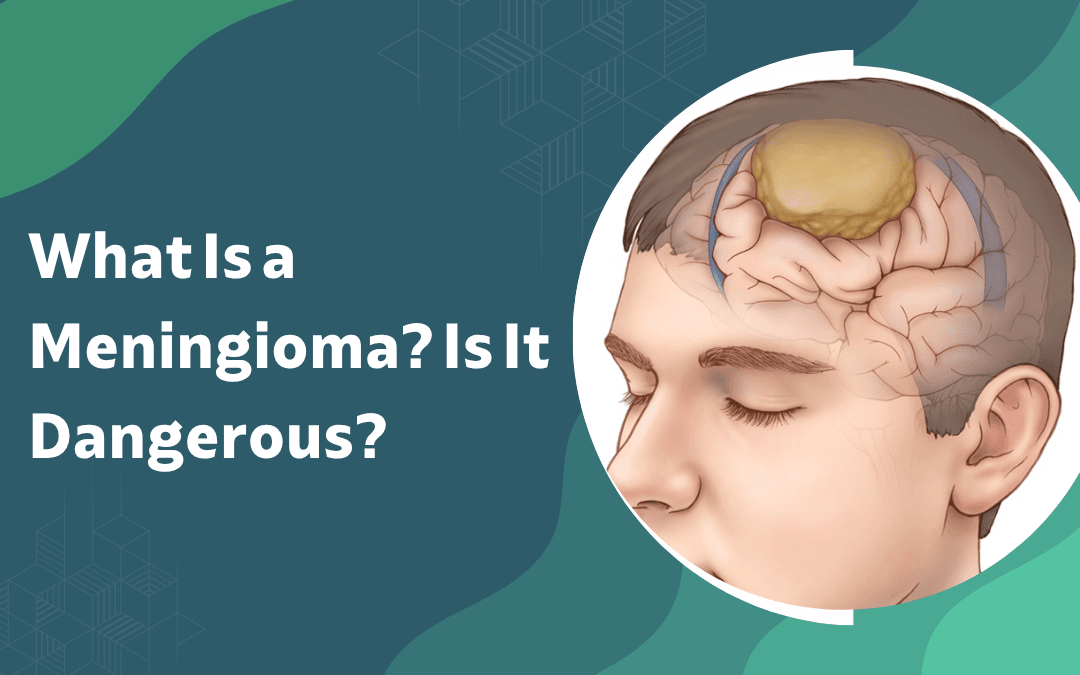
What Is a Meningioma and Is It Dangerous?
Meningiomas are tumours that arise from the meninges, the three-layered membrane covering the brain and spinal cord, making them the most common type of primary intracranial tumour in adults. Most are benign and grow slowly, but their location and eventual size...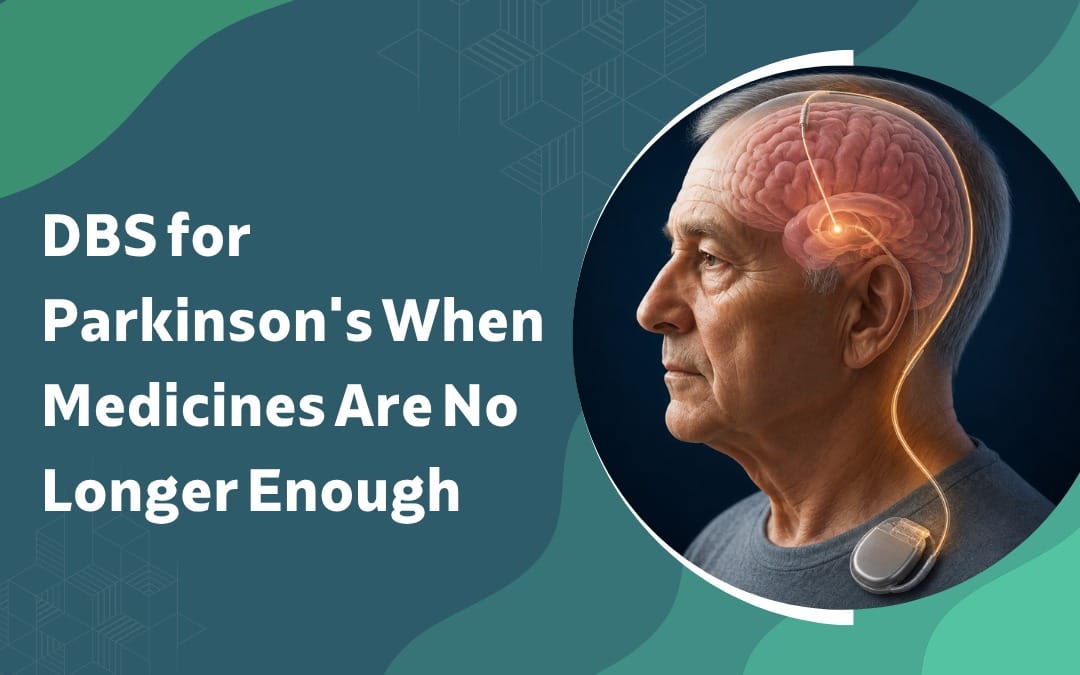
When Parkinson’s Medicines Are No Longer Enough: Should You Consider DBS?
Parkinson’s medications manage symptoms effectively in the early years, but motor fluctuations, wearing-off episodes, and dyskinesia eventually reduce their reliability in a significant proportion of patients. Deep brain stimulation is a surgical intervention...
Why a Second Opinion Matters After a Brain Tumour Diagnosis?
A second opinion after a brain tumour diagnosis isn’t a sign of distrust it’s a standard step in neurooncology that can alter the treatment plan, surgical approach, and in some cases the diagnosis itself. Brain tumour grading errors, misclassified...