

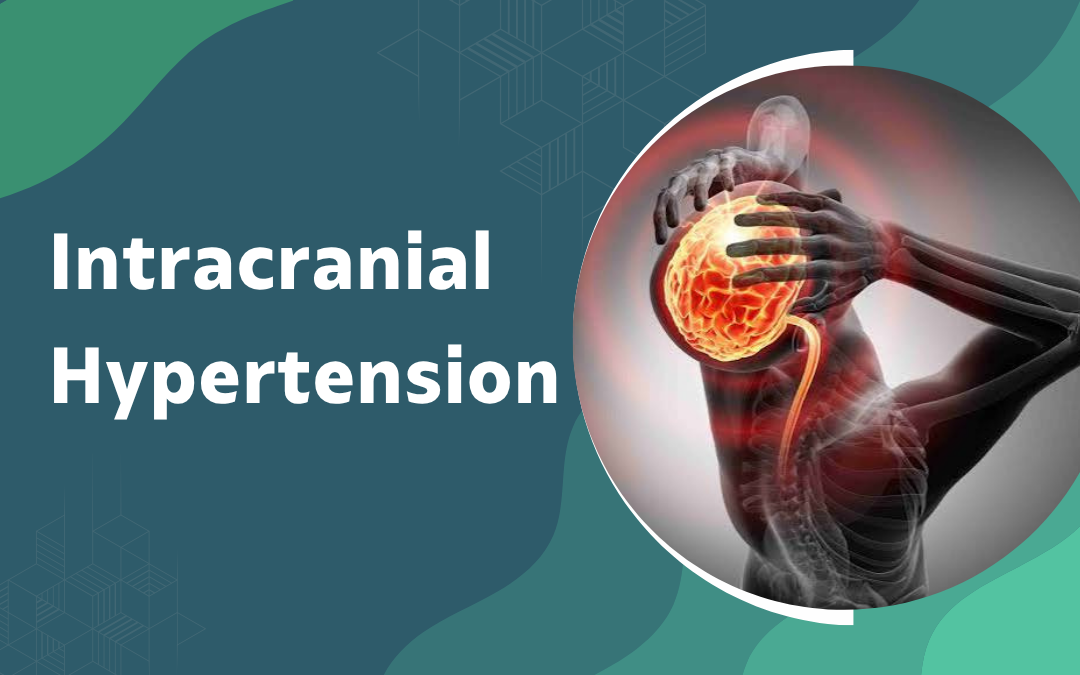
Intracranial hypertension. Raised pressure inside the skull that has no room to give. Brain tissue swells, CSF backs up, blood volume rises, and the pressure climbs with it. Trauma, haemorrhage, infection, or no identifiable cause at all. The damage it does to the optic nerves, to the brainstem, to consciousness, follows the same pattern regardless of what started it. Fix the cause when you can find one. Control the pressure directly when you can’t.
According to Dr. Gurneet Singh Sawhney, a leading neurosurgeon in Mumbai, two things set the urgency: how fast the pressure is climbing, and what’s driving it. An idiopathic case building over months and an acute traumatic bleed are not the same emergency, even though both show up as raised ICP on the monitor.
Progressive headache with visual disturbance or papilloedema that needs specialist review?
What Causes Intracranial Hypertension and How Does It Present?
A wide range of causes. One shared result. Pressure beyond what a fixed skull can accommodate.
Secondary causes: tumours, haematomas, subarachnoid haemorrhage, hydrocephalus, venous sinus thrombosis. Different mechanisms. Same outcome: ICP goes up and the brain pays for it.
Idiopathic (IIH): no structural cause found. Mostly young obese women. Headache, visual symptoms, pulsatile tinnitus. The diagnosis of exclusion that still needs urgent management.
Symptoms: the morning headache that worsens with coughing, transient visual obscurations, papilloedema on the fundus and that sixth nerve palsy producing horizontal double vision form the recognisable cluster
Acute crisis: Cushing’s triad, hypertension, bradycardia and irregular breathing, is the late warning sign. Herniation is close at that point. No room for delay.
Raised pressure with papilloedema or new neurological deficit needs imaging first. Specialist assessment right after. Brain surgery to drain a haematoma, decompress the skull or place a drain is often the first intervention in acute presentations.
How Is Intracranial Hypertension Treated?
Treatment follows the cause and the speed. Secondary causes get fixed. Idiopathic cases run through medical options first, surgery when those stop working.
Underlying cause: remove the tumour, drain the haematoma, shunt the hydrocephalus. When the cause is fixable, fixing it is always the first move and usually the most effective one.
Medical management: acetazolamide is first-line for IIH. Weight loss has stronger long-term evidence than any drug. Both matter. Neither is fast enough when vision is already threatened.
CSF diversion: a VP or LP shunt provides continuous drainage when medication has failed or when the optic nerves need pressure off them faster than tablets can deliver
Acute ICP control: mannitol, hypertonic saline, controlled ventilation, head elevation. When none of that holds the pressure down, decompressive craniectomy is the last resort.
The window for protecting vision closes fast when pressure is rising unchecked. This guide on types of malignant brain tumours covers the most common secondary cause of raised intracranial pressure.
Why Choose Dr. Gurneet Singh Sawhney?
Dr. Gurneet Singh Sawhney trained in Japan and has spent over 18 years managing raised intracranial pressure across its full range, from emergency decompression of acute traumatic brain injury to surgical CSF diversion for refractory idiopathic cases that have failed everything else.
Patients reach the surgical conversation when medication has run out of road. By then the vision may already be narrowing. That’s the wrong time to be finding a specialist. The right time is before the optic nerve has been under sustained pressure for months.
Frequently Asked Questions
What is normal intracranial pressure?
Normal ICP in adults ranges from 7 to 15 mmHg in the supine position.
Is idiopathic intracranial hypertension the same as a brain tumour?
No, IIH involves raised pressure without any structural lesion or identifiable cause.
Can intracranial hypertension cause permanent vision loss?
Yes, untreated papilloedema from sustained raised ICP can cause permanent visual impairment.
Is a lumbar puncture used to treat intracranial hypertension?
Yes, therapeutic lumbar puncture provides temporary relief by draining cerebrospinal fluid.
Disclaimer: The information shared in this content is for educational purposes only and not for promotional use.