
Can Headaches Be a Sign of a Brain Tumour?
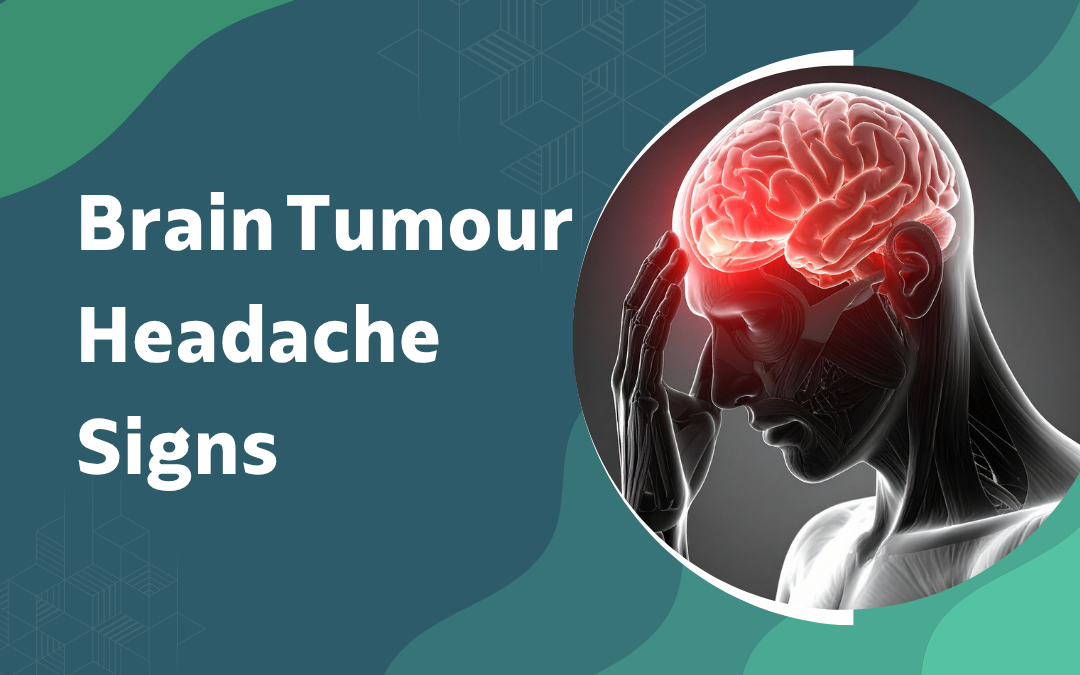
Headaches can be a sign of a brain tumour, though they are far more often caused by tension, migraine or other benign conditions. What distinguishes a brain tumour headache is not the pain itself but the pattern: progressive worsening over weeks, worse in the morning,...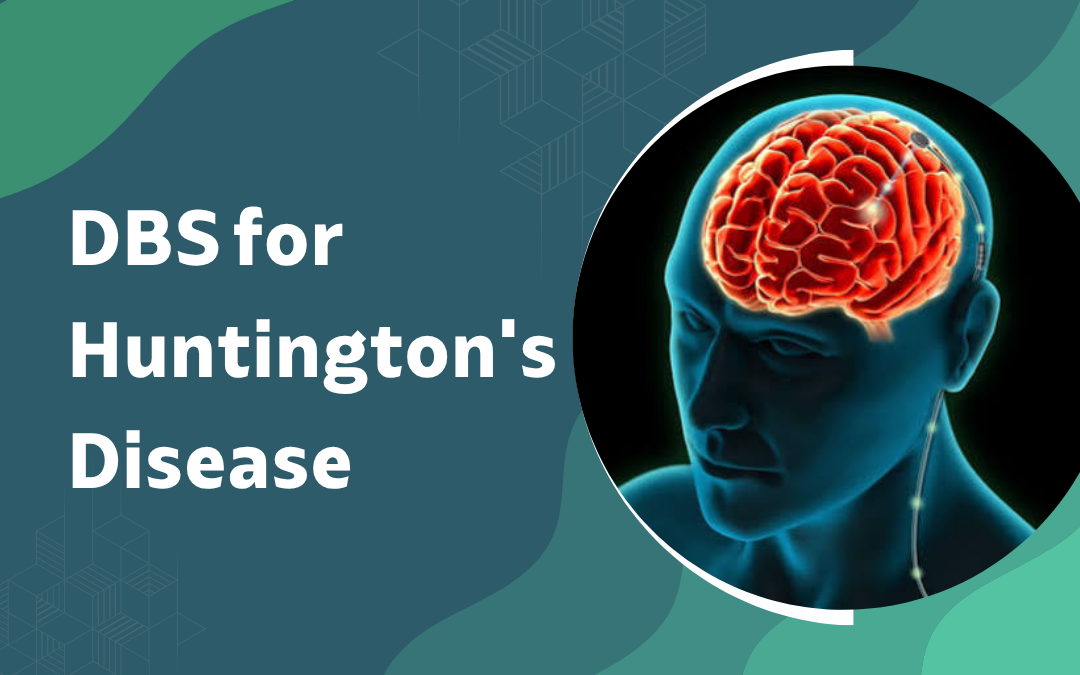
DBS for Huntington’s Disease: Does It Work?
DBS can reduce chorea in selected Huntington’s disease patients, but that is the limit of what it offers. It does not slow neurodegeneration or address cognitive decline. In patients with existing cognitive impairment, it may worsen it. The evidence base is...
Can a Spinal Cord Injury Cause Paralysis Permanently?
A spinal cord injury can cause permanent paralysis. Whether it does depends on one thing above everything else: how complete the damage is. Complete injuries, where nothing gets through below the injury site, carry the highest risk of lasting paralysis. Incomplete...