

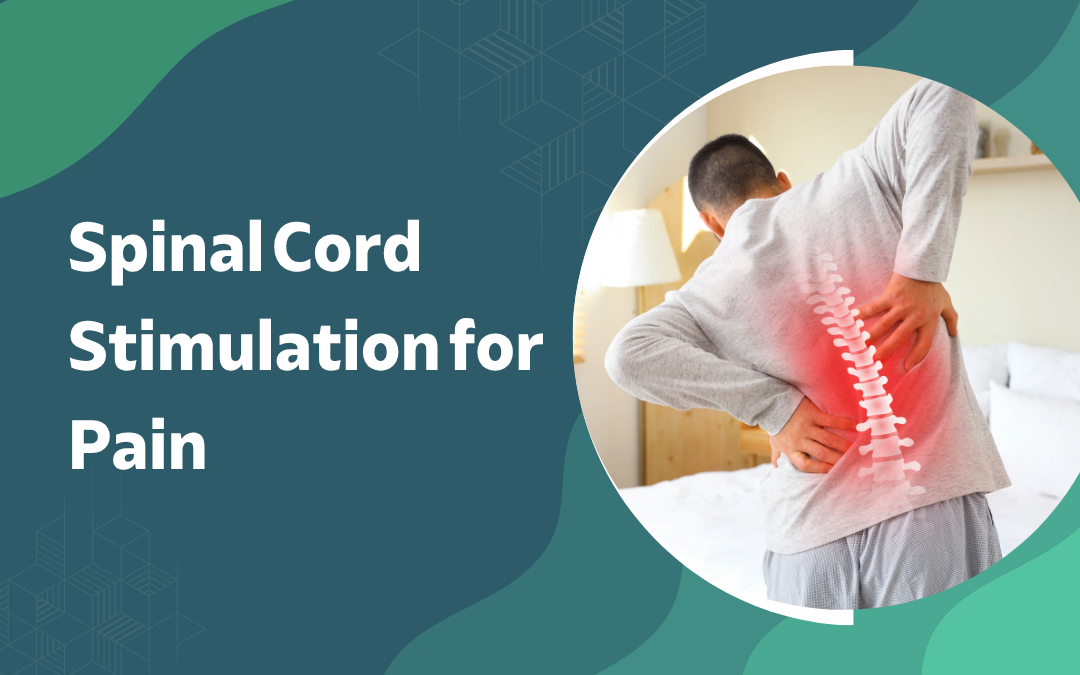
For the right patient, yes. Spinal cord stimulation can cut chronic back and leg pain by half or more. It isn’t magic, and it isn’t for everyone. A small implanted device sends mild electrical pulses to the spinal cord and scrambles the pain signals before they reach the brain. It works best for nerve-type pain, and for backs that surgery didn’t fully fix. Best part: you trial it before committing to anything permanent.
According to Dr. Gurneet Singh Sawhney, a leading spine specialist in mumbai, the patients who do best understand from day one that this controls the pain, it doesn’t cure the back. And the trial protects them, no one commits to an implant until they’ve felt for themselves whether it works.
Pain lingering long after back surgery?
How Does Spinal Cord Stimulation Ease Pain?
A thin lead near the spinal cord delivers gentle pulses that interrupt pain before the brain registers it.
Signals: the pulses jam the pain messages travelling up the cord, so what reaches the brain is dialled right down
Tingling: older systems swap pain for a light tingle, while newer high-frequency ones quiet it with no sensation at all
Adjustable: the device is programmed from outside and tweaked over time, so the settings follow the pain rather than staying fixed
Reversible: nothing gets cut or fused, and the whole thing can be switched off or removed if it ever stops earning its place
And because it’s a device, not a repair, it treats the pain you’re left with rather than the wear in the spine itself. That’s the whole idea behind spinal cord stimulation.
Who Actually Benefits From It?
Stimulation suits specific kinds of chronic pain, not every aching back.
Nerve pain: burning, shooting leg or back pain of the nerve type responds far better than a dull mechanical ache
Failed surgery: when spine surgery leaves pain behind, stimulation is one of the better options still on the table
Trial first: a few days with a temporary lead shows who’ll benefit, and only good responders move on to a permanent implant
Realistic: success here means meaningful relief and less medication rather than zero pain, and getting that clear early matters as much as the device itself
So it’s not a first move, and it’s no substitute for sorting out a fixable problem. This piece on when spine surgery is necessary helps work out which camp you’re in.
Why Choose Dr. Gurneet Singh Sawhney?
Dr. Gurneet Singh Sawhney trained in functional and pain neurosurgery and has more than 18 years placing and programming spinal cord stimulators, often for patients still dogged by pain after earlier operations. Picking the right candidate and running a proper trial is half the result here.
Patients who’d stopped sleeping or working through the pain sometimes get a real chunk of their lives back. Not all of them, and that’s the honest part. The trial weeds out who won’t benefit before any implant goes in. No guessing.
Frequently Asked Questions
Does spinal cord stimulation cure back pain?
No, it manages the pain rather than fixing the underlying spinal problem.
How do I know if it'll work for me?
A short trial with a temporary lead shows your response before any implant.
Is spinal cord stimulation reversible?
Yes, the device can be switched off or removed without fusing anything.
What pain responds best to stimulation?
Nerve-type leg and back pain, especially after failed spine surgery, responds best.
Disclaimer: The information shared in this content is for educational purposes only and not for promotional use.