
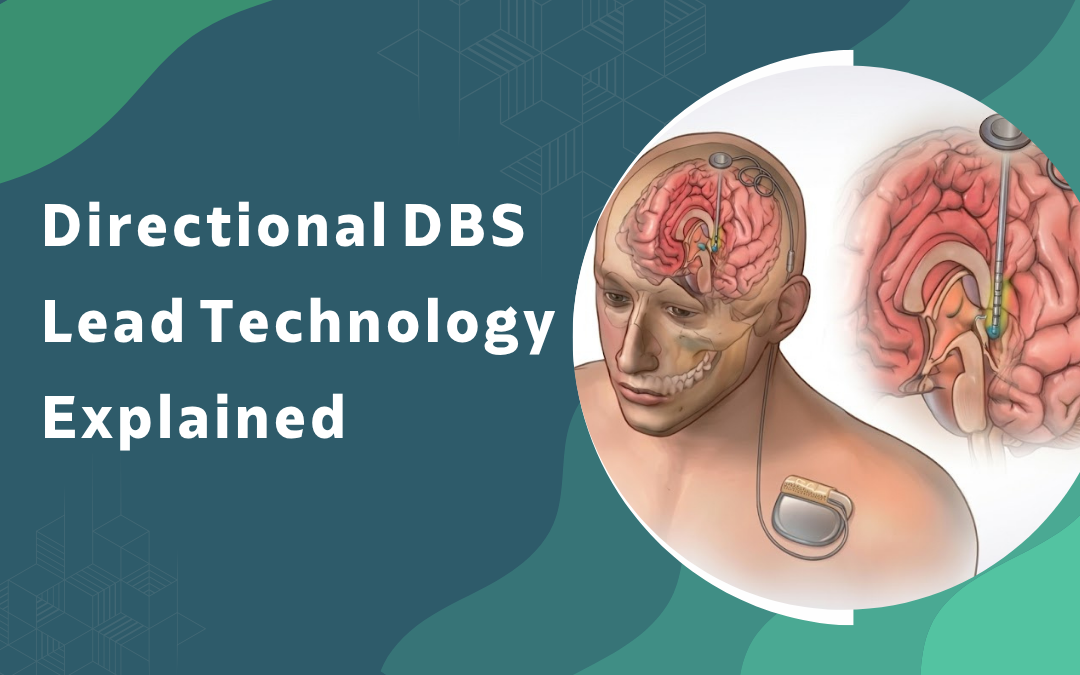
Directional DBS lead technology is an advanced form of neurostimulation that uses segmented electrodes to shape and steer the electrical field toward specific brain structures, rather than delivering stimulation in a full 360-degree circle. Conventional leads create a uniform “halo” of current around the electrode, with no control over which direction the stimulation travels. Directional leads split each contact into smaller segments, so clinicians can target the therapeutic “sweet spot” precisely while avoiding regions that trigger speech, vision, or motor side effects.
According to Dr. Gurneet Singh Sawhney, one of the leading experts in deep brain stimulation surgery in Mumbai, Directional leads have changed how we program patients post-surgery, because we can now correct small lead placement variations without taking the patient back to the operating room.
How Does a Directional DBS Lead Actually Work?
Directional leads carry segmented contacts arranged in rows around the lead body. Each segment can be activated independently, so current flows toward one side of the brain target instead of spreading equally in all directions.
- Segments: Each ring is divided into three smaller contacts, giving the programmer eight to sixteen stimulation zones on a single lead.
- Steering: Current is shaped to avoid nearby fibre tracts that trigger speech, vision, or muscle pulling side effects.
- Window: Patients usually tolerate higher stimulation amplitudes before side effects appear, so symptom relief deepens.
- Programming: Side effects can be corrected in clinic with software changes, no second surgery needed.
For patients with Parkinson’s disease, dystonia, or essential tremor, this control is the difference between functional relief and a compromise. Many patients seeking Parkinson’s disease treatment now ask specifically for directional systems.
What Are the Real Differences Between Directional and Conventional Leads?
Both lead types target the same brain nuclei and use the same implanted pulse generator. The change sits at the lead tip and in how programmers shape the stimulation field.
|
Feature |
Conventional Lead |
Directional Lead |
|
Contact shape |
Ring, full circle |
Segmented, three per row |
|
Current spread |
360 degrees, fixed |
Steerable, focused zones |
|
Side effect control |
Amplitude reduction only |
Direction change in software |
|
Therapeutic window |
Narrower |
Wider in most cases |
|
Programming time |
Shorter initial visit |
Longer, more options to test |
A 2022 multicentre trial published on PubMed found directional stimulation widened the therapeutic window by roughly 41 percent compared with omnidirectional stimulation in Parkinson’s patients. Read more on advances in functional neurosurgery.
Why Choose Dr. Gurneet Singh Sawhney?
Dr. Gurneet Singh Sawhney is a senior neurosurgeon with 18+ years of experience in functional neurosurgery, deep brain stimulation, and movement disorder surgery. His training spans complex DBS targeting for Parkinson’s disease, dystonia, essential tremor, and treatment-resistant OCD.
Patients are programmed individually, not by template. Side effects are addressed in clinic, not dismissed as part of the package.
FAQ's
Are directional DBS leads safe for long-term use?
Yes, they use the same biocompatible materials as conventional leads with no added long-term risk.
Can a conventional lead be replaced with a directional one?
Replacement is possible but requires a second surgery, so most centres do this only when symptom control fails.
Do directional leads cost more than conventional ones?
The hardware is more expensive, though pricing varies by manufacturer, region, and insurance coverage.
Is programming a directional lead more difficult?
Programming takes longer because there are more contact combinations to test and refine.