

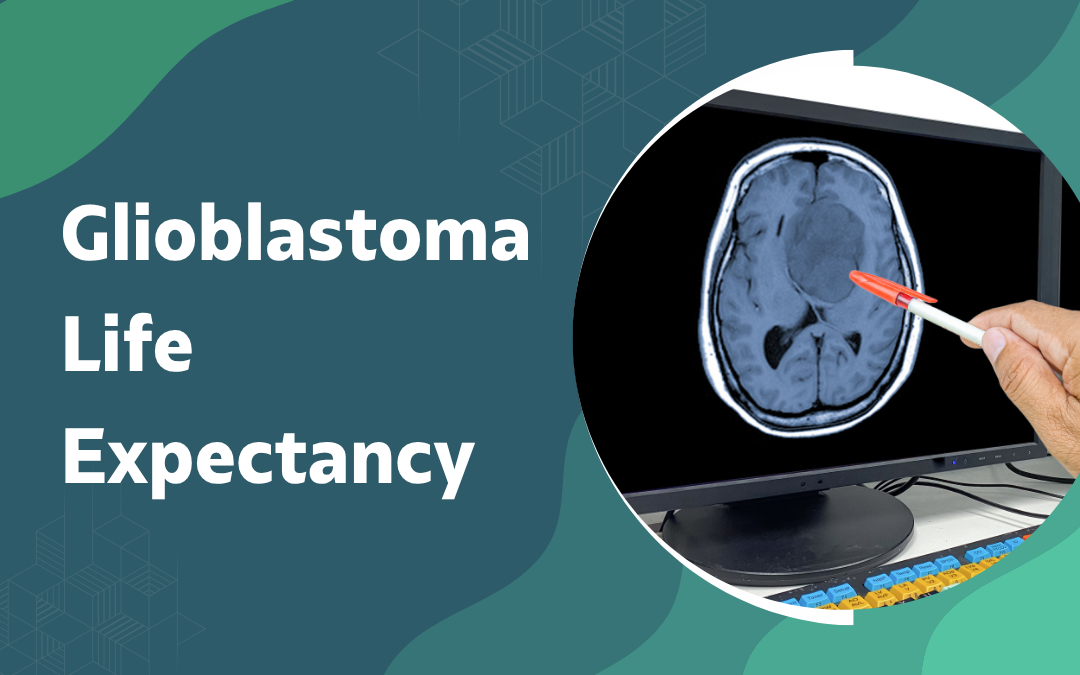
Glioblastoma is the most aggressive primary brain tumour there is. Grade 4. Grows fast, infiltrates surrounding brain, and almost always returns. Median survival with the standard treatment package, maximal safe resection, radiotherapy and temozolomide, is around 14 to 16 months. Some patients do better. MGMT methylation, younger age and a near-complete resection all shift that figure upward. A small minority reach five years. But most don’t. The honest framing is serious prognosis, real treatment options, and outcomes that vary more than the median suggests.
According to Dr. Gurneet Singh Sawhney, a leading Neurosurgeon in Mumbai, the median figure is real but it isn’t a sentence, because the patients who do well tend to share specific features and those features are identifiable before surgery. MGMT methylation, a tumour that can be substantially removed, a patient still in reasonable health, these shift the numbers meaningfully.
brain tumour diagnosis and need to understand your options?
What Is Glioblastoma and How Does It Behave?
It’s a grade 4 glial tumour that infiltrates rather than sitting behind a clean border. That’s what makes it so difficult.
Grade: WHO grade 4 means the most aggressive classification, rapid cell division, areas of dead tissue at the centre, and abnormal blood vessels feeding its growth
Infiltration: the tumour sends extensions into surrounding brain that no scan can fully detect and no surgeon can entirely follow, which is why complete removal is not achievable
Location: it most commonly develops in the cerebral hemispheres, affecting whatever function the occupied region controls
Recurrence: essentially universal, treatment slows and delays it, but glioblastoma almost invariably returns
And because it infiltrates rather than displaces, the aim of surgery is not cure but maximal safe removal of visible disease. That remains the foundation of brain tumor surgery for glioblastoma.
What Affects Life Expectancy in Glioblastoma?
The median is an average across a wide population. Several factors pull individual outcomes significantly above or below it.
MGMT: methylation of the MGMT promoter makes the tumour more responsive to temozolomide, and methylated patients consistently outlive unmethylated ones
Resection: the more tumour removed safely during brain surgery, the longer the interval before recurrence, provided eloquent cortex is preserved
Fitness: younger patients with a good performance status consistently achieve better outcomes than older or frailer patients with the same tumour
Stupp protocol: completing the full course of concurrent chemoradiation followed by adjuvant temozolomide is associated with the best available survival data for newly diagnosed GBM
So prognosis is serious but not uniform, and individual features matter more than population statistics. This read on benign vs malignant brain tumours sets the broader context for why tumour grade drives such different conversations.
Why Choose Dr. Gurneet Singh Sawhney?
Dr. Gurneet Singh Sawhney is a cerebral tumour surgeon with fellowship training from Japan and over 18 years of experience in brain tumour surgery, glioblastoma among the most demanding cases he manages. His expertise spans maximal safe resection and intraoperative technique designed to protect function while removing as much tumour as safely possible.
Families facing a GBM diagnosis need two things: honesty about the prognosis and a clear treatment plan. Neither requires the other to be compromised. The operation is one part of it. Chemotherapy, radiotherapy and close follow-up are the rest.
Frequently Asked Questions
What is the life expectancy with glioblastoma?
Median survival is around 14 to 16 months with surgery, radiotherapy and temozolomide.
Can glioblastoma be cured?
No, it is not currently curable but treatment extends survival and maintains quality of life.
What is the Stupp protocol for glioblastoma?
Surgery followed by concurrent radiotherapy and temozolomide, then adjuvant temozolomide for six months.
Does MGMT methylation improve survival in glioblastoma?
Yes, MGMT methylation improves response to temozolomide and is associated with longer survival.
Disclaimer: The information shared in this content is for educational purposes only and not for promotional use.