

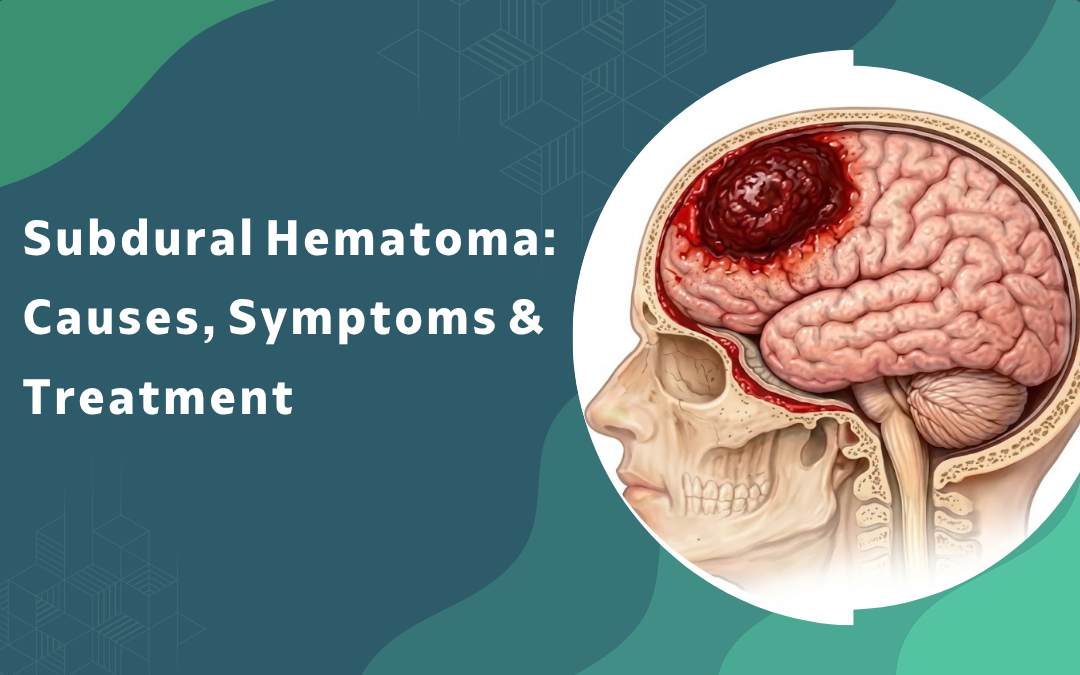
A subdural hematoma is a serious medical condition where blood collects between the brain and its outer protective layer, the dura mater, usually following a head injury, fall, or use of blood thinner medication. Common symptoms include persistent headache, confusion, weakness, dizziness, and vomiting. Mild cases may be managed through close observation, while severe cases require prompt subdural hematoma surgery to relieve pressure on the brain. Early diagnosis and timely treatment significantly improve outcomes.
In subdural hematoma, the clock matters more than the clot. The earlier we drain it, the better the recovery, even when the bleed looks small on the first scan. Dr. Gurneet Singh Sawhney, Neurosurgeon in Mumbai
Caught early, most are fixable. India has every option you’d want, surgical or otherwise. Here’s the rundown what causes it, what it looks like, how it’s treated.
Worried about head injury symptoms or sudden neurological changes?
What are the causes of subdural hematoma?
The major causes of subdural hematoma include head injury from falls, road accidents, sports impact, or physical assault, with the risk significantly higher in patients taking blood thinners such as aspirin or warfarin or those with underlying bleeding disorders. Older adults are particularly vulnerable because age-related brain shrinkage stretches the bridging veins, making them more likely to tear even with minor head impact.
Other contributing factors include chronic alcohol use, repeated head trauma in contact sports, and shaken baby syndrome in infants. Early consultation with a subdural hematoma specialist significantly improves recovery outcomes.
What are the symptoms of subdural hematoma?
Symptoms come down to one thing speed of the bleed. Fast bleed after a hard hit? Person can collapse on the spot. Slow bleed? Weeks may pass before anything shows.
Things to watch out for:
- A headache that won’t quit, only worsens
- Confusion, memory slips, can’t focus
- Slurred words, sudden mood swings
- Dizzy, off-balance, walking funny
- Nausea, vomiting
- Weakness or numbness on one side
- Drowsy, blurred vision, orseizures
Spotted any of these after a head injury? Don’t sleep on it. Get to a neurosurgeon. Today.
How is subdural hematoma diagnosed?
First test? A non-contrast CT scan. Quick, sharp, shows fresh bleeding and clot size right away. MRI comes in for the smaller stuff, the older stuff, the chronic bleeds CT might miss.
Sometimes, doctors throw in a cerebral angiography to rule out a vessel issue. Thin catheter goes in through the groin artery, threads up to the brain. Contrast dye lights up the blood flow on X-ray. That’s it.
Imaging plus a hands-on neurological exam alertness, reflexes, motor checks. Most centres use the Glasgow Coma Scale to score it. Once it’s confirmed, urgent referral for brain surgery in Mumbai is usually next.
What are the treatment options available in India to treat subdural hematoma?
Depends on the bleed size, the symptoms, the patient’s overall shape. Tiny clot, no symptoms? Just keep an eye on it with repeat scans. Bigger? Symptomatic? Time to drain it and bring the pressure down.
What neurosurgeons in India usually go with:
Procedure | When It Is Used | What Happens |
Burr Hole Drainage | Chronic or liquefied clots | Tiny holes drilled in the skull. Blood drained out through a thin tube. |
Craniotomy | Acute, large, or solid clots | A piece of skull comes off for a bit, hematoma cleared, then put back. |
Severe brain swelling | Skull piece stays off for weeks. Brain gets room to swell without damage. | |
Medical Management | Minor or stable bleeds | Anti-seizure drugs, BP control, reversing blood thinners. |
Anti-epileptics, mannitol, corticosteroids these usually ride along with surgery to manage skull pressure and stop things from getting worse.
Speed is the whole game. Wait too long and the bleed grows. So does the chance of permanent damage. Drain it fast and recovery looks a whole lot better. For trickier cases, functional neurosurgery in Mumbai brings sharper surgical precision to the table.
Younger ones bounce back quicker. Older patients? Longer rehab. And rebleed risk runs higher if they’re still on long-term blood thinners.
Why Choose Dr. Gurneet Singh Sawhney for Subdural Hematoma Treatment?
Dr. Gurneet Singh Sawhney is among India’s leading neurosurgeons, with over fifteen years of experience handling brain trauma, subdural hematoma drainage, complex skull surgeries, and emergency neurological cases. His work covers the full range of modern neurosurgical procedures, burr hole drainage, craniotomy, decompressive surgery, and post-trauma rehabilitation, all guided by precision imaging and minimally invasive techniques wherever possible.
Every patient gets a thorough neurological assessment, clear pre-surgical counselling, and a structured recovery plan that covers ICU care, physiotherapy, and long-term follow-up. He practises at Fortis Hospital, Mulund, and is associated with major Indian and international neurosurgical bodies, ensuring care that meets global clinical standards. To consult the neurosurgeon in India for subdural hematoma evaluation or emergency assessment.
Is a family member experiencing confusion, severe headaches, or weakness after a head injury?
FAQ's
Can a small subdural hematoma heal on its own?
Yes. Very small chronic bleeds in stable patients sometimes clear up with rest, monitoring, and stopping blood thinners under doctor supervision.
How long does recovery take after subdural hematoma surgery?
Most patients head home in 5 to 7 days. Full neurological recovery? Usually 4 to 12 weeks, depending on age and clot size.
Is subdural hematoma always caused by a fall?
No. In older adults or anyone on blood thinners, even a hard sneeze or mild jolt can tear a bridging vein.
What is the survival rate for subdural hematoma?
Comes down to age, clot size, and how fast surgery happens. Early-treated patients under 65 see survival rates above 80%.
When should I rush to a neurosurgeon after a head injury?
Any head injury followed by vomiting, confusion, weakness, slurred speech, or a worsening headache needs same-day neurosurgical review.