

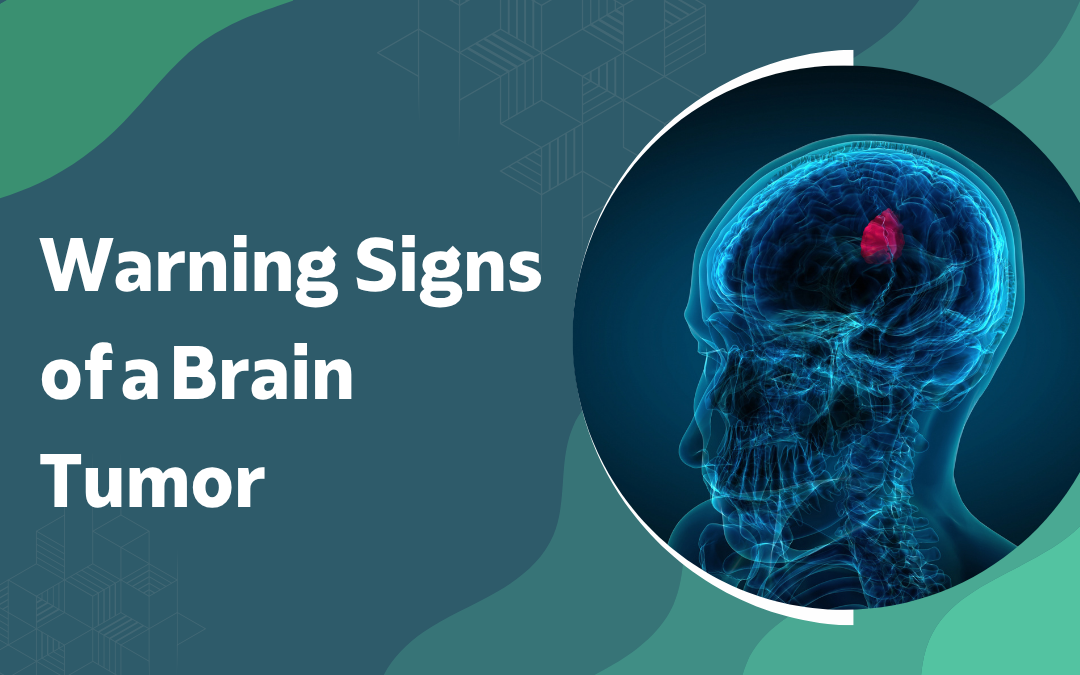
Brain tumors produce symptoms by pressing on or displacing surrounding tissue, disrupting the normal electrical and chemical environment of the brain. The specific signs depend on the tumor’s location, size, and rate of growth. A slow-growing tumor in a non-eloquent area may remain silent for months, while a fast-growing one near motor or language regions can cause rapid, obvious deficits. Common presentations include persistent headaches, new-onset seizures, progressive weakness on one side of the body, vision or speech changes, and unexplained cognitive decline.
According to Dr. Gurneet Singh Sawhney, a specialist in Brain Tumor Surgery in Mumbai, When symptoms like new seizures or headaches that are consistently worst in the morning appear together, the brain needs to be imaged without delay the pattern of symptoms often tells us exactly where to look.
Noticing symptoms that don’t resolve on their own?
What Neurological Symptoms Can a Brain Tumor Cause?
Brain tumors disrupt function depending on which region they compress or infiltrate.
Seizures: New-onset seizures in an adult with no prior history are a red flag, and roughly one-third of brain tumor patients report a seizure before any formal diagnosis is made the electrical disruption can produce focal limb jerking, staring spells, or full convulsions.
Headaches: Tumor-related headaches are typically worst in the morning because lying flat overnight increases intracranial pressure, and they’re often accompanied by nausea, vomiting, or a change in vision that distinguishes them from ordinary tension headaches.
Vision changes: A tumor pressing on the optic pathways can cause double vision, blurring, or a progressive field loss that the patient doesn’t consciously register until they start bumping into objects on one side; this bitemporal or homonymous pattern points directly to the tumor’s anatomical location.
Speech problems: Tumors in the dominant hemisphere’s language areas produce difficulty finding words, naming objects, or understanding spoken language, and this isn’t a subtle fatigue-related lapse it’s a consistent, progressive deficit that gets worse over days to weeks.
Early recognition of these symptoms can determine whether surgery is performed electively or as an emergency. Learn more about brain surgery and what it involves.
Which Brain Tumor Symptoms Are Easily Missed?
Some signs don’t look neurological at first, which is why diagnosis gets delayed.
Personality shifts: Frontal lobe tumors can alter judgment, impulse control, and emotional regulation in ways that families notice long before the patient does, sometimes leading to a psychiatric referral before a scan is even considered.
Cognitive slowing: A subtle but consistent drop in processing speed, memory, or concentration that doesn’t match the person’s baseline is worth investigating, especially when it progresses over weeks rather than fluctuating day to day.
One-sided weakness: Arm or leg clumsiness, a dragging foot, or difficulty with fine motor tasks can develop so gradually that it’s mistaken for musculoskeletal pain until the neurological pattern becomes undeniable.
Hearing disturbance: Unilateral hearing loss or a persistent ringing in one ear, particularly without any obvious cause like noise exposure, can reflect a tumor near the auditory nerve or cerebellopontine angle and seizure treatment is sometimes the first intervention when auditory symptoms trigger an episode.
These quieter symptoms don’t present as dramatically as a seizure, but they often carry just as much diagnostic weight.
Which Brain Tumor Symptoms Need Immediate Attention?
Not all brain tumor symptoms carry the same urgency. Some combinations demand same-day emergency evaluation.
Sudden severe headache: A headache that reaches peak intensity within seconds and is unlike anything experienced before needs emergency imaging immediately, as it can indicate acute raised intracranial pressure or hemorrhage into a tumor.
New seizure with no prior history: Any first-ever seizure in an adult without a known epilepsy diagnosis is a neurological emergency until a brain lesion is excluded by imaging, and it shouldn’t be attributed to stress or dehydration without a scan.
Rapid speech or motor loss: Progressive inability to speak, understand language, or move a limb over hours to days is an accelerating deficit that signals either a fast-growing high-grade tumor or hemorrhage and can’t be managed on a watch-and-wait basis.
Sudden vision loss or double vision: Acute-onset diplopia or visual field loss that isn’t explained by an eye examination points to a posterior fossa or optic pathway lesion and warrants urgent neuroimaging the same day.
Delayed presentation at this stage directly affects surgical outcomes and the range of treatment options available. This overview on thunderclap headache and brain emergencies explains the overlap with other acute brain conditions.
Why Choose Dr. Gurneet Singh Sawhney?
Dr. Gurneet Singh Sawhney is a neurosurgeon with fellowship training in complex cranial and skull base surgery and over 18 years of experience performing brain tumor resections, awake craniotomies, and minimally invasive approaches for tumors in functionally critical areas. His case volume spans gliomas, meningiomas, pituitary adenomas, and metastatic brain tumors across all grades.
Patients who get an accurate diagnosis and reach the right surgical team early have significantly better functional outcomes. That window is real, and it closes.
Had a first-ever seizure or waking headache that keeps coming back?
Frequently Asked Questions
What are the early warning signs of a brain tumor?
Persistent morning headaches, new-onset seizures, progressive weakness, vision loss, or speech changes are the primary early signs.
Can a brain tumor cause personality changes?
Yes, frontal lobe tumors can alter mood, judgment, and behavior without any obvious physical symptoms.
Is a morning headache always a sign of a brain tumor?
Not always, but headaches worst on waking that come with nausea or neurological changes need urgent investigation.
When should someone see a neurosurgeon for these symptoms?
New-onset seizures, progressive focal deficits, or headaches with neurological features all warrant an urgent neurosurgical consultation.
Does every brain tumor require surgery?
Treatment depends on type, grade, and location, but surgical resection is the primary approach for most accessible tumors.
Disclaimer: The information shared in this content is for educational purposes only and not for promotional use.