

Blogs
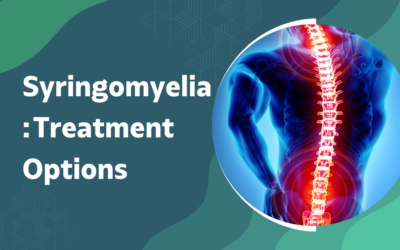
What Is Syringomyelia and Can It Be Treated?
Syringomyelia is a fluid-filled cavity inside the spinal cord. Not around it. Inside it. It forms because cerebrospinal fluid can't circulate properly, so pressure builds and the fluid carves out a space in the cord itself. Over time that space grows. The nerve fibres...
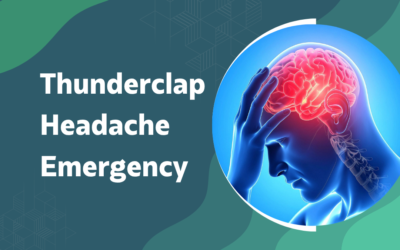
Is a Thunderclap Headache a Medical Emergency?
A thunderclap headache is a medical emergency until a brain bleed has been excluded. It peaks within seconds and is typically described as the worst headache of the patient's life. The primary concern is a ruptured cerebral aneurysm causing subarachnoid haemorrhage,...
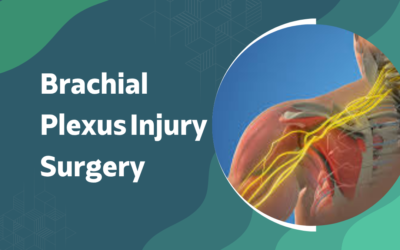
Can a Brachial Plexus Injury Be Repaired With Surgery?
Brachial plexus injuries can often be surgically repaired, though the outcome depends on the type of damage and how quickly treatment begins. A stretch injury may recover without intervention. A rupture can be bridged with a nerve graft. An avulsion, where the root is...
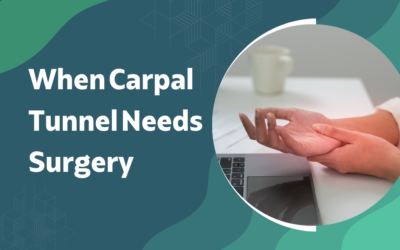
When Does Carpal Tunnel Need Surgery?
Carpal tunnel syndrome does not always require surgery. Splints, rest and steroid injections settle the milder cases effectively. Surgery is indicated when the median nerve is under genuine threat, constant numbness, a weakening grip, or the thumb muscle starting to...
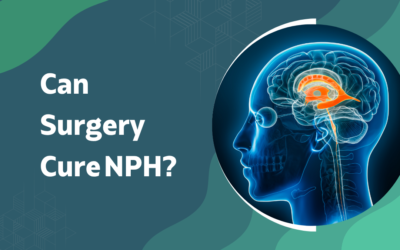
Can Surgery Cure Normal Pressure Hydrocephalus (NPH)?
Surgery for normal pressure hydrocephalus does not cure it, but the right patient can see a dramatic reversal of symptoms. A shunt drains excess cerebrospinal fluid off the brain, relieving the pressure behind the gait disturbance, cognitive decline and bladder...
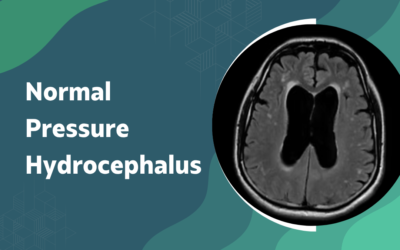
Is Normal Pressure Hydrocephalus Mistaken for Dementia?
Normal pressure hydrocephalus gets misread as dementia all the time, because the two look so alike from the outside. Memory slipping. A shuffling, unsteady walk. Trouble with the bladder. But here's the part that matters: NPH is a fluid problem, not a dying-brain...
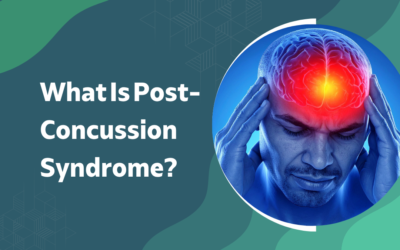
What Is Post-Concussion Syndrome?
Post-concussion syndrome is when concussion symptoms refuse to clear up on schedule. They should settle in a week or two. With this lot, they don't, they linger for weeks, sometimes months. Headaches. Brain fog. Dizziness, mood dips, sleep that won't behave. No single...
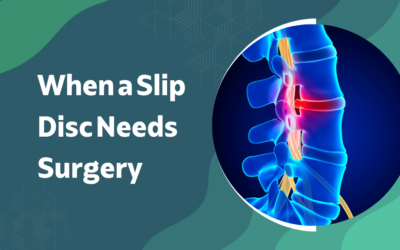
When a Slip Disc Needs Surgery?
For most people, conservative treatment is right. The large majority of slipped discs settle with physiotherapy, medication and a bit of patience, no operation needed. Surgery is the right call when the nerve's in danger, real weakness, a foot that's dropping, or pain...
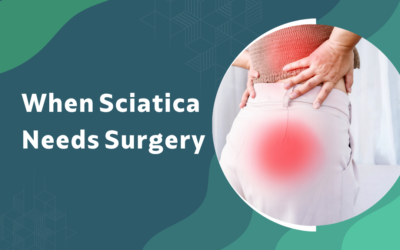
Sciatica: When Is Surgery Needed Instead of Physiotherapy?
Most sciatica never needs surgery. Physiotherapy, time and pain relief settle the large majority within a few weeks. Surgery steps in when the nerve is in real trouble, spreading weakness, a dropping foot, or pain that simply won't quit despite proper conservative...
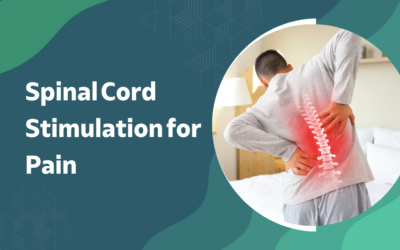
Does Spinal Cord Stimulation Really Work for Chronic Back Pain?
For the right patient, yes. Spinal cord stimulation can cut chronic back and leg pain by half or more. It isn't magic, and it isn't for everyone. A small implanted device sends mild electrical pulses to the spinal cord and scrambles the pain signals before they reach...
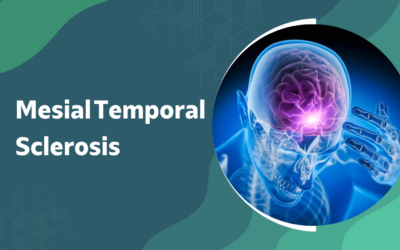
What Is Mesial Temporal Sclerosis and Can It Be Cured?
Mesial temporal sclerosis is scarring in the temporal lobe. The hippocampus, specifically, deep inside. It's the commonest reason temporal lobe epilepsy stops responding to medication. And yes, in the way that counts, it can be cured. The scar won't melt away, nobody...
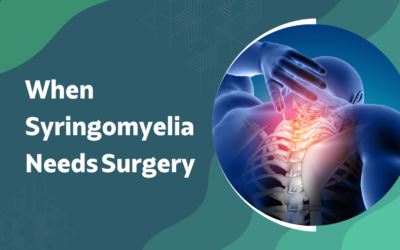
When Does Syringomyelia Actually Need Surgery?
Syringomyelia needs surgery when the cyst inside the spinal cord is growing, or when the symptoms keep getting worse. A small one that causes nothing usually gets watched, not cut. And here's what most people miss: the surgery rarely targets the cyst itself. It goes...
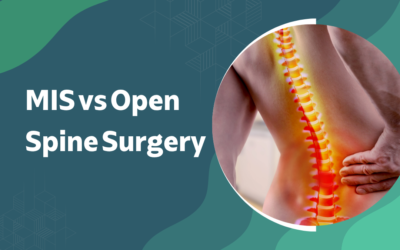
Minimally Invasive vs Open Spine Surgery: What’s Better?
Neither is simply better, the right choice depends on what's being treated and how complex it is. Minimally invasive surgery uses small incisions and causes less muscle damage, so recovery is faster and pain is lower. Open surgery gives wider access, which matters for...
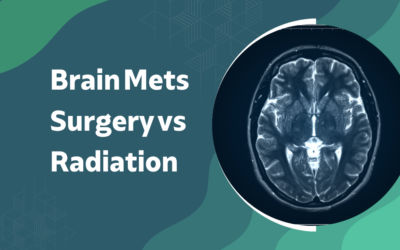
When Is Surgery Better Than Radiation for Brain Mets?
Surgery is better than radiation for brain metastases when the tumour is large, pressing on the brain, or causing symptoms that need quick relief. It's also the choice when doctors need tissue to confirm the diagnosis. Radiation suits small, deep or multiple lesions...
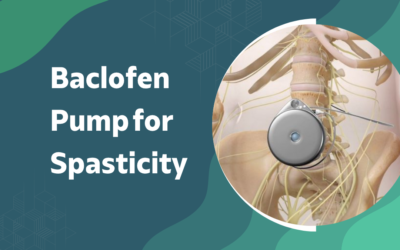
How Does a Baclofen Pump Treat Spasticity?
A baclofen pump treats spasticity by delivering the muscle relaxant straight into the fluid around the spinal cord, where it acts directly on the overactive nerve signals. A small programmable device sits under the abdominal skin, and a thin catheter delivers the drug...
When Do Medicines Stop Working for Essential Tremor?
Medicines stop working for essential tremor when the tremor outgrows what the drug can suppress, or when side effects cap the dose before it helps. Propranolol and primidone are the usual first choices, and they ease shaking in roughly half of patients, rarely more....
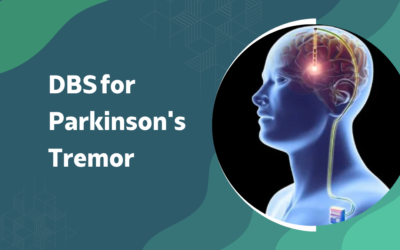
Can DBS Surgery Stop Parkinson’s Tremors?
DBS surgery doesn't stop Parkinson's tremors completely, but it reduces them sharply in most patients. Deep brain stimulation sends steady electrical pulses into the movement-control regions of the brain, settling the abnormal signals that drive shaking. Tremor...
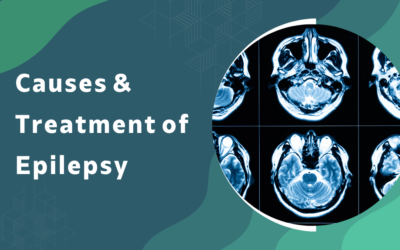
Causes of Epilepsy: How Is It Diagnosed and Treated?
Epilepsy is a chronic neurological disorder defined by recurrent, unprovoked seizures from sudden bursts of abnormal electrical activity in the brain. The triggers vary from one patient to the next, genetic mutations, head injury, stroke, brain tumours, or central...
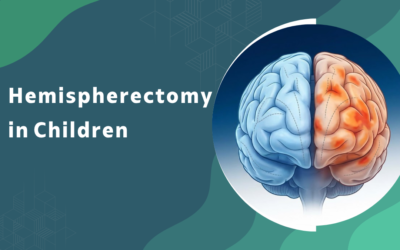
What is hemispherectomy and which children need this rare surgery?
DBS surgery and levodopa treat Parkinson’s disease through entirely different mechanisms. Here is how they differ and when surgery becomes the better option.
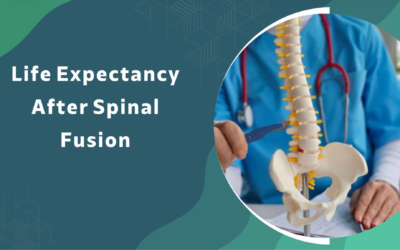
Life Expectancy After Spinal Fusion
TL;DR Life Expectancy After Spinal Fusion Spinal fusion does not reduce life expectancy in the majority of patients. Long-term outcomes depend on the underlying condition, age, and overall health — not the procedure itself. Most patients return to normal daily life...
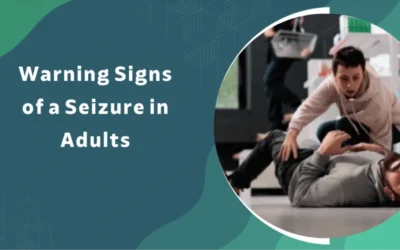
Warning Signs of a Seizure in Adults
TL;DR Warning Signs of a Seizure in Adults Seizure warning signs in adults — aura, sudden confusion, staring spells, or post-episode fatigue — are frequently missed or mistaken for stress. Recognising these early allows for faster diagnosis and better seizure control....
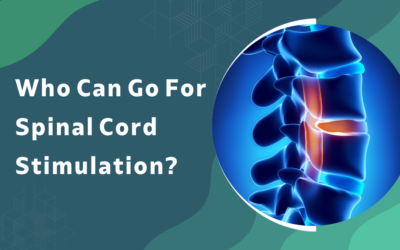
Who Can Go For Spinal Cord Stimulation?
Spinal cord stimulation is a neuromodulation option for chronic, severe neuropathic pain that has stopped responding to medication, physiotherapy, or nerve blocks. The strongest results show up in patients with Failed Back Surgery Syndrome, Complex Regional Pain...
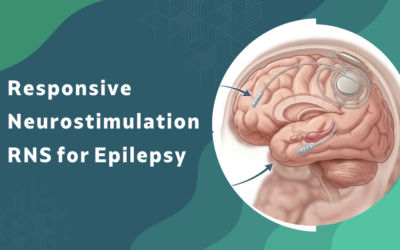
What is Responsive Neurostimulation (RNS) for Epilepsy and is it Available in India?
DBS surgery and levodopa treat Parkinson’s disease through entirely different mechanisms. Here is how they differ and when surgery becomes the better option.
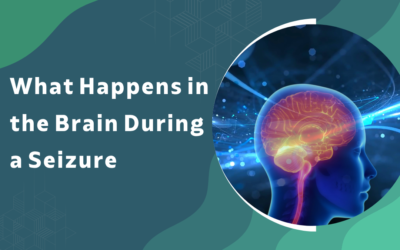
What Happens in the Brain During a Seizure?
A seizure happens when a sudden burst of abnormal electrical activity in the brain disrupts the normal signalling between neurons. Large groups of nerve cells fire together at high speed, almost like an electrical storm, and the activity either stays confined to one...
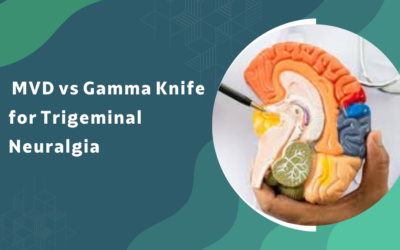
What is the difference between MVD and Gamma Knife for trigeminal neuralgia?
MVD gives better long-term pain relief, around 80 to 90 percent at 10 years, while gamma knife works for elderly patients who can't have open surgery. Trigeminal neuralgia is brutal. Sudden electric-shock pain across the face, set off by something as small as brushing...
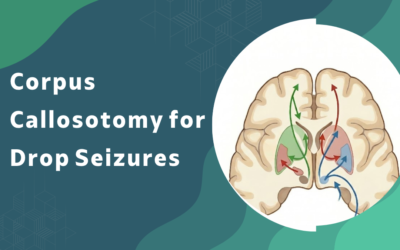
What is corpus callosotomy and how does it stop drop seizures?
DBS surgery and levodopa treat Parkinson’s disease through entirely different mechanisms. Here is how they differ and when surgery becomes the better option.
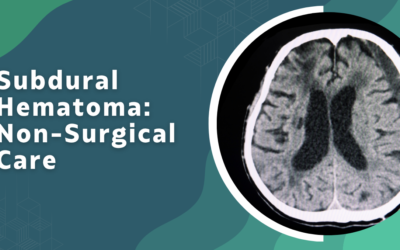
Understanding Life Expectancy After Subdural Hematoma Without Surgery
Life expectancy after a subdural hematoma without surgery comes down to the type and timing of the bleed. Mortality in untreated large or acute SDH runs between 40% and 60%, mostly in elderly patients or those on blood thinners. The picture changes completely for...
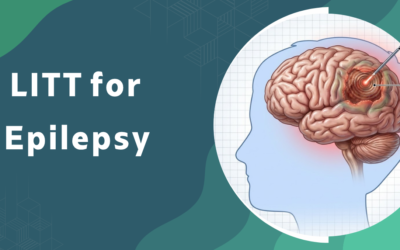
What is Laser Interstitial Thermal Therapy LITT for Epilepsy?
DBS surgery and levodopa treat Parkinson’s disease through entirely different mechanisms. Here is how they differ and when surgery becomes the better option.
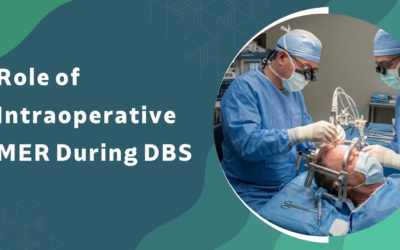
What Is the Role of Intraoperative Microelectrode Recording During DBS?
DBS surgery and levodopa treat Parkinson’s disease through entirely different mechanisms. Here is how they differ and when surgery becomes the better option.
What is task-specific dystonia like writer’s cramp or musician’s dystonia, and what are the treatment options?
DBS surgery and levodopa treat Parkinson’s disease through entirely different mechanisms. Here is how they differ and when surgery becomes the better option.
Paroxysmal Kinesigenic Dyskinesia: Causes, Symptoms, and Treatment
DBS surgery and levodopa treat Parkinson’s disease through entirely different mechanisms. Here is how they differ and when surgery becomes the better option.
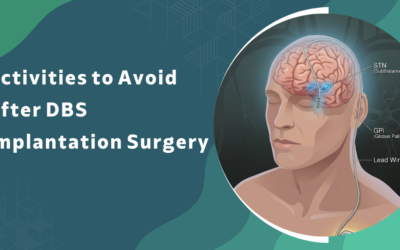
Activities to Avoid After DBS Implantation Surgery
DBS surgery and levodopa treat Parkinson’s disease through entirely different mechanisms. Here is how they differ and when surgery becomes the better option.
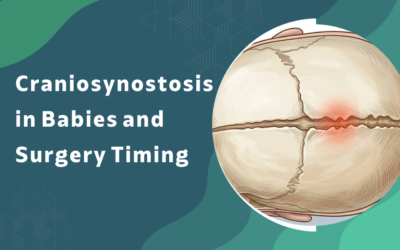
What is craniosynostosis in babies and when is surgery needed?
DBS surgery and levodopa treat Parkinson’s disease through entirely different mechanisms. Here is how they differ and when surgery becomes the better option.
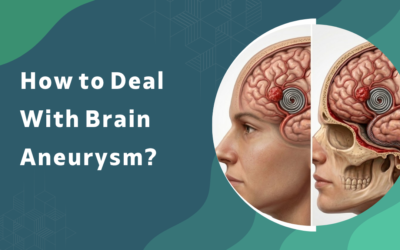
How to deal with Brain Aneurysm?
A brain aneurysm is a weak, balloon-like bulge in a brain artery, and yes, it can rupture and trigger a life-threatening stroke. Dealing with one really comes down to three things, catching it early through imaging, keeping blood pressure in check, and getting timely...
When Should I Visit a Neurosurgeon?
Visit a neurosurgeon when symptoms stop being manageable. Back pain that drags into the third month. A leg going numb out of nowhere. One arm losing grip. Headaches that arrive like somebody hit you with a brick. Fits. Sudden trouble seeing or speaking. Neurosurgeons...
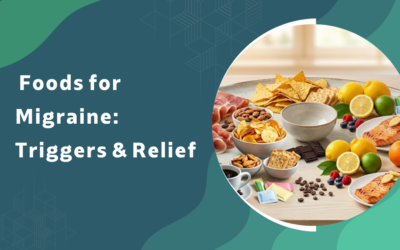
Foods for migraine : Prevention, triggers, and relief
A migraine-friendly diet focuses on avoiding common dietary triggers such as aged cheese, chocolate, red wine, MSG, and processed meats, while including foods rich in magnesium and vitamin B-2, including spinach, almonds, salmon, and brown rice. Consistent hydration...
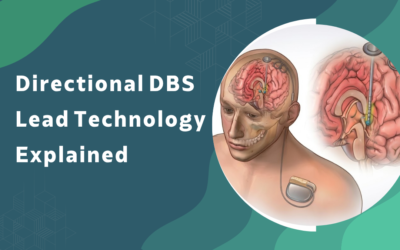
What Is Directional DBS Lead Technology and How Is It Different From Conventional Leads?
DBS surgery and levodopa treat Parkinson’s disease through entirely different mechanisms. Here is how they differ and when surgery becomes the better option.
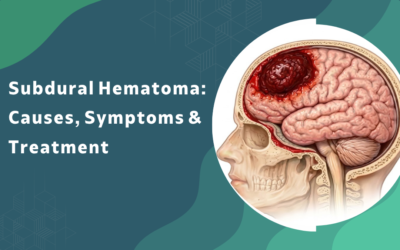
What are the causes, symptoms, and treatment options for subdural hematoma?
A subdural hematoma is a serious medical condition where blood collects between the brain and its outer protective layer, the dura mater, usually following a head injury, fall, or use of blood thinner medication. Common symptoms include persistent headache, confusion,...
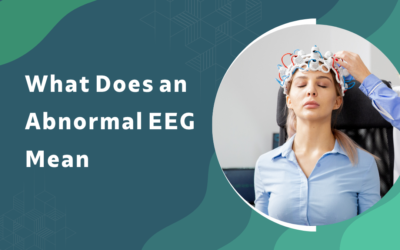
What does an abnormal EEG mean and does it always mean epilepsy?
DBS surgery and levodopa treat Parkinson’s disease through entirely different mechanisms. Here is how they differ and when surgery becomes the better option.
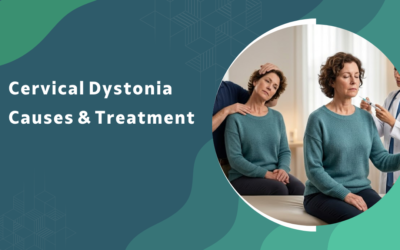
What is cervical dystonia (torticollis) and how is it treated?
Cervical dystonia, also called spasmodic torticollis, is a chronic neurological disorder where involuntary neck muscle contractions cause abnormal head tilting, twisting, and pain. There is no cure, but treatment effectively manages symptoms through botulinum toxin...
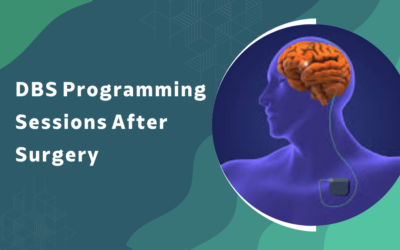
What Happens During DBS Programming Sessions After Surgery?
DBS programming starts roughly 3 to 4 weeks post-op. A neurologist sits with you, holds a small wireless device, and switches the stimulator on for the first time. Then the real work begins testing contacts, nudging voltage, tweaking pulse width and frequency until...
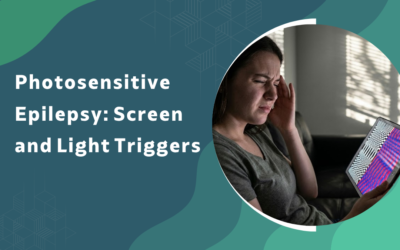
Photosensitive Epilepsy: Can Screens and Lights Trigger Seizures
Yes, certain lights and screens can trigger seizures in people with photosensitive epilepsy, a condition affecting about 3% of those with epilepsy. Common triggers include flashing lights, strobe effects, fast-changing video game images, and high-contrast or pulsating...
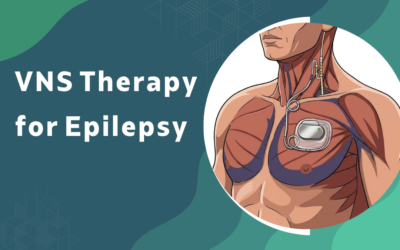
What is VNS Therapy for Epilepsy and Who is it For?
VNS therapy is an FDA-approved, non-drug, palliative treatment for drug-resistant epilepsy. An implanted device sends mild electrical pulses to the brain through the vagus nerve, which cuts down seizure frequency and severity. It's meant for adults and kids aged four...
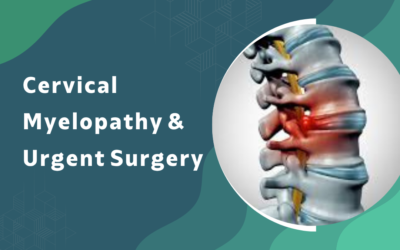
What is cervical myelopathy and when does it need urgent surgery?
Cervical myelopathy is spinal cord compression in the neck, usually from degenerative wear like arthritis, slipped discs, or thickened ligaments pressing on the cord. Symptoms build slowly at first. Hand clumsiness, trouble walking, numbness creeping into arms or...
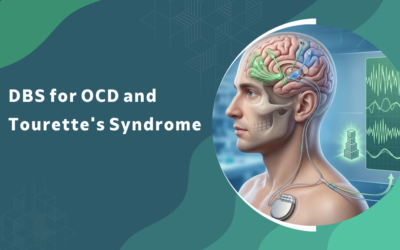
Can DBS Treat OCD or Tourette’s Syndrome?
Yes, deep brain stimulation can treat severe, treatment-resistant Obsessive-Compulsive Disorder and Tourette's syndrome. DBS works like a pacemaker for the brain, sending controlled electrical pulses to calm down abnormal circuit activity. It's only on the table after...
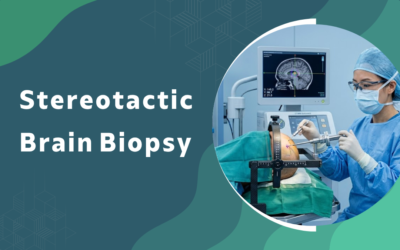
What is stereotactic brain biopsy and when is it required?
What is stereotactic brain biopsy and when is it required?
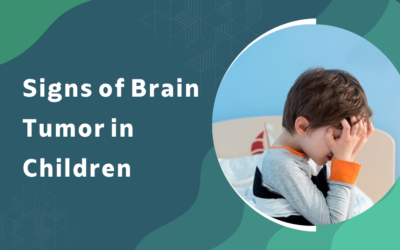
What are the signs of a brain tumor in children parents should know?
Key signs of a brain tumor in children include persistent or early morning headaches, unexplained vomiting, balance issues, seizures, vision and speech changes, and behavioural shifts. In infants, an abnormally enlarging head, a tense fontanelle, and developmental...
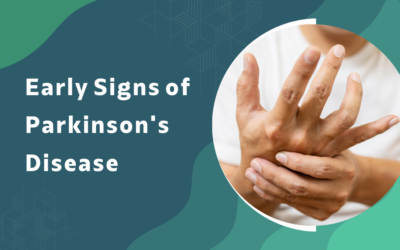
Earliest 5 Signs of Parkinson’s Disease Most People Miss
DBS surgery and levodopa treat Parkinson’s disease through entirely different mechanisms. Here is how they differ and when surgery becomes the better option.
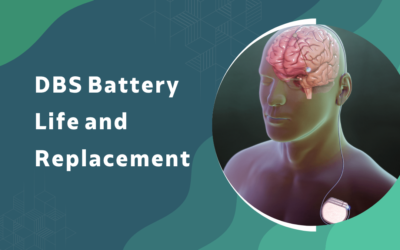
How Long Does a DBS Battery Last and When Does It Need Replacement?
DBS surgery and levodopa treat Parkinson’s disease through entirely different mechanisms. Here is how they differ and when surgery becomes the better option.
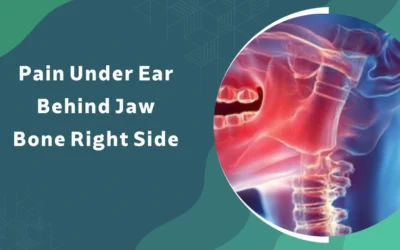
Pain Under Ear Behind Jaw Bone Right Side
TL;DR Pain Under Ear Behind Jaw Bone Right Side Pain beneath the ear and behind the jaw on one side can stem from TMJ disorder, nerve irritation, parotid gland inflammation, or dental issues. When the pain is sharp, electric, or triggered by swallowing, a neurological...
Can a Tonic Clonic Seizure Kill You?
TL;DR Can a Tonic Clonic Seizure Kill You? A single tonic-clonic seizure is rarely fatal in healthy adults. The real dangers are SUDEP, status epilepticus lasting beyond five minutes, and seizure-related injuries. Risk is highest in those with frequent, uncontrolled,...
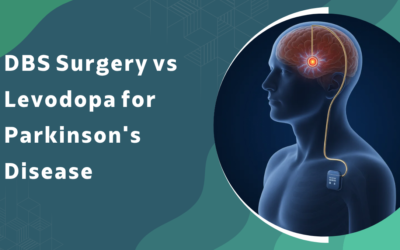
DBS Surgery vs Levodopa for Parkinson’s Disease
DBS surgery and levodopa treat Parkinson’s disease through entirely different mechanisms. Here is how they differ and when surgery becomes the better option.
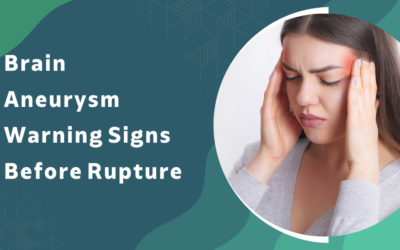
Brain Aneurysm Warning Signs Before Rupture?
A brain aneurysm carries rupture risk with specific warning signs days before a major bleed. Here is what to recognise and when to seek emergency assessment.
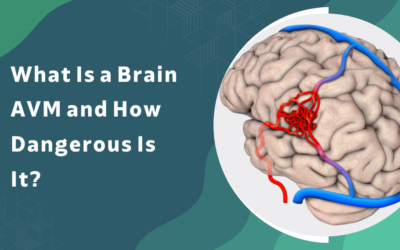
What Is a Brain AVM and How Dangerous Is It?
A brain AVM is an abnormal tangle of blood vessels carrying significant haemorrhage risk. Here is how dangerous it is and when treatment is indicated.
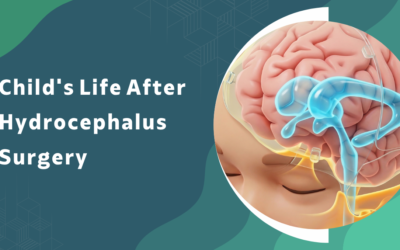
Child’s Life After Hydrocephalus Surgery
Most children achieve normal development after hydrocephalus surgery. Here is what determines outcome and what families should realistically expect.
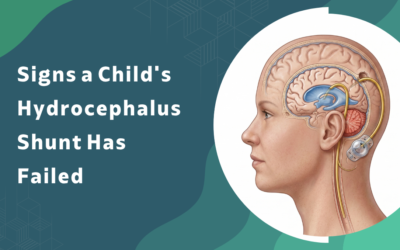
Signs a Child’s Hydrocephalus Shunt Has Failed?
Shunt failure in children with hydrocephalus produces specific clinical signs requiring urgent assessment. Here is what parents and clinicians need to recognise.
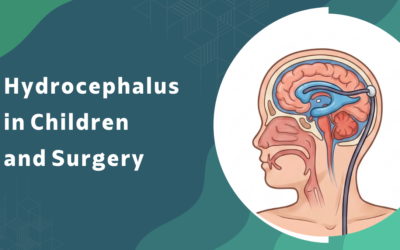
Hydrocephalus in Children and Surgery?
Hydrocephalus in children causes abnormal CSF accumulation in the brain. Here is when surgery is required and which procedure is appropriate
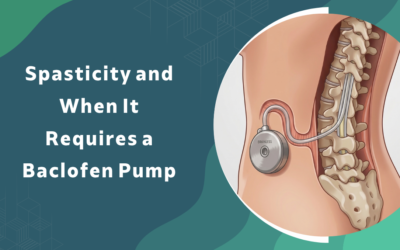
Spasticity and When It Requires a Baclofen Pump
Spasticity is abnormal muscle tone from central nervous system injury. Here is when oral medication fails and a baclofen pump becomes indicated.
Essential Tremor vs Parkinson’s Disease Tremor?
Essential tremor and Parkinson’s tremor are clinically distinct conditions with different treatments. Here is how to tell them apart and when surgery applies.
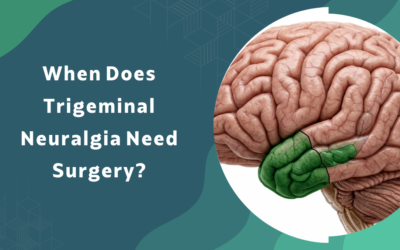
When Does Trigeminal Neuralgia Need Surgery?
Trigeminal neuralgia requires surgery when medication fails or causes intolerable side effects. Here is when surgery becomes the right decision.
Best Epilepsy Treatment Hospital in Mumbai?
Fortis Hospital Mulund West provides structured epilepsy surgery evaluation in Mumbai. Here is what separates a proper epilepsy centre from general neurosurgery.
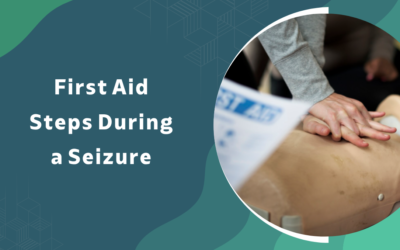
First Aid Steps During a Seizure
Seizure first aid involves protecting the patient from injury, timing the seizure duration, and identifying features that require immediate emergency services activation. No medication should be administered by a bystander unless prescribed rescue medication is...
Can a Child With Epilepsy Live Normally?
Most children with epilepsy achieve adequate seizure control with appropriate medication and attend mainstream education without significant neurological impairment. Outcome is not uniform across epilepsy types. It depends on syndrome, underlying aetiology, age of...
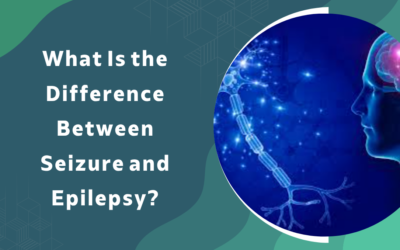
What Is the Difference Between Seizure and Epilepsy?
A seizure is a single episode of abnormal electrical activity in the brain producing transient neurological symptoms. Epilepsy is a chronic condition defined by a predisposition to recurrent unprovoked seizures. Not every seizure means epilepsy and that distinction...
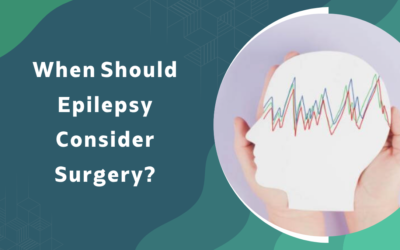
When Should Epilepsy Consider Surgery?
Seizures that persist despite two appropriately chosen anti-seizure medications define drug-resistant epilepsy by ILAE criteria. Around 30 percent of epilepsy patients reach this threshold. A third medication achieves seizure freedom in fewer than five percent of them...
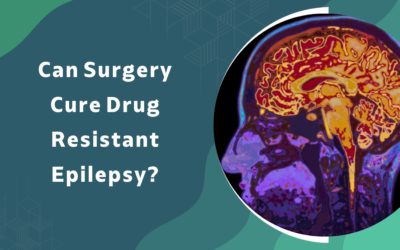
Can Surgery Cure Drug-Resistant Epilepsy?
Epilepsy surgery achieves complete seizure freedom in 60 to 80 percent of appropriately selected drug-resistant patients. Surgical outcome depends on seizure focus location, underlying pathology, and completeness of resection. Surgery is reserved for drug-resistant...
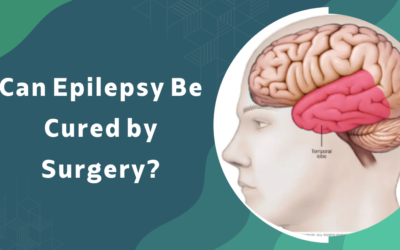
Can Epilepsy Be Cured by Surgery?
Epilepsy surgery achieves complete seizure freedom in 60 to 80 percent of appropriately selected drug-resistant patients. Outcome depends on seizure focus location, underlying pathology, and completeness of resection. Surgery is reserved for drug-resistant cases where...
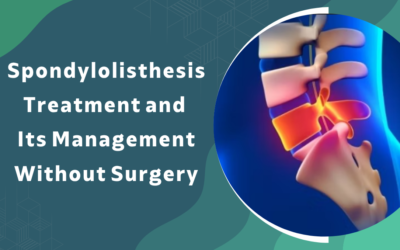
Spondylolisthesis Treatment and Its Management Without Surgery
Spondylolisthesis is anterior or posterior displacement of one vertebral body relative to the adjacent vertebra, graded I through IV by percentage slip. Most cases are managed conservatively. Surgical intervention is reserved for neurological deficit, progressive...
Spinal Cord Injury Surgery in India
Spinal cord injury surgery addresses structural cord compression, spinal instability, and progressive neurological deterioration. The surgical objective is preventing further neurological loss and stabilising the spine for rehabilitation to commence. It does not...
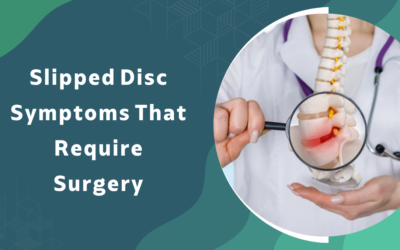
Slipped Disc Symptoms That Require Surgery
Most slipped discs resolve without surgery over six to twelve weeks with physiotherapy and pain management. Surgery becomes necessary when neurological deficit is progressing, conservative management has genuinely failed after six weeks, or specific red flag symptoms...
Recovery After Minimally Invasive Spine Surgery
Recovery after minimally invasive spine surgery is faster than open surgery because less muscle is disrupted. Most patients walk within 24 hours, go home in one to three days, and return to desk work in two to four weeks. Fusion cases take longer, six weeks minimum...
Minimally Invasive Spine Surgery
Minimally invasive spine surgery reaches the spine through small incisions using tubular retractors that dilate muscle rather than cut through it, with fluoroscopy and navigation guiding every step. Blood loss is lower, wound infection rates are lower, and hospital...
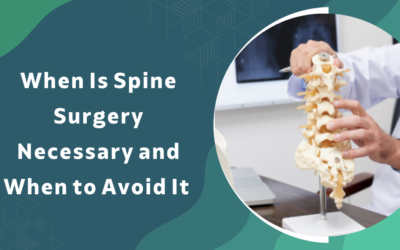
When Is Spine Surgery Necessary and When to Avoid It
Spine surgery is necessary when nerve compression causes progressive weakness, numbness, or loss of bowel and bladder control, or when six to twelve weeks of conservative management has failed with confirmed structural compression on imaging. Surgery can be avoided...
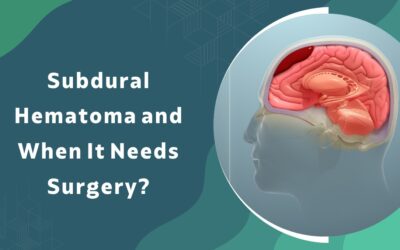
Subdural Hematoma and When It Needs Surgery
A subdural hematoma is blood collecting on the brain surface. Here’s when it’s a medical emergency and when surgery can’t wait.
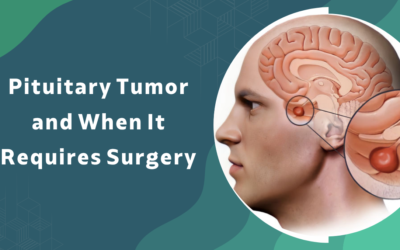
Pituitary Tumor and When It Requires Surgery
A pituitary tumor isn’t always dangerous and doesn’t always need surgery. Here’s what determines treatment and when surgery is the right call.
Seizure vs Epilepsy | Dr. Gurneet Singh Sawhney
A seizure is one event. Epilepsy is a diagnosed condition. Know when a first seizure needs urgent imaging and when surgery is the answer.
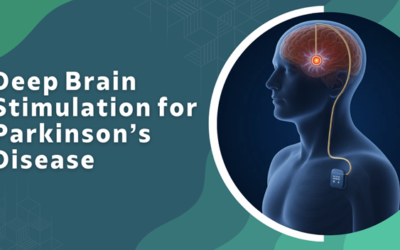
Deep Brain Stimulation for Parkinson’s Disease
Parkinson’s disease is a progressive neurological disorder that affects movement, coordination, and muscle control. While medications help control symptoms in the early stages, some patients experience reduced effectiveness of medicines over time. In such situations,...
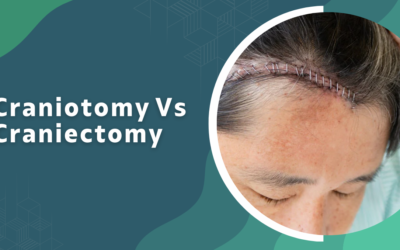
Craniotomy Vs Craniectomy
TL;DR Craniotomy vs Craniectomy Both craniotomy and craniectomy involve opening the skull to access the brain, but their purpose differs. In a craniotomy, the bone flap is replaced after surgery — used for tumours, aneurysms, or epilepsy. In a craniectomy, it is left...
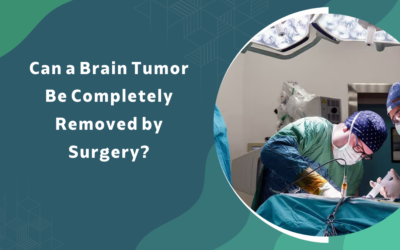
Tumor Be Completely Removed by Surgery
Depends entirely on what kind of tumor you're dealing with. That's not a dodge, it's genuinely the answer. Two patients, two brain tumors, two completely different surgical realities. One has a meningioma sitting on the brain surface with clean edges. The other has a...
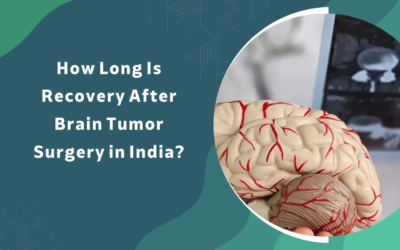
Recovery After Brain Tumor Surgery in India
There's no single number. Anyone who gives you one without knowing your case is guessing. Recovery depends on tumor type, location, how much came out, patient age, and neurological baseline going in. A 35 year old with a fully respected meningioma in a non-eloquent...
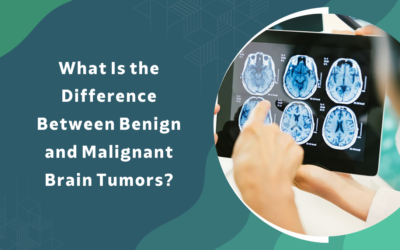
Benign vs Malignant Brain Tumors: Key Differences
Nobody explains this properly. So people walk out of consultations thinking benign means safe and malignant means it's over. Neither is quite right. Here's what benign actually means the tumor stays put. It doesn't invade the tissue around it. It won't pack up and...
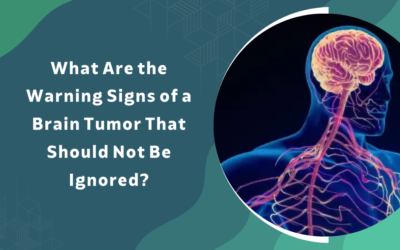
Warning Signs of a Brain Tumor Not to Ignore
The problem with brain tumor symptoms isn't that they're rare. It's that most of them look exactly like something ordinary. A headache. A bit of dizziness. Forgetting a word mid-sentence. These things happen to everyone and usually mean nothing. But in certain...
Success Rate of Brain Tumor Surgery in Mumbai
It depends on what you mean by success. And that question matters more than most families realise when they first ask it. "Success rate" flattens everything into one figure that doesn't apply equally to every case. A meningioma in an accessible location is a...
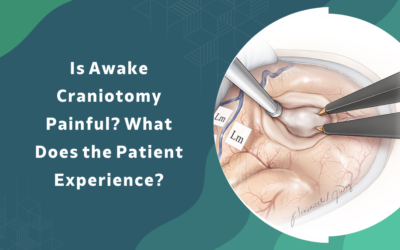
Is Awake Craniotomy Painful? What to Expect
No. It's not painful. The brain genuinely has no pain receptors not a small number, none. There's nothing inside the skull that registers a pain signal. And the scalp, which does have receptors, gets numbed with local anaesthetic before the first incision. So what...
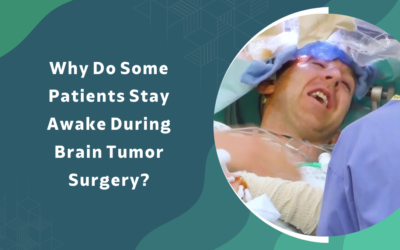
Why Patients Stay Awake During Brain Tumor Surgery
It sounds like the most frightening thing imaginable. It isn't but that's not a sentence that lands well without explanation. Certain brain tumors grow right next to areas that handle speech, language, movement. Remove the tumor under general anaesthesia and you have...
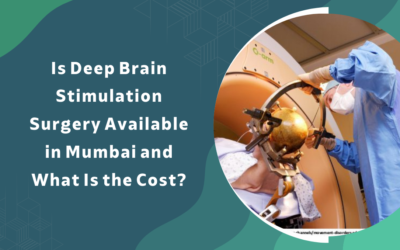
Deep Brain Stimulation Surgery Mumbai Cost
Yes. And the cost is where most families immediately get stuck because what they find online is either too vague to be useful or too specific to apply to their actual situation. DBS isn't one thing with one price. It's a device cost, a surgical fee, hospital charges,...
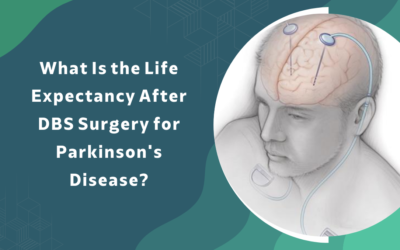
Life Expectancy After DBS Surgery for Parkinson’s Disease
This is one of the first questions families ask. And it's the right question but the answer isn't what most people are bracing for. DBS surgery doesn't shorten life expectancy. That's worth saying clearly because the fear going into a brain surgery conversation is...
Is Parkinson’s Disease Hereditary and Can It Be Prevented
Here's the thing families always want a cleaner answer to than actually exists. Most people with Parkinson's have no family history of it. Zero. No parent, no sibling, no uncle anyone can trace it back to. And most people who do have a parent with the disease never...
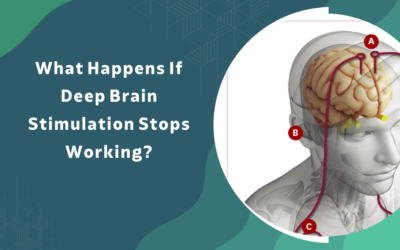
What Happens If Deep Brain Stimulation Stops Working
The first thing to understand is that "DBS stopped working" usually means one of several very different things and which one it is determines entirely what happens next. Sometimes the device is fine and the settings just need adjustment. Sometimes the battery is...
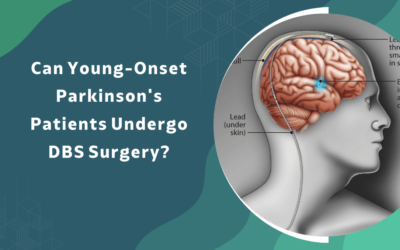
Can Young Onset Parkinson’s Patients Undergo DBS Surgery
Yes. And in many cases, younger patients with Parkinson's are actually stronger DBS candidates than older ones. That surprises a lot of families. The assumption tends to run the other way that surgery is for older patients who've exhausted everything else, and that...
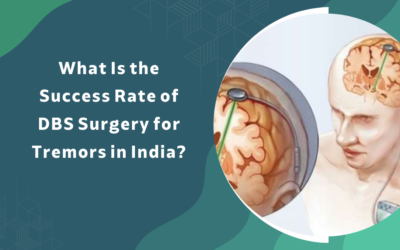
Success Rate of DBS Surgery for Tremors in India
Numbers get thrown around a lot in this conversation. "90% success rate." "85% improvement." They sound reassuring until you ask what success actually means in those studies and whether the patients being measured look anything like your case. The honest answer is...
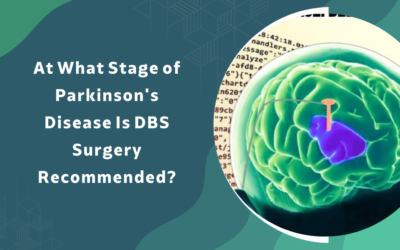
What Stage of Parkinson’s Is DBS Surgery Recommended
No. It can't. And anyone telling you otherwise is giving you the wrong expectation going into surgery. Parkinson's is a progressive neurological condition the dopamine-producing cells in the brain keep deteriorating regardless of whether a device is implanted or not....
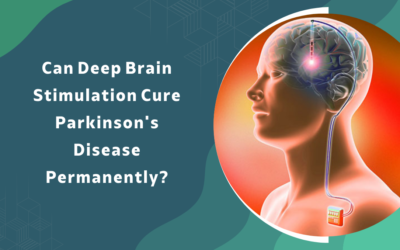
Can Deep Brain Stimulation Cure Parkinson’s Disease?
No. It can't. And anyone telling you otherwise is giving you the wrong expectation going into surgery. Parkinson's is a progressive neurological condition the dopamine-producing cells in the brain keep deteriorating regardless of whether a device is implanted or not....
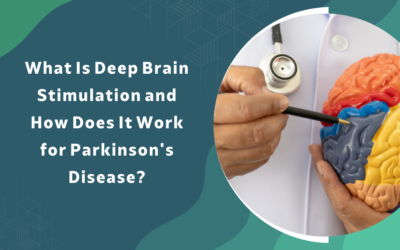
What Is Deep Brain Stimulation for Parkinson’s Disease
TL;DR What Is Deep Brain Stimulation for Parkinson's Disease? Deep Brain Stimulation implants a small pulse generator near the chest that delivers electrical signals to specific brain targets, disrupting the faulty circuits driving Parkinson's symptoms. DBS does not...
How to Choose the Right Neurosurgeon in Mumbai
Nobody teaches you this. You get a diagnosis, someone hands you a referral, and suddenly you're expected to pick the person who'll operate on your brain or spine like you're ordering off a menu. Most people just go with whoever's available. That's not a knock on them...

Does Dr. Gurneet Sawhney Treat International Patients?
Yes, he does. Patients fly in from the Gulf, East Africa, Southeast Asia, parts of Europe. Some come for surgery. Some just want a second opinion before they decide anything. The process itself isn't complicated. Most people from outside India just don't know where to...
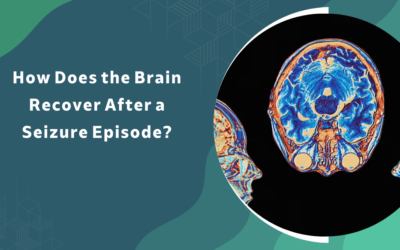
How Does the Brain Recover After a Seizure?
Nobody talks about what happens after the seizure stops. Everyone focuses on the episode itself. Timing it. Getting the person safe. Calling for help. But the recovery that follows, that part carries just as much clinical weight. Sometimes more. The brain doesn't...
Book Online Consultation
You don't need to travel to Mumbai for a proper neurosurgical opinion. Booking an online consultation with Dr. Gurneet Singh Sawhney is straightforward. Call, WhatsApp, or email the clinic, share your scans beforehand, and you'll get a confirmed slot within 24 to 48...
Who Is the Best Neurosurgeon for DBS Surgery in Mumbai?
Looking for the best neurosurgeon in Mumbai for DBS surgery? Dr. Gurneet Singh Sawhney at Fortis Hospital explains who needs it and what real results look like.
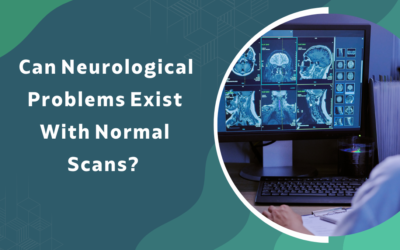
Can Neurological Problems Exist With Normal Scans? | Dr. Gurneet Sawhney
Yes—neurological problems can exist even when your MRI or CT scan looks perfectly normal. A clean scan means there's no visible structural damage. It doesn't mean your nervous system is working the way it should. Dr. Gurneet Singh Sawhney, a leading neurosurgeon in...