

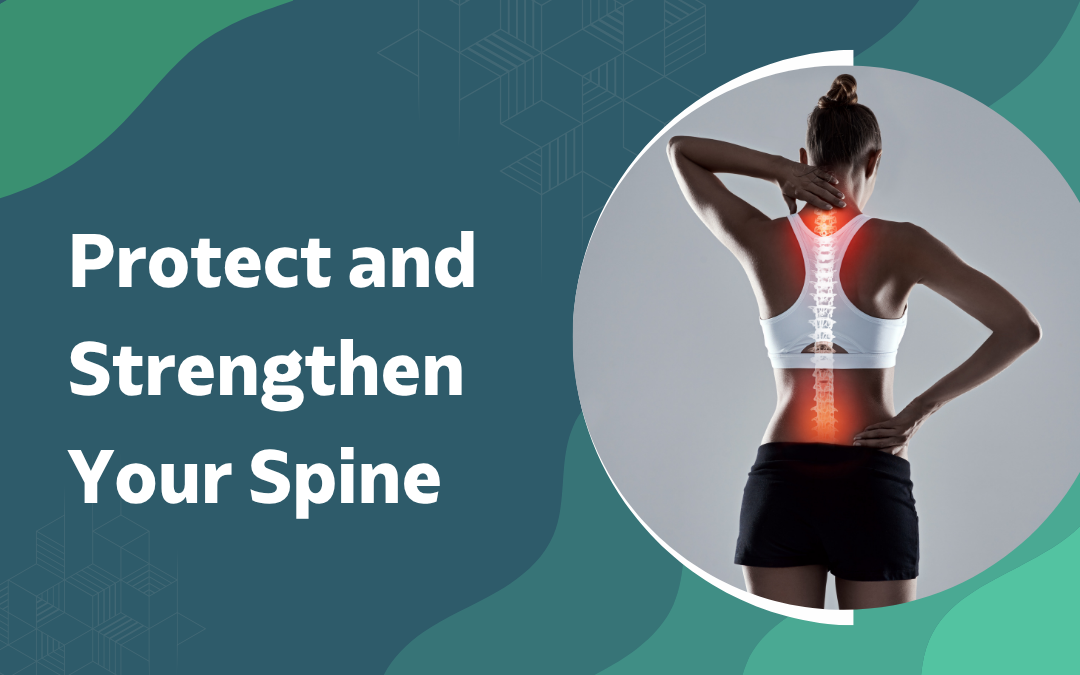
The spine supports the entire upper body and protects the spinal cord. Most people don’t think about it until something goes wrong. By then, years of poor posture, weak core muscles, or prolonged inactivity have already added up. Strengthening the core, correcting how you sit, lift, and sleep sorting out diet, quitting smoking these are the interventions that consistently show up in the evidence. Address them and most people never need surgery.
According to Dr. Gurneet Singh Sawhney, a leading spine specialist in Mumbai, Most patients I see for chronic back pain had years of manageable warning signs before surgery became the only option. Early intervention with the right exercises and posture habits changes that outcome entirely.
Back pain that keeps coming back despite rest and painkillers?
What Daily Habits Protect the Spine?
None of these require a gym or a physiotherapist. They’re positions and movements most people are already doing, just wrongly.
Sitting posture: Sitting loads the lumbar discs more than standing does, which most people assume is the opposite. The default slouch that sets in after an hour at a desk is where the long-term disc damage builds up. Lumbar support and a standing break every 45 minutes helps.
Sleep position: Stomach sleeping puts the low back into hours of continuous extension and compresses the facet joints on both sides. Most people who wake up stiff every morning have been blaming the mattress for something the sleeping position is causing.
Lifting mechanics: Twist at the waist while holding a load and the disc bears the rotational force directly. Knees bent, load close to the body, feet doing the turning. Done wrong a few thousand times, that’s how herniations happen.
Weight management: Excess abdominal weight pulls the pelvis forward. The lumbar spine compensates by curving more than it should, and the discs and facets absorb that extra load whether the person feels it yet or not.
Prevention works until it doesn’t. When the structural damage is already done, understanding your spine surgery options is where to start.
Which Exercises Strengthen the Spine?
Most people are training the wrong muscles. The visible ones. Not the ones that actually matter for spinal stability.
Core stabilisation: The transversus abdominis and multifidus sit deep and don’t show. Most exercise programmes skip them entirely. But these are the muscles that brace the spine under load, and dead bugs, bird-dogs, and planks activate them specifically. The clinical evidence on chronic low back pain keeps pointing here.
Stretching: When the hamstrings are tight they pull on the pelvis and flatten the lumbar curve. That shifts mechanical load from the facets onto the discs. A 10-minute daily stretch of the hamstrings and hip flexors directly changes how the spine carries load.
Walking: Just walking. Thirty minutes most days. The spine loads rhythmically, the discs stay hydrated through the pressure-and-release cycle, and postural muscles don’t switch off. Nothing complicated, nothing expensive.
Smoking cessation: Blood supply to the vertebral endplates is the only way the discs receive nutrition. Smoking restricts it. Disc degeneration proceeds faster regardless of how active someone is, and no exercise compensates for that. For patients already past the surgical threshold, microdiscectomy recovery is where these same exercises become central to rehabilitation.
When the damage has progressed past what exercise can reverse, surgery is the next step. Most of the time that progression was avoidable.
Which Lifestyle Factors Affect Long-Term Spinal Health?
What you eat, how hydrated you are, how much chronic stress you carry none of it feels like a spinal issue until it shows up in the spine.
Anti-inflammatory diet: Systemic inflammation accelerates disc breakdown and keeps pain pathways sensitised. A diet built on lean proteins, vegetables, and healthy fats reduces that baseline. Patients who clean up their diet often notice less back pain without changing anything else about their routine.
Calcium and vitamin D: Spinal compression fractures are frequently the first sign that bone health has been neglected for years. Osteoporotic vertebrae don’t handle normal daily loads well, and getting calcium and vitamin D right prevents that from becoming the problem.
Hydration: Discs are roughly 80% water in a healthy state. Gradual dehydration over years reduces disc height, shows up on MRI as desiccation, and gets recorded as age-related change. Sometimes that’s accurate. Inadequate fluid intake over years produces the same picture and it isn’t the same thing.
Stress management: When someone is chronically stressed, the paraspinal muscles stay in low-level contraction. The spinal joints are under constant compression because of it. Back pain worsens during difficult periods at work or home even when nothing physical has changed, and most patients don’t connect the two.
These things compound each other. When lifestyle measures genuinely aren’t enough and symptoms keep progressing, it’s worth checking whether a structural cord problem is driving things. Syringomyelia and spinal cord conditions is a useful read for understanding when that’s the case.
Why Choose Dr. Gurneet Singh Sawhney?
Dr. Gurneet Singh Sawhney is a neurosurgeon with over 18 years of experience in complex cranial and spinal surgery, fellowship-trained in Japan across brain tumour resection, spine surgery, DBS, and epilepsy surgery. His practice covers minimally invasive disc procedures through to complex spinal reconstruction, and he sees patients from across India and internationally.
Earlier assessment means more treatment options and better surgical outcomes.
Sitting all day and noticing stiffness that was not there a year ago?
Frequently Asked Questions
What exercises strengthen the spine?
Core stabilisation work targeting the deep muscles, specifically the transversus abdominis and multifidus, gives the spine the bracing it needs under load. Stretching and posture correction support this.
Can poor posture cause permanent spine damage?
It can, yes. Sustained poor posture increases disc load over time and drives degenerative changes that become structural if nothing changes.
Does smoking affect spinal health?
Smoking restricts blood supply to the vertebral endplates, which is how discs receive nutrition. Disc degeneration progresses faster in smokers, and calcium absorption is impaired too.
When should I see a spine surgeon for back pain?
Leg weakness, numbness, bowel or bladder changes alongside back pain need prompt surgical evaluation. So does pain that six weeks of conservative care has not resolved.
Is walking good for spine health?
Genuinely yes. Brisk walking maintains disc hydration through the natural load cycle, keeps postural muscles active, and improves spinal circulation without injury risk.
Disclaimer: The information shared in this content is for educational purposes only and not for promotional use.