

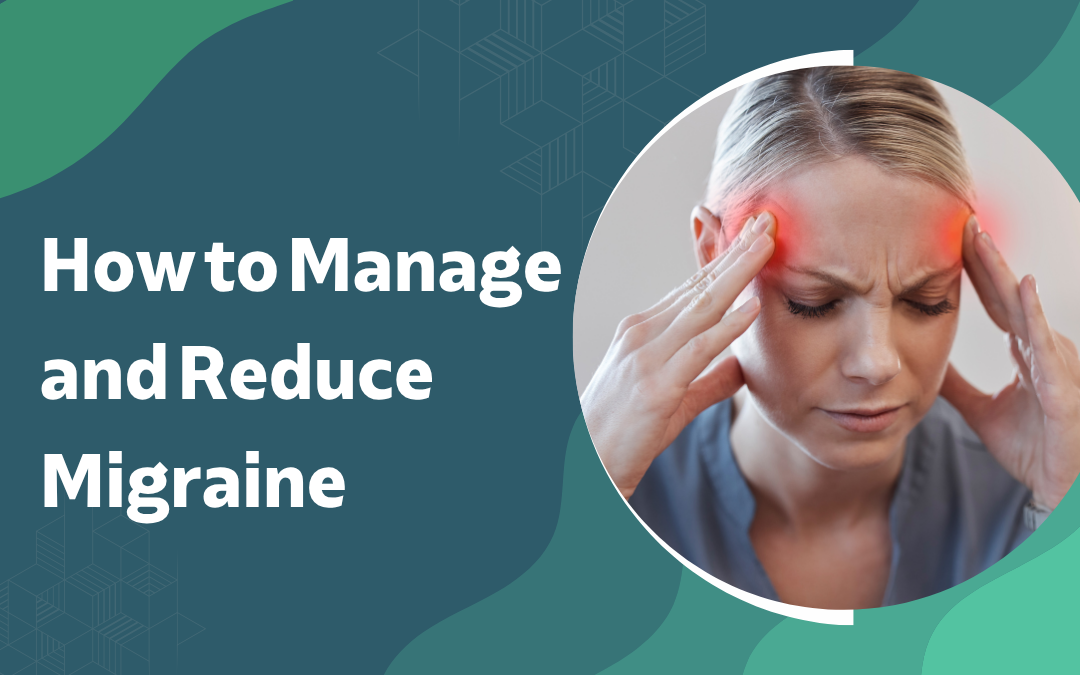
Migraine is a neurological condition, not just a bad headache. Attacks involve moderate to severe pulsating pain, typically on one side of the head, and come with nausea, light sensitivity, and sound sensitivity that can last hours to days. Management works on two levels: identifying and avoiding individual triggers, and putting a consistent lifestyle and treatment framework in place that reduces how often attacks occur and how severe they are when they do.
According to Dr. Gurneet Singh Sawhney, an experienced in Migraine Headache Treatment in Mumbai, Migraine management isn’t one-size-fits-all. The patients who do best are the ones who understand their personal trigger profile and stay consistent with the lifestyle changes that address it.
Migraines hitting three or more times a month and nothing is controlling them?
What Lifestyle Changes Help Manage Migraine?
Lifestyle is the foundation. Medication works better when these are already in place, and for many patients these alone reduce attack frequency significantly.
Sleep consistency: Irregular sleep is one of the most commonly reported migraine triggers. Keeping wake and sleep times fixed every day, including weekends, breaks the cycle without any prescription.
Trigger identification: Stress, skipped meals, dehydration, specific foods, hormonal shifts, and weather changes are all documented triggers. A headache diary kept for a few weeks identifies which ones are personally relevant more useful than avoiding everything on a generic list.
Regular meals: Fasting is a well-established migraine precipitant. Eating at consistent times and avoiding skipped meals is a direct management strategy, not general health advice.
Aerobic exercise: Regular moderate exercise reduces migraine frequency over time. Walking, cycling, and swimming carry the most consistent evidence. Building up gradually and staying hydrated prevents exercise itself from becoming a trigger.
For patients whose migraines involve severe or unusual headache patterns, understanding thunderclap headache helps separate migraine presentations from neurological emergencies.
Which Medical Treatments Manage Migraine Effectively?
Lifestyle helps, but it does not replace treatment for patients with frequent or severe attacks.
Acute treatment: Triptans abort an active attack and work best when taken early. Overuse beyond 10 days a month causes medication overuse headache.
Preventive medication: Three or more attacks a month indicate daily preventive therapy. Beta-blockers, topiramate, amitriptyline, and CGRP agents reduce frequency by 50% or more.
Magnesium and supplements: Magnesium deficiency is more prevalent in migraine patients. Supplementation at 400 to 600mg daily and vitamin B2 both have preventive evidence.
Botox and CGRP inhibitors: Botox every three months is established for chronic migraine. CGRP monoclonal antibodies suit patients who have not responded to standard preventives. Where headache overlaps with other neurological symptoms, trigeminal neuralgia treatment covers the diagnostic distinction.
Treatment choice depends on attack frequency, comorbidities, and prior treatment history.
When Does Migraine Need Specialist Evaluation?
Most migraines are manageable in primary care. Some aren’t, and the threshold for escalation matters.
Frequency crossing a threshold: Three or more migraines a month that affect daily function, or attacks that are getting more frequent rather than staying stable, warrant a specialist review to discuss preventive treatment options properly.
Neurological symptoms with the attack: Migraine with aura is common. But new or changing neurological symptoms alongside headache limb weakness, speech difficulty, confusion, or a sudden severe headache unlike previous attacks need imaging to exclude a structural cause before assuming it’s migraine.
Medication not working: If acute treatment consistently fails to abort attacks, or if preventive medication hasn’t produced meaningful benefit after an adequate trial, a specialist assessment opens up the next tier of options including the newer CGRP-targeted therapies.
Significant life impact: Missing work repeatedly, avoiding social activities, or relying on opioids for pain control are all signs the current management plan isn’t adequate, regardless of attack frequency. For same-day or instant relief strategies between appointments, instant migraine relief techniques covers what helps during an active attack.
Getting the right diagnosis early matters. Chronic migraine is harder to treat than episodic, and the window to prevent that progression stays open longer than most patients realise.
Why Choose Dr. Gurneet Singh Sawhney?
Dr. Gurneet Singh Sawhney is a neurosurgeon with over 18 years of experience in neurological and cranial conditions, fellowship-trained in functional neurosurgery and epilepsy surgery from Japan, with a practice that covers migraine assessment and management alongside complex neurosurgical care. His approach starts with a thorough diagnostic workup and a treatment plan built around the individual patient’s trigger profile and attack pattern.
Patients who get the right diagnosis and don’t let frequency escalate do significantly better long-term. Call +91 8104310753 to book your consultation.
Tried multiple medications and still losing days to attacks?
Frequently Asked Questions
What triggers a migraine attack?
Stress, disrupted sleep, skipped meals, dehydration, hormonal changes, and certain foods are the most consistently reported triggers across migraine patients.
Can lifestyle changes reduce migraine frequency?
Yes. Consistent sleep schedules, regular meals, stress management, and aerobic exercise are shown to reduce attack frequency in clinical studies.
When should someone see a neurologist for migraines?
Three or more migraines a month, attacks unresponsive to over-the-counter medication, or any migraine with neurological symptoms need specialist evaluation.
Does dehydration cause migraines?
Dehydration is a recognised migraine trigger. Even mild fluid loss can precipitate an attack in susceptible individuals.
What is the difference between a migraine and a regular headache?
Migraine is a neurological condition causing moderate to severe pulsating pain, often unilateral, with nausea and sensitivity to light and sound lasting hours to days.
Disclaimer: The information shared in this content is for educational purposes only and not for promotional use.