

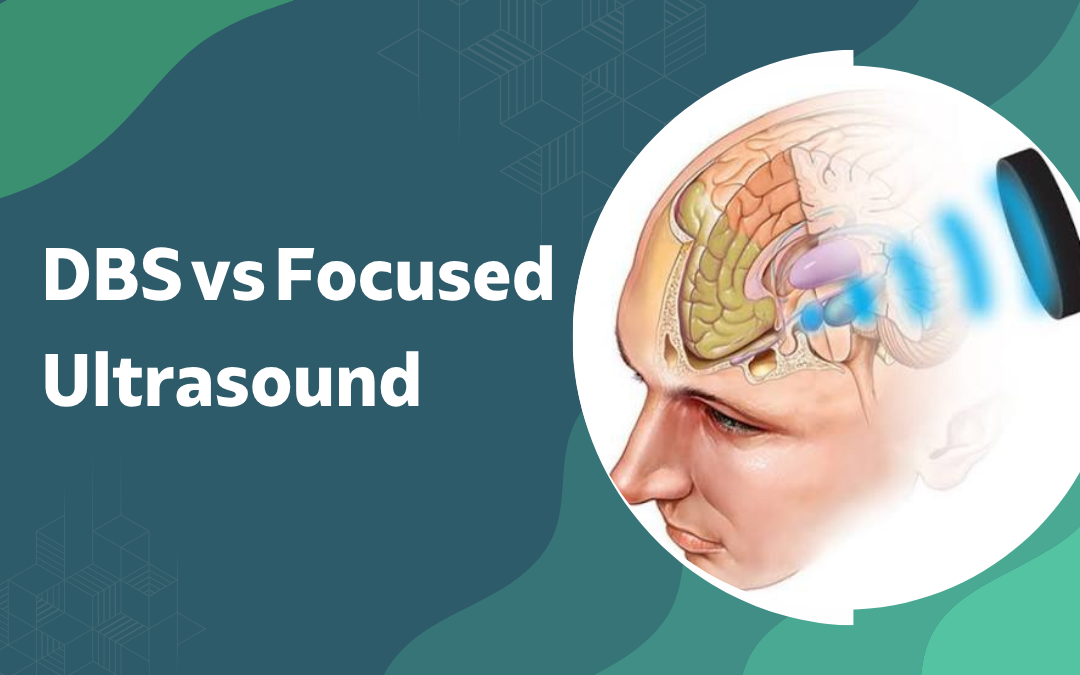
Choosing between deep brain stimulation and focused ultrasound depends on the tremor’s severity, which side needs treating, and how the patient weighs surgical risk against the trade-offs of each approach. DBS implants electrodes connected to a programmable device, treats both sides of the body, and can be adjusted over time. Focused ultrasound creates a permanent lesion without any incision, but it’s currently limited to one side. Neither is universally better. The right choice depends on what the individual case actually needs.
According to Dr. Gurneet Singh Sawhney, a leading neurosurgeon in Mumbai, the two aren’t really competing for the same patient, they suit different priorities. Someone who wants reversibility and bilateral treatment leans toward DBS. Someone who wants to avoid hardware and is dealing with a single-sided tremor often does better with focused ultrasound.
Living with tremor and unsure which treatment fits your situation?
How Do DBS and Focused Ultrasound Actually Differ?
The two work through entirely different mechanisms, and that difference shapes everything downstream.
Mechanism: DBS delivers continuous electrical stimulation through implanted electrodes, while focused ultrasound uses converging sound waves to create a precise, permanent lesion without any incision
Reversibility: DBS settings can be adjusted or switched off entirely if needed, but a focused ultrasound lesion is permanent once created and cannot be undone
Sidedness: DBS treats both sides of the body when needed, while focused ultrasound is currently approved for one side only due to risks associated with bilateral lesioning
Hardware: DBS involves an implanted device requiring battery changes and carries infection risk, while focused ultrasound leaves nothing behind and avoids hardware-related complications entirely
So the mechanisms point toward different patients. DBS surgery suits those who want adjustability and bilateral coverage, while focused ultrasound suits those prioritising a single procedure with no implant.
Which Patients Tend to Do Better With Each Option?
Tremor severity, laterality and personal priorities all factor into which approach makes more sense.
Bilateral tremor: patients with tremor on both sides generally do better with DBS, since focused ultrasound currently can’t safely treat both sides in one patient
Single-sided tremor: for tremor confined to one side, focused ultrasound offers meaningful relief without implanted hardware, and clinical trials show improvement rates broadly comparable to DBS for essential tremor treatment
Surgical risk tolerance: patients wary of implanted hardware or repeat procedures often prefer the one-time nature of focused ultrasound, despite its permanence
Need for adjustability: Parkinson’s patients whose symptoms evolve over years often benefit more from DBS, since the stimulation can be reprogrammed as the disease progresses
Both approaches have years of outcome data behind them now. This guide on DBS success rates for tremor covers what the long-term numbers actually show.
Why Choose Dr. Gurneet Singh Sawhney?
Dr. Gurneet Singh Sawhney trained in functional neurosurgery in Japan and has over 18 years of experience in deep brain stimulation for tremor and Parkinson’s disease. His practice evaluates each patient against both surgical options rather than defaulting to one technique.
Patients researching this decision often arrive having already picked a side based on what they’ve read online. The more useful conversation happens after imaging and a tremor assessment, when the actual clinical picture, not just patient preference, drives the recommendation.
Frequently Asked Questions
Is focused ultrasound as effective as DBS for tremor?
Clinical trials show broadly comparable tremor improvement, though long-term data favours DBS slightly.
Can focused ultrasound treat both sides of the body?
No, it is currently approved for unilateral treatment only due to bilateral lesioning risks.
Is DBS reversible?
Yes, DBS stimulation can be adjusted or switched off, unlike a focused ultrasound lesion.
Can DBS be done after focused ultrasound if needed?
Yes, DBS has been performed safely in patients with a prior focused ultrasound procedure.
Disclaimer: The information shared in this content is for educational purposes only and not for promotional use.