

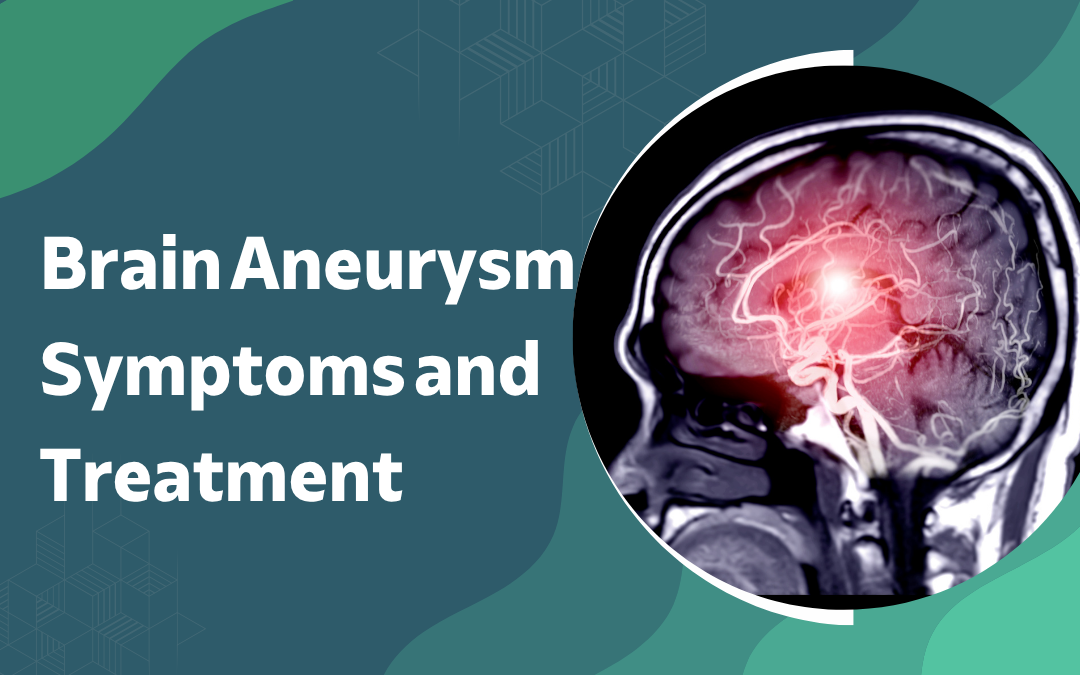
A brain aneurysm is a weak spot in a cerebral artery wall that balloons outward under blood pressure. Most people don’t know they have one. When it ruptures, blood floods the space around the brain and the situation becomes immediately life-threatening. The symptoms, causes, and treatment options look very different depending on whether the aneurysm has ruptured or not.
According to Dr. Gurneet Singh Sawhney, a specialist in Brain Tumor Surgery in Mumbai, A ruptured brain aneurysm is one of the few neurosurgical emergencies where the window between presentation and treatment directly determines whether the patient survives and with what level of function.
Sudden severe headache with no clear cause that needs investigating?
What Are the Symptoms and Causes of a Brain Aneurysm?
Ruptured and unruptured aneurysms present completely differently. Knowing which is which determines how fast someone needs to move.
Ruptured aneurysm symptoms: Patients describe it as the worst headache of their life, hitting maximum intensity within seconds. What follows varies — nausea, neck stiffness, sensitivity to light, sometimes unconsciousness.
Unruptured aneurysm symptoms: Most cause nothing. A larger one pressing on nearby structures can produce pain behind one eye, a drooping eyelid, or a dilated pupil, but these are the exception.
Modifiable risk factors: Smoking, poorly controlled blood pressure, and heavy alcohol use are the three that come up consistently. Sorting these out reduces both growth rate and rupture risk in patients being monitored.
Non-modifiable risk factors: Being female, age over 40, a close family member with an intracranial aneurysm, polycystic kidney disease, and certain connective tissue disorders all raise the baseline risk without anything the patient can do about them.
Not every unruptured aneurysm gets treated. The decision comes down to size, location, age, and how many other health problems the patient has. For patients with severe headache and neurological features, the thunderclap headache blog covers the emergency workup.
How Is a Brain Aneurysm Diagnosed?
Treatment depends on whether the aneurysm has ruptured, where it sits, what it looks like anatomically, and how fit the patient is. There is no single right answer that applies to everyone.
Surgical clipping: A craniotomy is performed, the aneurysm is accessed directly, and a titanium clip is placed across the neck. Blood flow into the sac stops permanently. It’s the most durable option, especially for aneurysms of the middle cerebral artery.
Endovascular coiling: Platinum coils are fed through a catheter from the groin into the aneurysm. They pack the sac, trigger clotting, and cut off circulation to it. Less invasive, shorter recovery, and the better option for most aneurysms at the back of the brain.
Flow diversion: A mesh stent placed across the aneurysm neck redirects blood past it. The sac slowly clots off over weeks. Reserved for large or giant aneurysms where coiling alone won’t work.
Conservative management: Some small unruptured aneurysms in older patients aren’t treated at all. Regular imaging, keeping blood pressure controlled, and stopping smoking are what the management consists of. For patients with associated brain pathology, brain tumor signs covers how structural lesions present alongside vascular findings.
Choosing between clipping and coiling is never a single-clinician decision. Anatomy, patient age, and the team’s experience all go into it.
What Are the Treatment Options for a Brain Aneurysm?
Treatment depends on whether the aneurysm has ruptured, where it sits, what it looks like anatomically, and how fit the patient is. There is no single right answer that applies to everyone.
Surgical clipping: A craniotomy is performed, the aneurysm is accessed directly, and a titanium clip is placed across the neck. Blood flow into the sac stops permanently. It’s the most durable option, especially for aneurysms of the middle cerebral artery.
Endovascular coiling: Platinum coils are fed through a catheter from the groin into the aneurysm. They pack the sac, trigger clotting, and cut off circulation to it. Less invasive, shorter recovery, and the better option for most aneurysms at the back of the brain.
Flow diversion: A mesh stent placed across the aneurysm neck redirects blood past it. The sac slowly clots off over weeks. Reserved for large or giant aneurysms where coiling alone won’t work.
Conservative management: Some small unruptured aneurysms in older patients aren’t treated at all. Regular imaging, keeping blood pressure controlled, and stopping smoking are what the management consists of. For patients with associated brain pathology, brain tumor signs covers how structural lesions present alongside vascular findings.
Choosing between clipping and coiling is never a single-clinician decision. Anatomy, patient age, and the team’s experience all go into it.
Why Choose Dr. Gurneet Singh Sawhney?
Dr. Gurneet Singh Sawhney is a cerebrovascular neurosurgeon with fellowship training from Japan and over 18 years of experience in both microsurgical clipping and endovascular management of brain aneurysms. His practice spans elective repair of unruptured aneurysms through emergency treatment of ruptured presentations, covering the full clinical range this condition demands.
Early specialist involvement is what changes outcomes in aneurysm surgery. The window between rupture and rebleed is narrow, and having the right team already briefed on the case is what fills it.
Diagnosed with a brain aneurysm and unsure what the next step should be?
Frequently Asked Questions
What are the warning signs of a brain aneurysm?
A sudden severe headache unlike any before is the most critical warning sign of rupture. Unruptured aneurysms may cause eye pain, vision changes, or a dilated pupil on one side.
How is a brain aneurysm diagnosed?
CT scan is the first-line test for suspected rupture. MRI and CT angiography detect and characterise unruptured aneurysms. Lumbar puncture confirms bleeding when CT is negative.
What is the difference between clipping and coiling for brain aneurysm?
Surgical clipping places a metal clip at the aneurysm neck via craniotomy and is the most durable option. Endovascular coiling is less invasive and uses platinum coils to block blood flow into the aneurysm.
Can an unruptured brain aneurysm be left untreated?
Small unruptured aneurysms with low rupture risk are sometimes monitored. The decision depends on size, location, patient age, and risk factors like smoking and hypertension.
What increases the risk of a brain aneurysm rupturing?
Size above 7mm, posterior circulation location, smoking, uncontrolled hypertension, and prior subarachnoid haemorrhage are the main factors associated with increased rupture risk.
Disclaimer: The information shared in this content is for educational purposes only and not for promotional use.