
What Is Carpal Tunnel Syndrome and Who Needs Surgery?
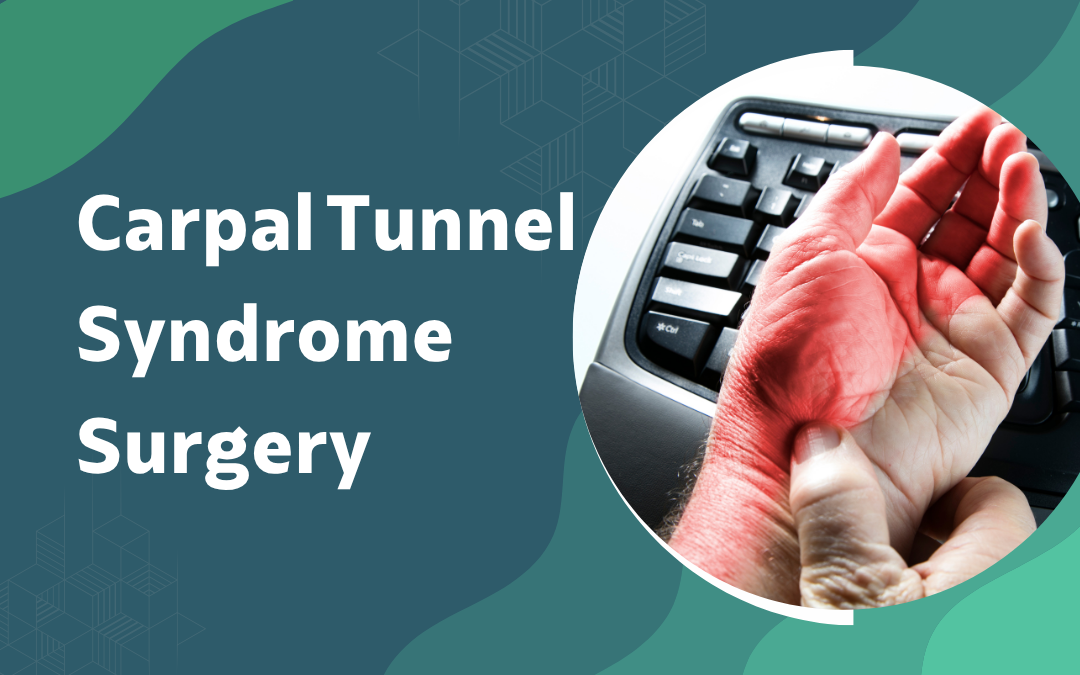
Carpal tunnel syndrome is compression of the median nerve at the wrist. The nerve supplies sensation to the thumb, index, middle and half the ring finger, and motor power to the thumb muscles. When the tunnel narrows, the nerve gets squeezed. Tingling, numbness and...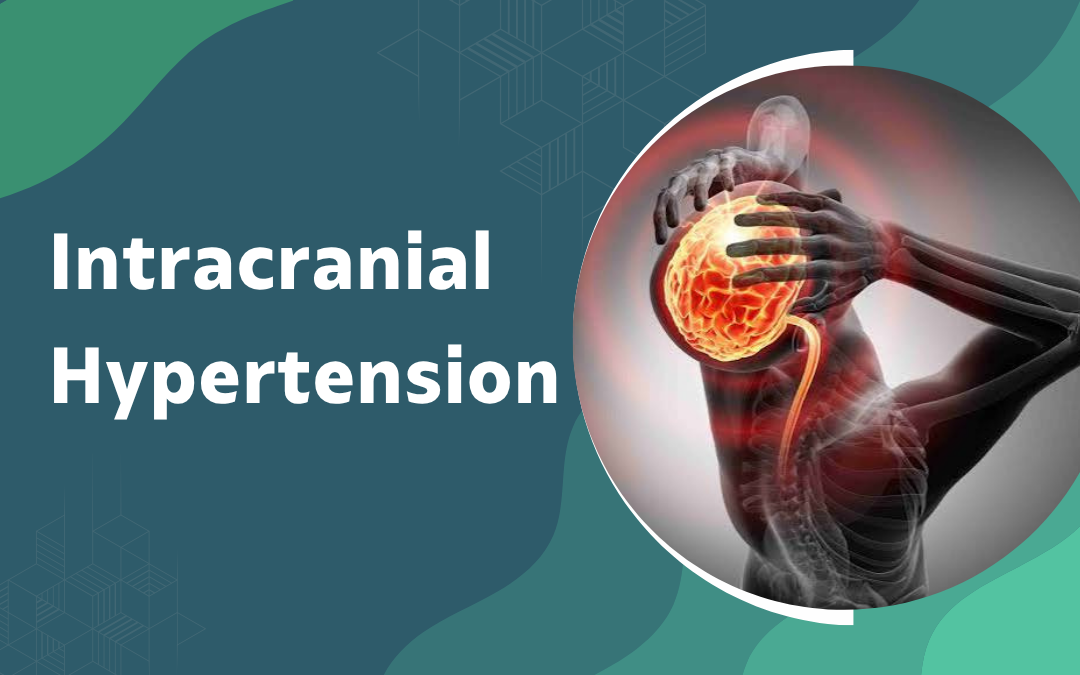
What Is Intracranial Hypertension and How Is It Treated?
Intracranial hypertension. Raised pressure inside the skull that has no room to give. Brain tissue swells, CSF backs up, blood volume rises, and the pressure climbs with it. Trauma, haemorrhage, infection, or no identifiable cause at all. The damage it does to the...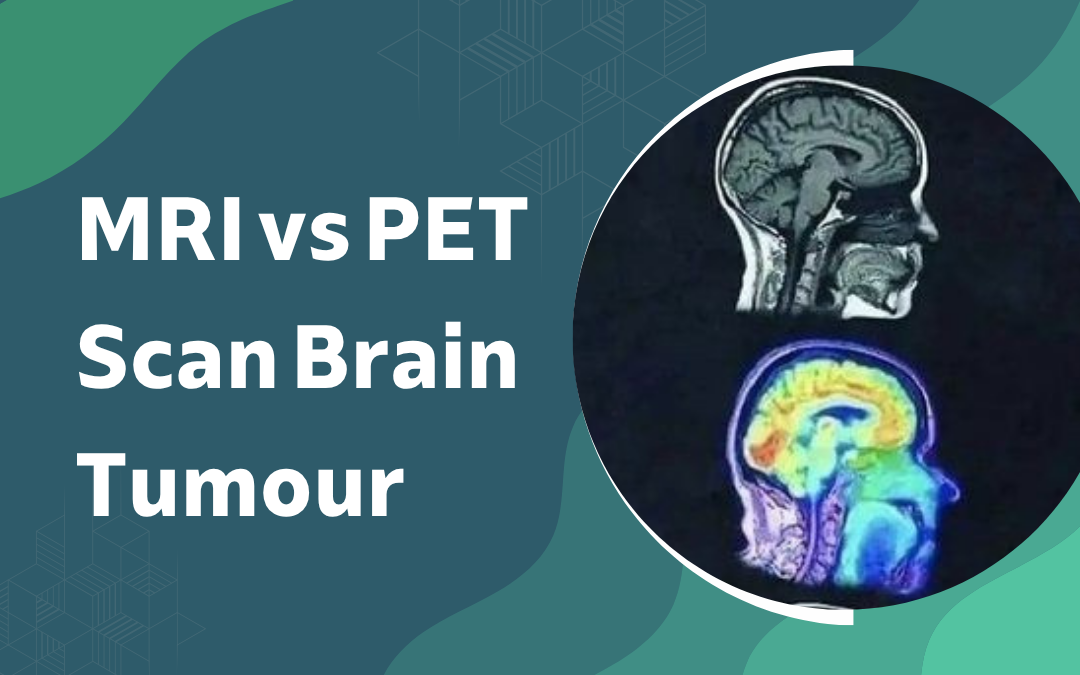
MRI vs PET Scan: Which Is Better for Brain Tumours?
Neither is universally better. MRI is the first investigation and the one that drives surgical planning. PET follows when the question shifts from where the tumour is to how metabolically active it is, or whether a change on post-treatment imaging represents...