

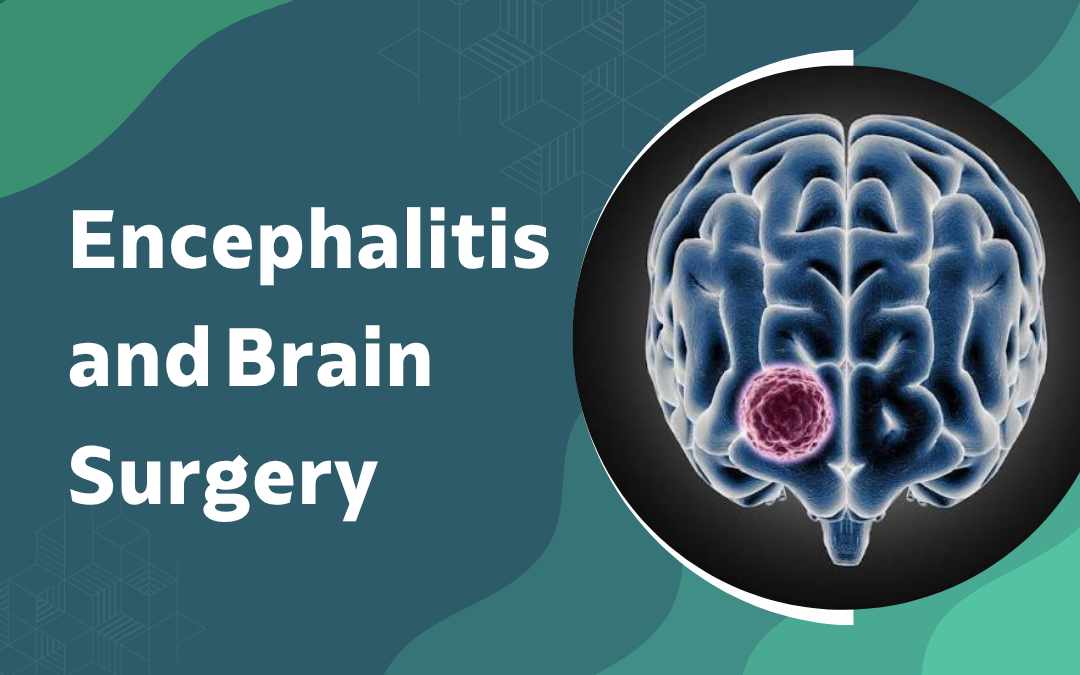
Encephalitis is inflammation of the brain itself, not the surrounding membranes. Most cases are managed medically in intensive care. Surgery enters the picture only when specific complications develop haemorrhage, abscess or brain swelling that no drug can reverse.
According to Dr. Gurneet Singh Sawhney, a leading neurosurgeon in mumbai, encephalitis reaches a surgeon in one of two situations. Acutely, when something structural breaks down that cannot be managed medically. Or years down the line, when the seizures the scarring left behind finally exhaust every medication available.
New or worsening neurological symptoms, altered consciousness or seizures needing specialist review?
What Is Encephalitis and What Causes It?
Two categories. Different causes. Completely different treatment pathways.
Viral encephalitis: herpes simplex is the most dangerous and most common sporadic cause. Temporal lobes. Confusion, seizures, fever. Up to 70 percent mortality untreated. IV acyclovir started immediately is what changes that number.
Autoimmune encephalitis: immune attack on brain proteins, most commonly NMDA receptors. Weeks of psychiatric symptoms, memory loss and seizures. Immunotherapy, not antivirals. Frequently admitted under psychiatry before the diagnosis is even considered.
Symptoms: altered consciousness, new seizures, fever and focal neurological deficit. The combination and how fast it develops are what separate causes and guide the workup.
Diagnosis: MRI, CSF, viral PCR, antibody panels. Each answers a different question. None can be dropped from the workup.
Surgery is not the response to the encephalitis. Brain surgery responds to what the encephalitis has already done to the brain.
When Does Encephalitis Require Surgical Intervention?
Surgery here is never about the encephalitis. It is about what the encephalitis has done.
Haemorrhage: HSV encephalitis can destroy temporal lobe tissue haemorrhagically. When the resulting mass effect threatens herniation, the haematoma comes out surgically.
Brain abscess: bacterial or fungal encephalitis can wall off into an abscess. At that point the capsule blocks antibiotic penetration. Drainage is the only option that works.
Decompressive craniectomy: when swelling exhausts osmotherapy, sedation and ICP monitoring without yielding, removing part of the skull is what keeps the brainstem from herniating. Last resort. Sometimes the only one left.
Post-encephalitic epilepsy: HSE scars the temporal lobe. That scar drives seizures for years. When those seizures are medically refractory, they enter the same epilepsy surgery pathway as any other drug-resistant focal epilepsy.
The surgical decision follows the complication, not the diagnosis. This guide on drug-resistant epilepsy surgery covers what the pathway looks like for post-encephalitic epilepsy that reaches the threshold for surgical consideration.
Why Choose Dr. Gurneet Singh Sawhney?
Dr. Gurneet Singh Sawhney trained in Japan. Over 18 years managing the neurosurgical end of encephalitis, from acute haematoma evacuation and decompressive craniectomy through to epilepsy surgery years after the original illness.
Most patients with encephalitis never see a neurosurgeon. The ones who do arrive at two very different points: mid-crisis when something structural has gone wrong, or years later when seizures have outlasted every drug tried. Each scenario needs a surgeon who reads the scan in the context of what the disease actually did, not just what is visible on the image today.
Frequently Asked Questions
Is encephalitis the same as meningitis?
No, encephalitis is inflammation of the brain parenchyma; meningitis affects the surrounding membranes.
What is the most common cause of viral encephalitis?
Herpes simplex virus type 1 is the most common cause of sporadic viral encephalitis worldwide.
Does encephalitis always need surgery?
No, most encephalitis is treated medically; surgery is only needed for specific complications.
Can encephalitis cause permanent epilepsy?
Yes, especially after herpes simplex encephalitis, which frequently causes drug-resistant temporal lobe epilepsy.
Disclaimer: The information shared in this content is for educational purposes only and not for promotional use.