

TL;DR
Exercises won’t cure trigeminal neuralgia, but gentle facial relaxation, slow neck stretches, and low-impact activity may ease pain for some people. They work by lowering muscle tension, reducing stress, and calming nerve sensitivity. Start slow and avoid anything that triggers an attack. Exercise supports medical treatment, it doesn’t replace it. Always combine it with specialist care.
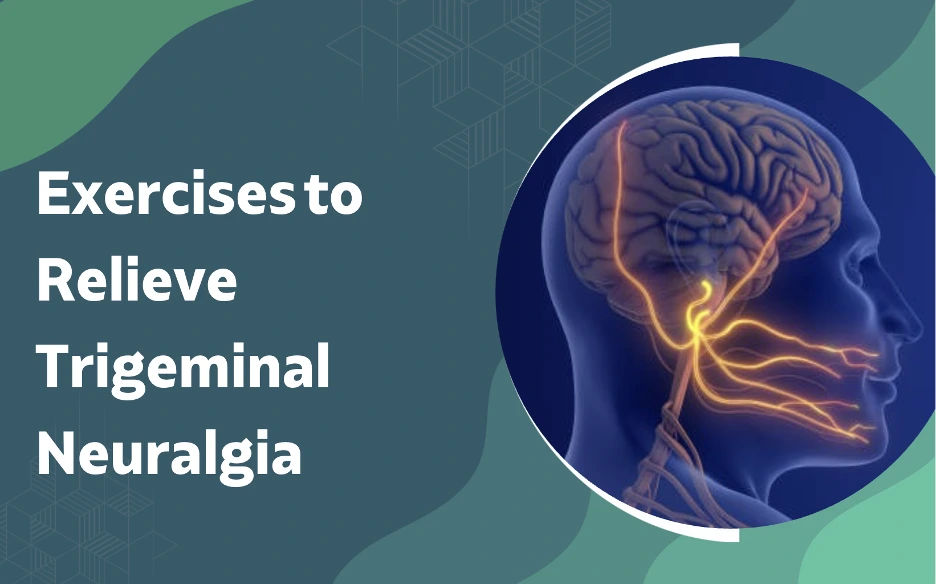
Exercises to relieve trigeminal neuralgia focus on calming the facial nerves and easing the muscle tension that can worsen attacks. Gentle stretching, relaxation techniques, and low-impact activity may lower pain intensity for some people. They work by reducing stress, releasing endorphins, and easing pressure around the trigeminal nerve. Used alongside Trigeminal Neuralgia Treatment in Mumbai, they can support better day-to-day comfort.
Trigeminal neuralgia causes sudden, electric-shock-like pain across one side of the face. Triggers like chewing, talking, or even a light touch can set off an attack. Exercise can’t switch the condition off, but the right movements, done carefully, may take the edge off and help you feel more in control.
Dr. Gurneet Singh Sawhney, Neurosurgeon in Mumbai, explains that exercise plays a supporting role, not a starring one.
“Gentle movement and relaxation can genuinely help some patients feel calmer and less reactive. But trigeminal neuralgia is a nerve condition. Exercise complements treatment. It never replaces a proper diagnosis and the right medical or surgical plan.”
Which Exercises May Help Relieve Trigeminal Neuralgia?

No exercise cures trigeminal neuralgia, but a few gentle techniques may ease pain by lowering tension and calming nerve sensitivity. Move slowly, and stop the moment anything triggers pain.
Facial Relaxation
Slowly relax the muscles of the face and jaw, one area at a time. Letting the cheeks, jaw, and forehead go soft can reduce the muscle tightness that often builds around chronic facial pain.
Gentle Neck Stretches
The trigeminal nerve sits close to the upper neck, so tension there can make symptoms worse. Slow, careful neck stretches with relaxed shoulders may loosen these muscles and offer some facial relief.
Low-Impact Aerobic Activity
Walking, swimming, or light cycling releases endorphins, the body’s natural painkillers, and lowers stress. Research suggests moderate aerobic activity may reduce pain intensity in some people with the condition.
Breathing and Stress Reduction
Stress is a known pain amplifier. Slow breathing, progressive muscle relaxation, and gentle yoga can calm the nervous system and may reduce how often or how sharply attacks strike.
If movement keeps triggering attacks, that itself is useful information. Specialised Functional Neurosurgery in Mumbai can pinpoint why the nerve is so reactive and what will actually help.
Tired of Facial Pain Ruling Your Day?
A proper evaluation by an experienced neurosurgeon can clarify what’s driving your trigeminal neuralgia and which approach will give you real relief.
How Exercise Helps and What to Avoid

Exercise can take the edge off trigeminal neuralgia, but only when done the right way. Understanding how it helps, and where it can backfire, keeps you safe.
Why Gentle Movement Works
Low-impact activity reduces inflammation around irritated nerves and releases endorphins that dull pain signals. Some researchers believe gentle movement also calms the overactive nerve fibres behind the sharp, shooting attacks.
The Stress and Tension Link
Stress and clenched facial muscles can intensify pain. Relaxation-based exercise lowers both, which is often why people feel calmer and less reactive after a steady routine.
Movements to Avoid
Skip anything that strains or jolts the face. Forceful jaw exercises, heavy lifting that tightens the neck, and fast head movements can all set off an attack. If a movement hurts, stop. There’s no benefit in pushing through.
When Exercise Isn’t Enough
For many patients, exercise simply softens symptoms rather than solving them. When pain is severe or constant, definitive options like microvascular decompression or other procedures matter far more. The Mayo Clinic notes that medication and surgery remain the mainstays of treatment.
When self-care stops working, expert review is the next step. You may also find our blog on Life Expectancy After Spinal Fusion useful for understanding how nerve and spine conditions are managed long term.
Self-Care Not Bringing Relief?
A detailed assessment can identify the cause of your facial pain and the safest path to lasting comfort. Consult Dr. Gurneet Singh Sawhney for a personalised plan.
When Should You See a Neurosurgeon for Trigeminal Neuralgia?
Exercise and self-care help some people, but certain signs mean it’s time for specialist evaluation. Early review prevents pain from taking over daily life.
Patients should consider seeing a neurosurgeon when:
- Facial pain is severe, frequent, or no longer responds to medication
- Attacks are triggered by light touch, eating, or speaking
- Pain spreads or affects both sides of the face
- Medication side effects become hard to tolerate
- Daily activities like eating, talking, or sleeping are disrupted
According to research summarised by the National Institutes of Health, early and accurate diagnosis improves outcomes in facial pain conditions. For complex or treatment-resistant cases, a second opinion from the Best Neurosurgeon in India can clarify whether procedures like microvascular decompression are appropriate.
Dr. Gurneet Singh Sawhney, Neurosurgeon in Mumbai, emphasises that lasting relief starts with the right diagnosis.
“Many patients spend years managing trigeminal neuralgia with exercises and tablets alone. When pain breaks through despite that, surgery can be life-changing. The key is not waiting until the pain has taken everything from you.”
Why Choose Dr. Gurneet Singh Sawhney for Trigeminal Neuralgia Care?

Dr. Gurneet Singh Sawhney is a nationally recognised neurosurgeon trained in functional neurosurgery and microvascular decompression, the gold-standard procedure for trigeminal neuralgia. He uses neuronavigation and minimally invasive techniques to relieve nerve compression with precision and lasting results. His expertise earned him the “Most Preferred Top Neurosurgeon in Mumbai” honour at the Golden Aim Awards 2021.
Patients reach him at NeuroLife Brain & Spine Clinic in Mulund West and at Fortis Hospital Mulund, where he also treats international patients travelling for advanced facial pain care. With clinics across Chembur, Sion, and Vashi, expert review is accessible across Mumbai.
Ready to End the Cycle of Facial Pain?
If exercises and medication aren’t enough, consulting an experienced neurosurgeon can help you find a lasting solution.
Frequently Asked Questions
Can exercises cure trigeminal neuralgia?
No. Exercises may ease pain and stress but cannot cure the condition or replace medical treatment.
Which exercises are safest for trigeminal neuralgia?
Gentle facial relaxation, slow neck stretches, and low-impact activity like walking are usually the safest options.
Can exercise make trigeminal neuralgia worse?
Yes. Forceful jaw movements, straining, or fast head motions can trigger attacks and should be avoided.
Does walking help trigeminal neuralgia pain?
It can. Low-impact aerobic activity releases endorphins and lowers stress, which may reduce pain intensity.
When is surgery needed for trigeminal neuralgia?
When pain is severe or no longer responds to medication, procedures like microvascular decompression may be considered.
Reference:
- Mayo Clinic —Trigeminal Neuralgia: https://www.mayoclinic.org/diseases-conditions/trigeminal-neuralgia/symptoms-causes/syc-20353344
- NIH / NCBI — Facial pain diagnosis and management: https://www.ncbi.nlm.nih.gov/pmc/articles/PMC8247074/
Disclaimer: The information shared in this content is for educational purposes only and not for promotional use.