

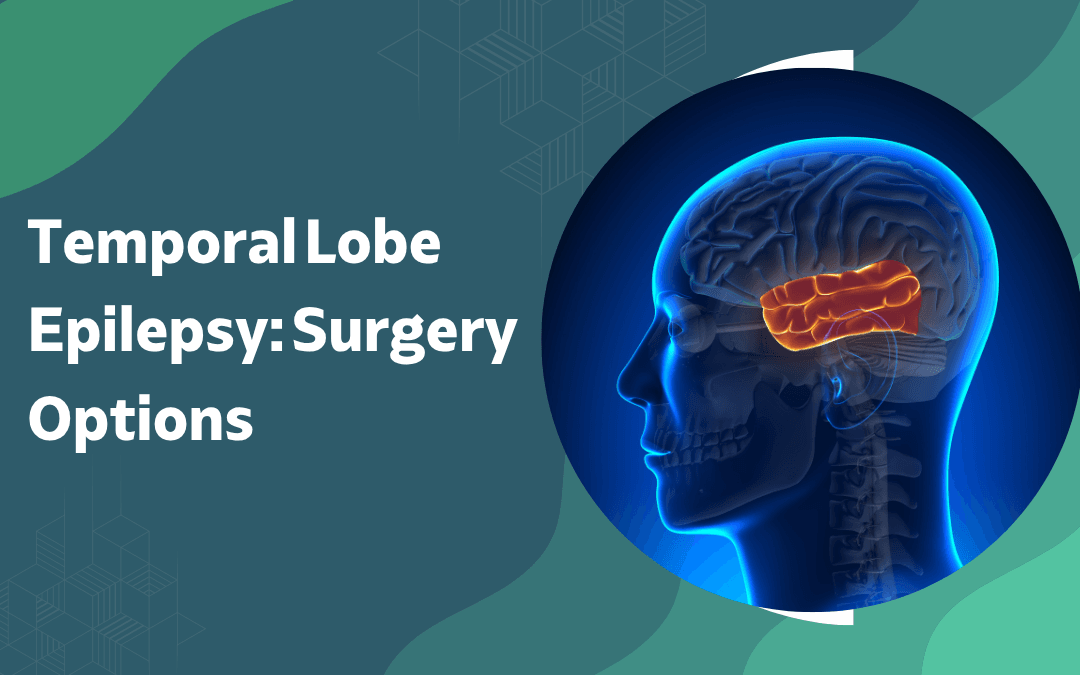
Temporal Lobe Epilepsy: Symptoms and Surgical Options
Temporal lobe epilepsy is the most common focal-onset epilepsy in adults and the most frequent indication for epilepsy surgery worldwide. Up to 40% of patients don’t achieve adequate control on antiepileptic drugs alone. Temporal lobe resection carries the...
What Is the Ketogenic Diet for Epilepsy?
The ketogenic diet shifts the brain’s fuel source from glucose to ketone bodies, reducing seizure frequency. It’s been used in epilepsy management for over a century and remains one of the most evidence-backed non-surgical options for drug-resistant...
Thoracic Disc Herniation: Why It’s Harder to Diagnose?
Both grade 3 and grade 4 brain tumors are classified as high-grade malignancies under the WHO system, meaning both grow rapidly, infiltrate surrounding tissue, and require aggressive multimodal treatment but they aren’t the same disease. Grade 3 tumors, such as...