
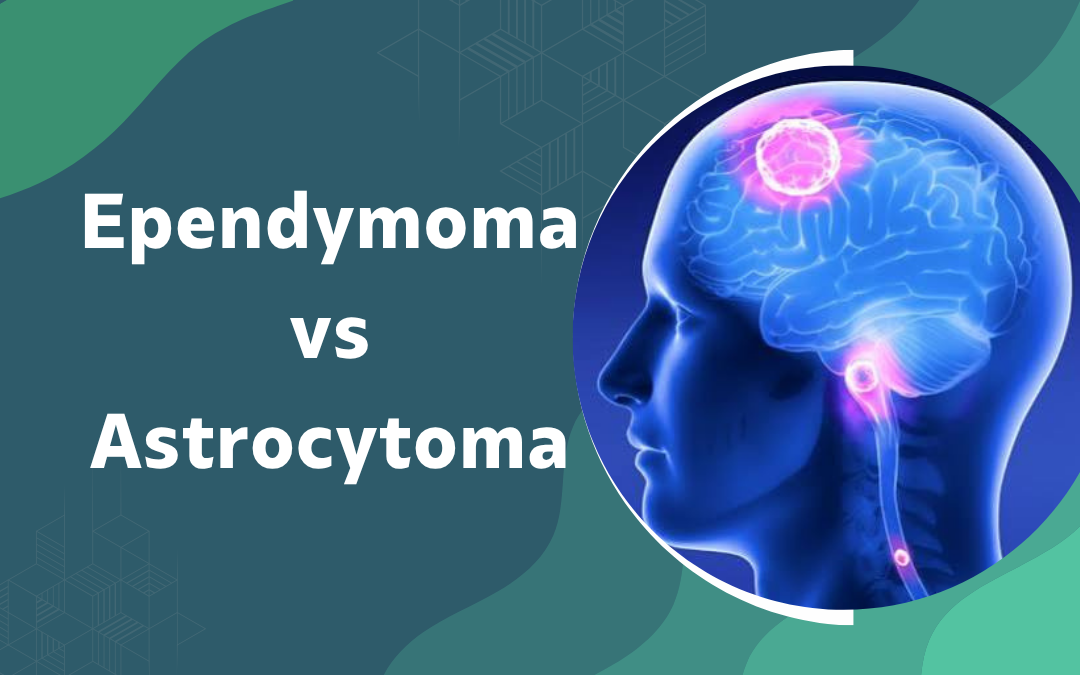
Two brain tumours. Both glial. Both treated with surgery first. After that, the paths diverge significantly. Ependymoma stays local, responds to focal radiotherapy, rarely needs chemotherapy. Astrocytoma spans grade 1 to grade 4, and at the high end, chemotherapy is not optional. The grade is what drives everything. A grade 2 ependymoma and a grade 4 astrocytoma need completely different treatment plans, different timelines and carry very different prognoses.
According to Dr. Gurneet Singh Sawhney, a leading neurosurgeon in Mumbai, the grade and the molecular markers matter far more than the tumour name. People hear ependymoma and assume the worst. People hear astrocytoma and assume something manageable. Both assumptions fail without knowing the grade first.
Brain tumour diagnosis confirmed and treatment plan not yet clear?
How Does Ependymoma Treatment Differ From Astrocytoma?
Same starting point. Very different destinations. The differences become clear the moment surgery is over and the pathology comes back.
Surgery: both need maximal safe resection, but complete removal is more decisive in ependymoma. A gross total resection can sometimes eliminate the need for adjuvant treatment entirely. In astrocytoma, surgery alone is rarely the end of it.
Radiotherapy: ependymoma gets targeted radiation to the tumour site only. High-grade astrocytoma receives radiation and chemotherapy simultaneously from the first day of treatment.
Chemotherapy: central to high-grade astrocytoma treatment from the start. In ependymoma, rarely used in adults unless the tumour returns.
Molecular markers: astrocytoma has specific genetic markers that predict treatment response and survival. Ependymoma has different markers that mainly guide prognosis rather than change treatment.
Complete resection shapes everything that follows. That is where brain tumor surgery planning for both tumours begins and where the divergence in treatment really starts.
What Determines Prognosis in Each Tumour?
Grade is the starting point. Molecular profile refines it. Location and resection completeness do the rest.
Ependymoma grade: grade 1 subependymoma. Often found incidentally. Excellent prognosis. Grade 3 anaplastic ependymoma is a different disease entirely, needs surgery and radiotherapy without delay.
Astrocytoma grade: pilocytic astrocytoma in a child, surgery alone often curative. Glioblastoma at the other end, 14 to 16 months median survival with the best treatment available. That is the range.
IDH mutation: IDH-mutant astrocytomas live longer and respond better to treatment than IDH-wildtype. Nothing equivalent exists in ependymoma with the same prognostic weight.
Resection extent: matters in both, but the survival benefit of complete removal is larger in ependymoma. Complete excision of a spinal ependymoma can produce long-term control without any further treatment at all.
Neither tumour is a single disease. They are both families of conditions that share a name. This guide on types of malignant brain tumours covers the full classification and what grade actually means for treatment and prognosis.
Why Choose Dr. Gurneet Singh Sawhney?
Dr. Gurneet Singh Sawhney trained in Japan and has spent over 18 years operating on both ependymomas and astrocytomas across every grade. Low-grade lesions. High-grade gliomas. Spinal cord tumours. The full range.
Patients arrive with the diagnosis and very little else. The grade, the molecular report, what the resection achieved and what comes next, that is the conversation that actually needs to happen. It is also the one that needs to happen with someone who has operated on the specific tumour type, not just read about it.
Frequently Asked Questions
Is ependymoma more dangerous than astrocytoma?
It depends entirely on grade; both can range from manageable to aggressive.
Does ependymoma need chemotherapy?
Not usually; chemotherapy is mainly used for children with ependymoma or for recurrent cases.
What is the Stupp protocol for astrocytoma?
Surgery followed by radiotherapy with daily temozolomide, then adjuvant temozolomide for six cycles.
Can a low-grade astrocytoma be cured with surgery alone?
A pilocytic astrocytoma, the most common low-grade type, is often cured by surgery alone.
Disclaimer: The information shared in this content is for educational purposes only and not for promotional use.