
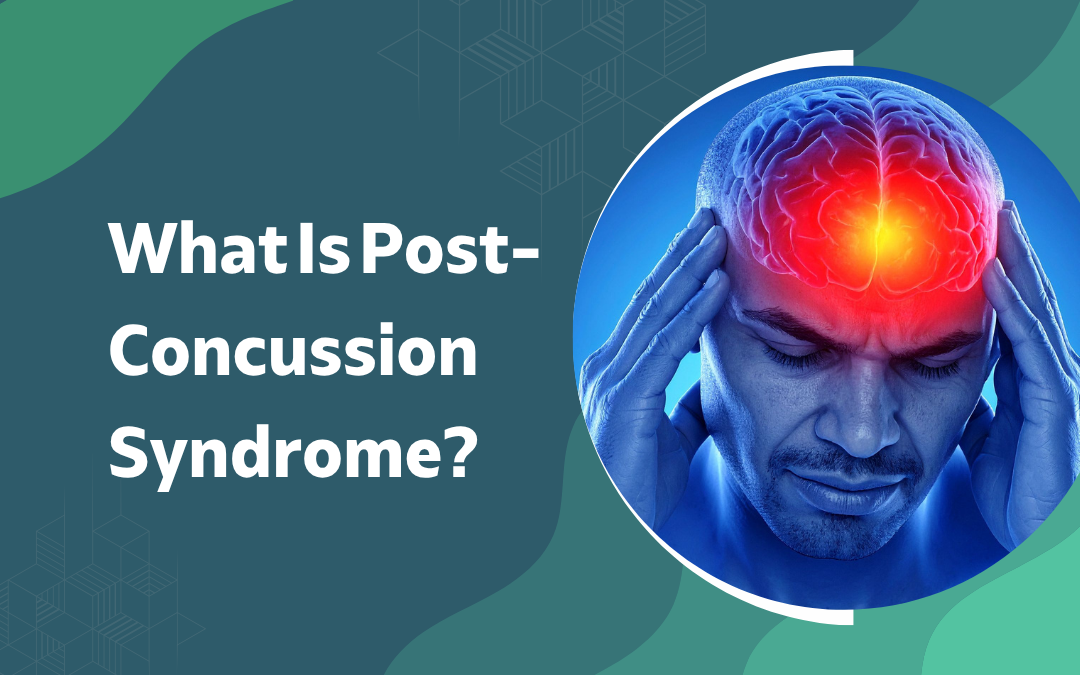
Post-concussion syndrome is when concussion symptoms refuse to clear up on schedule. They should settle in a week or two. With this lot, they don’t, they linger for weeks, sometimes months. Headaches. Brain fog. Dizziness, mood dips, sleep that won’t behave. No single pill fixes it. You rest a little, ease back into life bit by bit, and tackle the symptoms hitting hardest first. Most people do make a full recovery.
According to Dr. Gurneet Singh Sawhney, a leading neurosurgeon in mumbai, people see a normal scan and assume they’re imagining it, but normal just means the fault is in how the brain is running, not how it’s built. Rule out the dangerous stuff first, and after that it’s mostly patience and the right rehab.
symptoms still hanging around weeks on?
What Does Post-Concussion Syndrome Feel Like?
The symptoms don’t line up neatly. They cluster around headache, balance, thinking and mood, and they bleed into each other.
Headache: far and away the most common one, tension-type or migraine-ish, and screens or pushing too hard will flare it fast
Dizziness: that floaty, ground-tilting feeling, it’s the vestibular system misfiring, and weirdly it’s one of the easier bits to fix
Fog: can’t concentrate, thinking feels like wading, and the short-term memory keeps dropping things, so work turns exhausting
Mood: short fuse, low days, jittery nerves, broken sleep, all of it looping back and making the rest worse
No two patients present the same combination of symptoms, so a standard plan rarely works. A proper specialist assessment begins by identifying which symptoms are driving the problem.
How Is Post-Concussion Syndrome Treated?
There’s no one fix. You match the therapy to the symptom, and you build back slowly.
Rule out: first a scan, to be sure there’s no bleed or anything that’d actually need brain surgery, because the concussion itself leaves nothing to see
Graded return: a short rest, then back to life in small steps, since sitting in a dark room for weeks only makes it linger
Targeted therapy: vestibular drills for the dizziness, vision work for the eye strain, cognitive rehab to clear the fog
Mood and sleep: sort the anxiety, the low mood, the wrecked sleep, and the whole thing often eases, since they crank everything else up
And light, sub-symptom exercise genuinely aids recovery; the old advice to rest completely no longer holds. If the symptoms drag on, this guide to theearly symptoms of neurological disorders is worth a read for knowing what to take to a doctor.
Why Choose Dr. Gurneet Singh Sawhney?
Dr. Gurneet Singh Sawhney trained in neurosurgery and head-injury care in Japan, and he’s spent more than 18 years reading brain trauma, the bleeds that need an operation and the concussions that just need the right plan. Sorting one from the other is the first thing he does.
Most people with stubborn concussion symptoms come good, given time and a sensible plan. The dread is usually bigger than the problem. A clean scan is a green light, not a wall. Brains heal this, when you let them.
Frequently Asked Questions
How long does post-concussion syndrome last?
Usually a few weeks to a few months, though some people take longer.
Does a normal brain scan rule it out?
No, concussion leaves nothing structural, so the scan usually looks normal.
Is total rest the best treatment?
No, a little rest then easing back beats lying still for weeks.
Does it ever need surgery?
No, it’s handled with rest, graded activity and symptom-targeted therapy, not surgery.
Disclaimer: The information shared in this content is for educational purposes only and not for promotional use.