

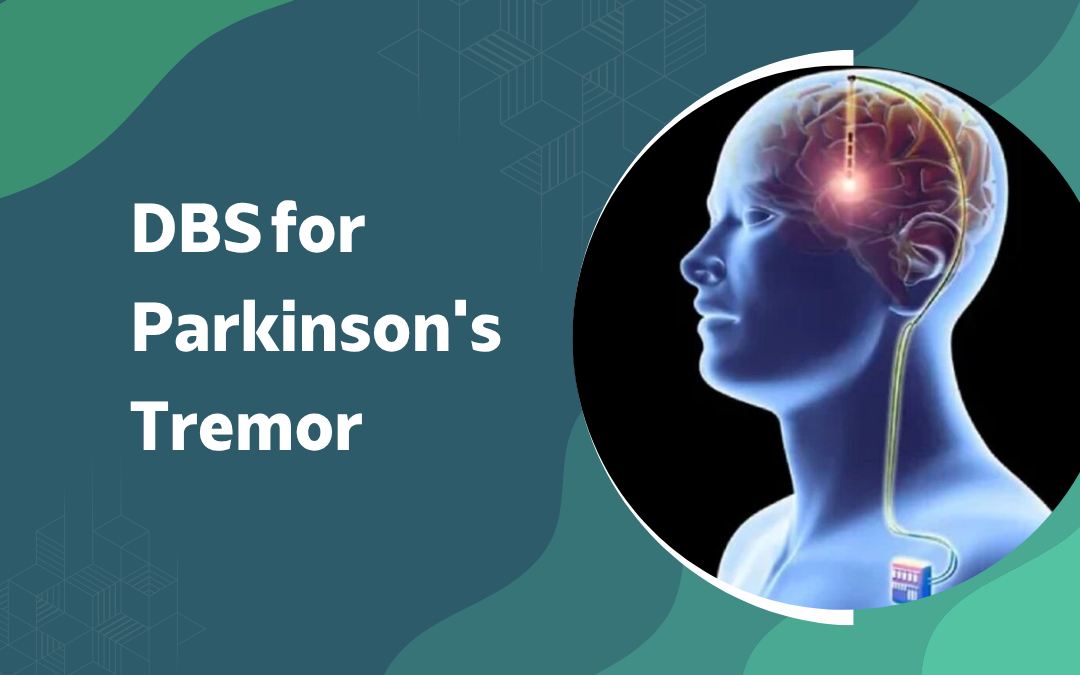
DBS surgery doesn’t stop Parkinson’s tremors completely, but it reduces them sharply in most patients. Deep brain stimulation sends steady electrical pulses into the movement-control regions of the brain, settling the abnormal signals that drive shaking. Tremor happens to be one of the symptoms that responds best to stimulation. The procedure won’t halt disease progression, and dopamine-producing cells keep declining either way. What changes is the tremor itself, often by a wide margin, and that improvement can hold for years rather than months.
According to Dr. Gurneet Singh Sawhney, one of the best neurosurgeon in Mumbai, the tremor usually quietens within seconds of turning the stimulator on, but I’m always clear with families that the device manages the shaking, it doesn’t reverse the disease underneath.
Medication no longer keeping the tremor in check?
How Does DBS Control Parkinson's Tremor?
DBS interrupts the irregular electrical activity in deep brain structures that generates Parkinsonian tremor.
Targets: the stimulation usually goes to the subthalamic nucleus or the thalamic VIM, and the pick depends on whether tremor or stiffness is the dominant complaint
Pulses: thin electrodes deliver continuous high-frequency current that overrides the faulty firing pattern sitting behind the shaking
Adjustable: settings get tuned over several weeks, so the response isn’t locked in and can be pushed higher if tremor creeps back
Reversible: no brain tissue gets destroyed, which means the whole system can be switched off or taken out later if it stops suiting the patient
So the tremor benefit tends to be the most dependable result, more than its effect on slowness or rigidity. Patients with disabling shaking are often the best fit for DBS surgery.
Who Qualifies For Tremor Control Through DBS?
Candidacy rests on tremor severity, levodopa response, and overall neurological condition.
Response: patients whose tremor still eases with levodopa usually do well, because that response predicts how the brain reacts to stimulation
Severity: shaking that wrecks eating, writing or holding a cup despite proper medication is a common trigger for Parkinson’s surgery
Cognition: thinking and memory get checked first, since meaningful decline can turn the operation into a poor choice
Timing: there’s a window where benefit peaks, generally before balance trouble takes over or the disease has run too far
And not every tremor patient needs an operation, plenty stay steady on tablets for years. For anyone weighing it up, this guide on what stage of Parkinson’s suits DBS lays out who actually qualifies.
Why Choose Dr. Gurneet Singh Sawhney?
Dr. Gurneet Singh Sawhney is a functional neurosurgeon with fellowship training from Japan and over 18 years of experience in deep brain stimulation. His expertise spans stereotactic targeting, lesioning and stimulator programming, the technical foundation of effective tremor surgery.
Patients treated for tremor-dominant Parkinson’s frequently get back the small things, drinking, writing, dressing, without hands that won’t stay still. The goal was never a cure. It’s steady hands again.
Need a Second Opinion on Your Epilepsy Diagnosis in Mumbai?
Frequently Asked Questions
Does DBS surgery cure Parkinson's disease?
No, it controls symptoms like tremor but doesn’t stop the disease from progressing.
How much tremor reduction can DBS achieve?
Most patients see major tremor improvement, often the strongest single benefit of the procedure.
Is DBS surgery reversible?
Yes, the device can be switched off or removed without destroying brain tissue.
How long does tremor control last after DBS?
Tremor benefit usually holds for many years, though settings may need occasional adjustment.
Disclaimer: The information shared in this content is for educational purposes only and not for promotional use.