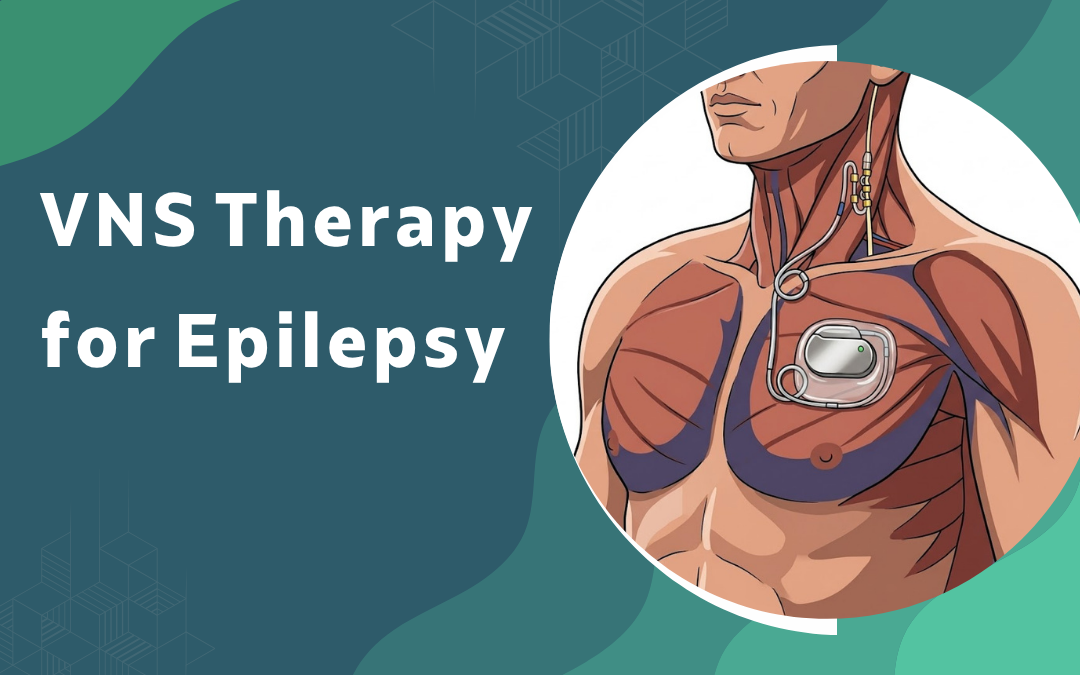
VNS therapy is an FDA-approved, non-drug, palliative treatment for drug-resistant epilepsy. An implanted device sends mild electrical pulses to the brain through the vagus nerve, which cuts down seizure frequency and severity. It’s meant for adults and kids aged four and up whose seizures don’t respond to medication. Breakthrough seizures despite two drugs, worsening intensity, longer recovery? Those are the signs.
According to Dr. Gurneet Singh Sawhney, VNS therapy in Mumbai, Once a patient fails two well-tolerated AEDs, a third one almost never works, and that’s when we start the VNS conversation instead of stacking more pills.
Still seizing despite the meds?
Who actually qualifies for VNS therapy?
The screening matters. A lot more than most people think.
- Drug-resistant: Two appropriate seizure medications, taken at proper doses, and you’re still having breakthrough events. That’s refractory epilepsy by definition, and that’s who VNS is built for.
- Non-surgical: Sometimes the seizure focus just won’t show up clearly on imaging, or it sits too close to areas controlling speech or movement. Resective surgery becomes too risky, so VNS steps in.
- Focal seizures: Best results show up in focal-onset epilepsy. But Lennox-Gastaut and a few generalised seizure types respond too, especially in older kids and adults.
- Comorbid depression: Patients dealing with both epilepsy and stubborn depression often get a double benefit. Because VNS happens to be FDA-cleared for treatment-resistant depression as well.
EEG, MRI, neuropsych testing, the whole pre-op workup gets done before epilepsy surgery in Mumbai is scheduled.
How does VNS therapy actually work?
Simpler than people imagine. And the recovery’s quicker too.
- Implant: A pulse generator about the size of a pacemaker goes under the skin near your collarbone. A thin lead wraps around the left vagus nerve through a small neck incision. That’s the setup.
- Activation: Device stays off for roughly two weeks after surgery. Then your neurologist switches it on at an outpatient visit and slowly turns up the stimulation across a few months.
- Magnet feature: A handheld magnet, swiped over the generator, fires off an extra burst of stimulation. Useful for aborting an aura before it turns into a full seizure.
- Battery: Generators run anywhere from one year to fifteen, depending on how the settings are programmed. Replacement is quicker than the first surgery because the same incision gets reopened.
About half the patients see real seizure reduction within four months. That number keeps climbing through the first two years. Worth a look at the neurosurgery procedure guides if you’re weighing other options too.
Why Choose Dr. Gurneet Singh Sawhney
Dr. Gurneet Singh Sawhney brings 15+ years in functional and epilepsy neurosurgery, with deep training in neuromodulation, VNS implantation, deep brain stimulation, and minimally invasive cranial work.
What patients keep mentioning is the honesty. Realistic numbers on seizure reduction, no inflated promises, and straight talk on what the device can and can’t do once it’s in.
FAQ's
Is VNS therapy a cure for epilepsy?
No. It’s an add-on that brings seizure frequency down, taken alongside your meds.
How long does VNS implant surgery take?
Roughly one to two hours, outpatient, done under general anaesthesia.
Can children receive VNS therapy?
Yes. FDA-approved from age four and up for drug-resistant focal epilepsy.
What are common side effects of VNS?
Mild hoarseness, throat tingling, sometimes a cough during stimulation. Usually fades in weeks.