

Recovering from a head injury and unsure how serious it really was?
How Is Traumatic Brain Injury Severity Measured?
Severity is measured using a combination of clinical scoring and imaging, since neither one alone tells the complete story.
- Glasgow Coma Scale: Eye opening, verbal response and motor response are each scored separately and added together, producing a single number that emergency teams use to make rapid treatment decisions within minutes of arrival.
- Mild Injury (GCS 13-15): Most patients remain alert and oriented, though brief confusion, headache or memory gaps around the event are common and don’t necessarily mean the injury is trivial.
- Moderate to Severe Injury (GCS 12 and below): confusion, reduced responsiveness or unconsciousness point to more significant brain involvement, and these patients almost always need a CT scan before anything else happens.
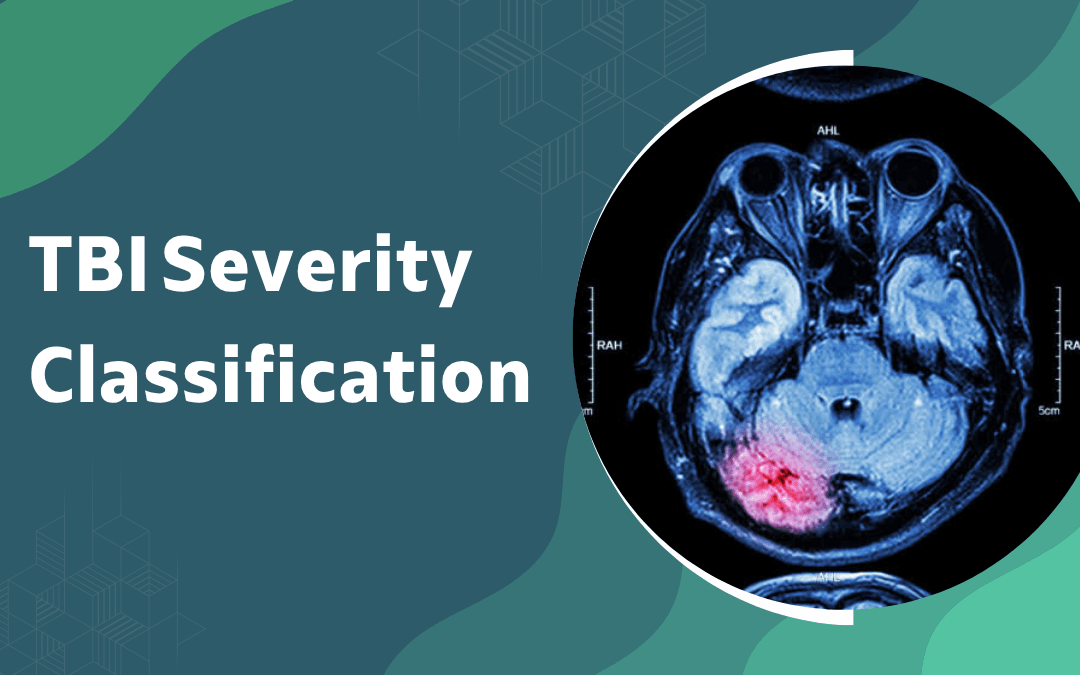
- Imaging Correlation: a CT scan showing bleeding, swelling or a skull fracture can upgrade the clinical severity of an injury even when the initial GCS score looked reassuring.
GCS alone was never meant to predict long-term outcome, which is why it’s paired with imaging rather than used in isolation. Score and scan, not score alone.
Once severity is confirmed, decisions about surgical intervention fall under general brain surgery protocols, ranging from close observation to emergency decompression.
What Happens After Traumatic Brain Injury Severity Is Classified?
Classification determines the pace and intensity of everything that follows, from monitoring to surgery.
- Mild Cases: most patients are observed for a period, given clear instructions on warning signs, and discharged once symptoms stabilize without needing surgical intervention at all.
- Moderate Cases: hospital admission for close neurological monitoring is standard, since a meaningful number of moderate injuries can deteriorate within the first 24 to 48 hours.
- Severe Cases: surgery may be required to relieve pressure or remove a blood clot, and patients often need intensive care support while swelling and pressure inside the skull are brought under control.
- Long-Term Recovery Support: patients with persistent cognitive or motor deficits after severe injury sometimes benefit from deep brain stimulation, which is occasionally considered once standard rehabilitation plateaus.
Outcomes after severe TBI vary widely, and the first 48 hours of monitoring often matter more than any single decision made afterward.
A broader look at how different brain and spine emergencies are managed is covered in neurotrauma surgery, including fractures and spinal cord involvement.
Why Choose Dr. Gurneet Singh Sawhney?
Dr. Gurneet Singh Sawhney brings 18 years of overall neurosurgical experience, including advanced fellowship training in functional neurosurgery and neuroendoscopy from Japan. Dr. Gurneet Singh Sawhney has managed traumatic brain injury across the full severity spectrum, from mild concussions requiring observation to severe injuries needing emergency decompression.
Patients whose severity is correctly classified early tend to avoid both under-treatment of a worsening bleed and unnecessary intervention for an injury that would have settled on its own. That distinction is where outcomes are actually won or lost.
Frequently Asked Questions
What GCS score counts as a severe brain injury?
A Glasgow Coma Scale score of 8 or below is severe.
Can a mild traumatic brain injury still cause lasting problems?
Yes, some patients develop persistent headaches, memory or concentration issues.
How soon after injury does severity classification happen?
Immediately, using the Glasgow Coma Scale at first medical contact.
Does every traumatic brain injury need a CT scan?
Not always, but moderate to severe injuries almost always require one.
Disclaimer: The information shared in this content is for educational purposes only and not for promotional use.