

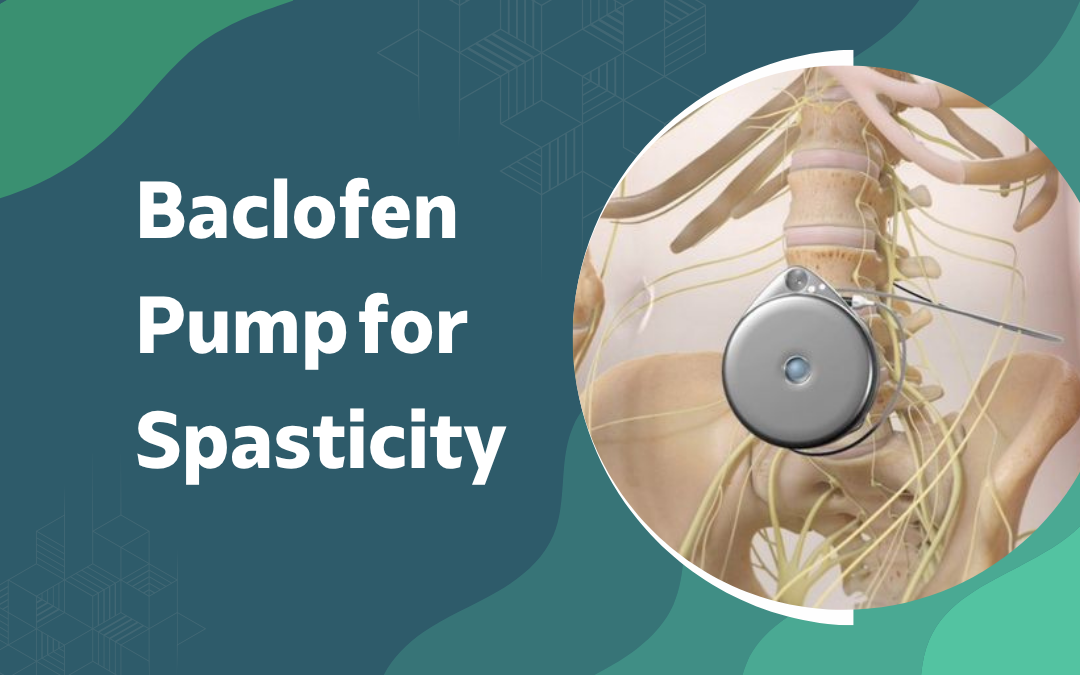
A baclofen pump treats spasticity by delivering the muscle relaxant straight into the fluid around the spinal cord, where it acts directly on the overactive nerve signals. A small programmable device sits under the abdominal skin, and a thin catheter delivers the drug into the intrathecal space. Because the medication reaches its target directly, the dose needed is a fraction of what tablets require. So the stiffness and spasms ease without the heavy drowsiness oral baclofen tends to cause. Adjustable, refillable, and fully reversible.
According to Dr. Gurneet Singh Sawhney, an experienced neurosurgeon in Mumbai, an oral tablet has to travel through the whole body to reach one set of muscles, which is why it so often leaves patients drowsy before it touches the stiffness. The pump drips a tiny dose straight into the fluid around the cord, so the spasticity settles while the mind stays clear.
Oral relaxants leaving you too drowsy to function?
How Does the Pump Deliver Baclofen?
Intrathecal delivery places a tiny amount of baclofen exactly where it works, in the cerebrospinal fluid surrounding the cord.
Device: a programmable pump about the size of a hockey puck sits beneath the abdominal skin and holds the drug reservoir
Catheter: a fine tube runs from the pump around to the spine, releasing baclofen straight into the intrathecal space at a set rate
Dosing: the flow gets programmed externally, so the rate can be raised or lowered as spasticity shifts without another operation
Refills: The reservoir is topped up through a needle every few months, and the battery lasts several years before it’s swapped
And because the drug never floods the bloodstream, the doses stay small, and the side effects stay quiet. A trial dose usually confirms the response before any spasticity treatment with a permanent pump goes ahead.
Who Benefits Most From a Baclofen Pump?
The pump suits people whose spasticity is severe and no longer manageable on oral medication.
Severity: stiffness or spasms strong enough to disrupt sitting, sleep, hygiene or transfers despite maximum tablets is the usual reason to consider it
Causes: spinal cord injury, multiple sclerosis, cerebral palsy and stroke are the conditions where functional neurosurgery most often turns to this option
Tolerance: Patients knocked flat by sedation or weakness on oral baclofen tend to do far better through the intrathecal route
Goals: sometimes the aim is easier caregiving and comfort rather than walking, and that’s a valid reason on its own
Not everyone with spasticity needs an implant, and milder cases stay well on tablets and physiotherapy. For the threshold where it becomes worth it, this guide on when spasticity needs a baclofen pump lays out the markers.
Why Choose Dr. Gurneet Singh Sawhney?
Dr. Gurneet Singh Sawhney trained in functional neurosurgery in Japan and has more than 18 years implanting and managing baclofen pumps alongside other movement and tone disorders. His work covers the trial, the implant and the long-term programming that keeps the dose right.
Patients who could barely be positioned in a chair often loosen enough to sit, sleep and be cared for without a fight. The pump won’t rebuild a damaged cord. It just stops the muscles fighting the body they belong to.
Frequently Asked Questions
How is a baclofen pump refilled?
A needle tops up the reservoir through the skin every few months in the clinic.
Is a baclofen pump reversible?
Yes, it can be switched off or removed without permanent damage to the body.
How long does the pump battery last?
Most pump batteries last around five to seven years before a replacement is needed.
Does a baclofen pump cure spasticity?
No, it controls the stiffness and spasms but doesn’t cure the underlying condition.
Disclaimer: The information shared in this content is for educational purposes only and not for promotional use.