

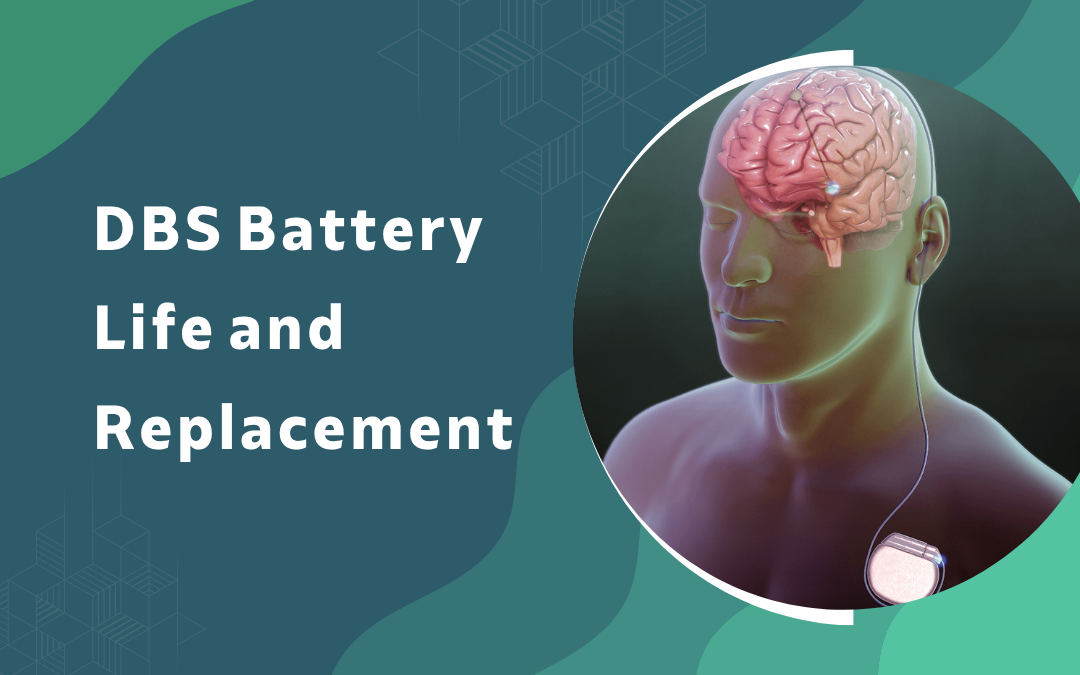
DBS non-rechargeable batteries last about 3 to 5 years. Rechargeable ones go further, sometimes 9, sometimes a full 15. Replacement happens when symptoms start coming back or the device flags low power, and the swap itself is a minor outpatient surgery on the implantable pulse generator, the IPG.
According to Dr. Gurneet Singh Sawhney, neurosurgeon in Bangalore, Most patients don’t realize the battery is fading until their old symptoms slowly creep back, and that’s usually the cleanest signal something needs checking.
What factors decide how long a DBS battery lasts?
Honestly, it depends. Programming, daily habits, disease type, all of it plays in.
- Stimulation settings: Higher voltage burns through power faster. So patients on aggressive programs for severe Parkinson’s or dystonia almost always hit replacement earlier than someone running mild parameters.
- Battery type: Non-rechargeable cells give you 3 to 5 years, then surgery. Rechargeable ones can push 9, even 15, but only if you actually charge them every week without slipping.
- Usage pattern: 24/7 stimulation drains faster than turning it off at night. That said, cycling isn’t something neurologists usually back unless there’s a real clinical reason behind it.
- Disease type: Essential tremor runs on lower current than dystonia, which is why those patients tend to squeeze more years out of one battery before it gives up.
Been on stimulation a while? A DBS programming review tells you what’s actually left.
When does a DBS battery actually need replacement?
Two things matter here. What the device says, and what you’re feeling.
- Symptom return: Tremors, rigidity, slowness creeping back even though medication hasn’t changed, that’s almost always the battery talking. Not the disease moving forward.
- EOL alert: The programmer flags End-of-Service weeks ahead. Plenty of room to plan the surgery, no scrambling.
- Voltage drift: In the final stretch, therapy can feel weaker or just off. Side effects sometimes pop up too as output dips below safe thresholds.
- Routine checks: Most patients spot a low battery at programming visits, where the clinician pulls device data and gives a fairly accurate read on remaining months.
For the fuller picture on how the surgery works, our DBS surgery guide goes through the whole thing.
Why Choose Dr.Gurneet Singh Sawhney?
Dr. Gurneet Singh Sawhney has 16+ years in neurosurgery, with hundreds of DBS cases behind him, from primary implants to battery swaps and lead revisions across Parkinson’s, dystonia, and essential tremor patients.
What sets things apart is the pre-op honesty. Patients walk out knowing exactly what battery they’re getting, how long it’ll realistically last, and what surgery number two will look like. No fluff. Just answers.
FAQ's
How long does a non-rechargeable DBS battery last?
Non-rechargeable batteries typically last 3 to 5 years depending on stimulation parameters.
Is DBS battery replacement a major surgery?
A minor outpatient procedure done under local anaesthesia in about 30 minutes.
Can a DBS battery suddenly stop working?
Sudden failure is rare, devices usually warn weeks ahead through programmer alerts.
Does battery replacement affect my DBS programming?
Existing settings transfer and get reprogrammed onto the new IPG unit.
References
- Deep Brain Stimulation for Movement Disorders — National Institute of Neurological Disorders and Stroke
- Battery Longevity in Deep Brain Stimulation — PubMed, NCBI