

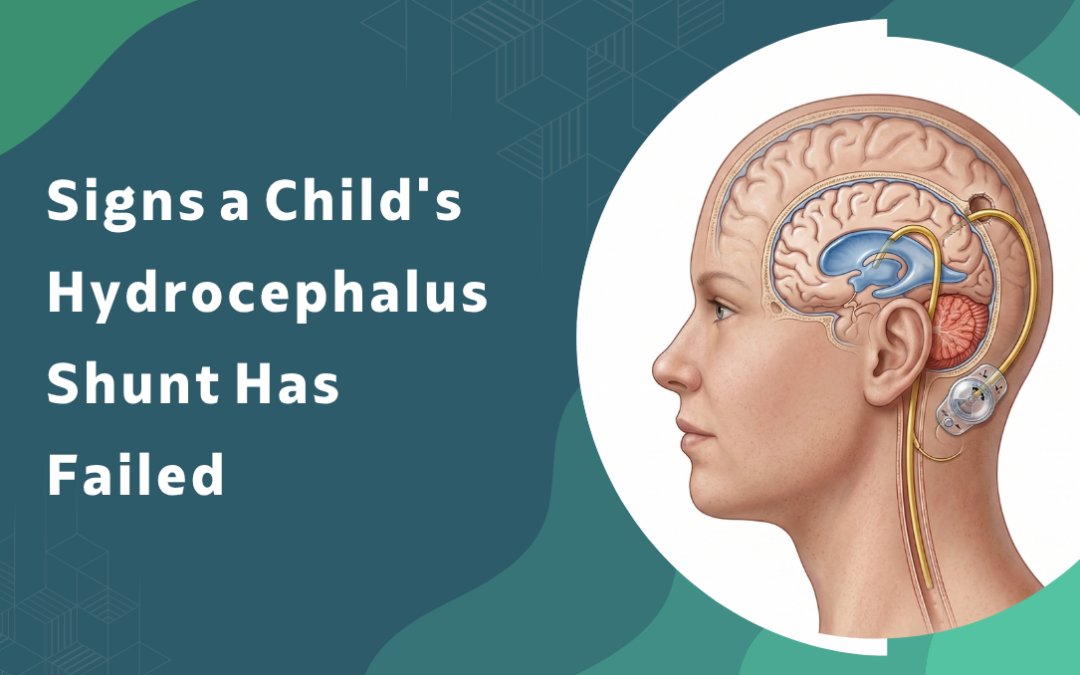
Ventriculoperitoneal shunt failure is one of the most common neurosurgical emergencies in children with hydrocephalus. Approximately 40 percent of shunts fail within the first two years of implantation. Failure causes rising intracranial pressure that progresses rapidly in children and delayed recognition causes neurological injury that timely intervention would have prevented.
According to Dr. Gurneet Singh Sawhney, Neurosurgeon in Mumbai, shunt failure in a child is a clinical diagnosis first imaging confirms it but a child presenting with the right symptoms after shunt insertion needs urgent neurosurgical assessment before waiting for scan results.
What Are the Clinical Signs of Shunt Failure in Children?
Shunt failure signs differ by age and rate of pressure rise. But specific features across all age groups should trigger immediate neurosurgical review without waiting to see if symptoms resolve.
- Headache and vomiting on waking: Morning headache with vomiting is the classic raised intracranial pressure symptom in children with fused skull sutures. Because intracranial pressure rises during recumbent sleep and the shunt cannot compensate adequately in failure, symptoms are most pronounced on waking and may partially ease through the day which families sometimes misinterpret as improvement rather than a pattern consistent with shunt malfunction.
- Bulging fontanelle and head enlargement in infants: In infants with open fontanelles, a tense or bulging anterior fontanelle at rest and accelerating head circumference growth across centile lines are the most reliable indicators of shunt failure. And because infants cannot report headache, these objective findings are the primary clinical data which is why regular head circumference monitoring in shunted infants is not optional.
- Deteriorating level of consciousness: Increasing drowsiness, irritability, and reduced responsiveness in a shunted child constitutes a neurosurgical emergency. Progressive conscious level deterioration from raised intracranial pressure in a child with shunt failure can deteriorate to coma within hours if not recognised and treated.
- Visual disturbance and sunset sign: Blurred vision, diplopia, and return of the sunset sign in infants downward deviation of the eyes with visible sclera above the iris indicate significant raised intracranial pressure. Because chronic papilloedema from prolonged shunt failure causes permanent visual loss, these findings require same-day imaging and neurosurgical review without exception.
Shunt failure symptoms are not always dramatic at onset. A previously well child with hydrocephalus who develops any combination of these features deserves urgent assessment rather than a wait-and-see approach.
Explore functional neurosurgery in Mumbai for paediatric shunt evaluation at Fortis Hospital Mulund West.
What Causes Shunt Failure and How Is It Investigated?
Understanding the mechanism of failure determines the surgical revision required and reduces the risk of repeated failure after revision.
- Proximal catheter obstruction: The ventricular catheter tip becomes blocked by choroid plexus, blood clot, or debris in the majority of mechanical shunt failures. Because partial obstruction causes intermittent symptoms before complete failure, a child with episodic headache and vomiting after shunt insertion warrants investigation even when they appear well at the time of assessment.
- Distal catheter obstruction or disconnection: Peritoneal end obstruction from omental adhesions, catheter migration, or disconnection at a shunt valve connector are the other common mechanical causes. Growth spurts in children can pull the abdominal catheter upward, shortening the distal end and causing shunt dysfunction without any structural component failure a finding easily missed without a full shunt series radiograph.
- Shunt infection: Shunt infection presents with fever, headache, neck stiffness, and raised inflammatory markers within weeks of implantation in most cases. But low-grade infection with coagulase-negative staphylococci can present months later with subtle symptoms. CSF examination via shunt tap is required when infection is suspected blood cultures and surface swabs are insufficient.
- Investigation protocol: CT brain confirms ventricular size compared to the post-operative baseline. A shunt series plain radiograph checks catheter continuity along its entire length. And when clinical and imaging findings are discordant, intracranial pressure monitoring or shunt tap may be required before revision surgery is planned.
Families who have read about whether neurological problems can exist with normal scans understand why ventricles that appear small on CT do not exclude shunt failure in children with chronic hydrocephalus where baseline ventricular size is already small.
Why Choose Dr.Gurneet Singh Sawhney?
Dr. Gurneet Singh Sawhney completed dedicated fellowships in functional neurosurgery under Prof. Taira at Tokyo Women’s Medical University and epilepsy surgery under Prof. Sugano at Juntendo University, both high-volume academic centres where paediatric neurosurgical cases including shunt surgery and revision formed a structured component of the caseload. At Fortis Hospital Mulund West, suspected shunt failure cases receive urgent CT, shunt series radiograph, and neurosurgical review before any management decision is made.
Families presenting with a child showing signs of shunt failure receive a direct assessment covering clinical presentation, imaging comparison with baseline, mechanism of failure, and surgical revision plan. The recommendation is based on objective clinical and imaging findings for that specific case.
FAQ's
What are the most common signs of shunt failure in children?
Morning headache with vomiting, bulging fontanelle in infants, deteriorating consciousness, and visual disturbance are the primary clinical indicators of shunt failure.
How quickly does shunt failure become dangerous in children?
Shunt failure can cause rapid neurological deterioration within hours in children any combination of raised pressure symptoms after shunt insertion requires same-day neurosurgical assessment.
What causes a ventriculoperitoneal shunt to fail?
Proximal catheter obstruction by choroid plexus, distal catheter migration or disconnection, and shunt infection are the most common causes of VP shunt failure in children.
How is shunt failure diagnosed?
CT brain comparing ventricular size to post-operative baseline, full shunt series plain radiograph checking catheter continuity, and clinical assessment together determine whether shunt revision is required.
References
- National Institute of Neurological Disorders and Stroke. Neurological Diagnostic Tests and Procedures. NINDS, NIH.
- Kulkarni AV, et al. Paediatric Hydrocephalus and Shunt Outcomes. PubMed Central, NCBI.