

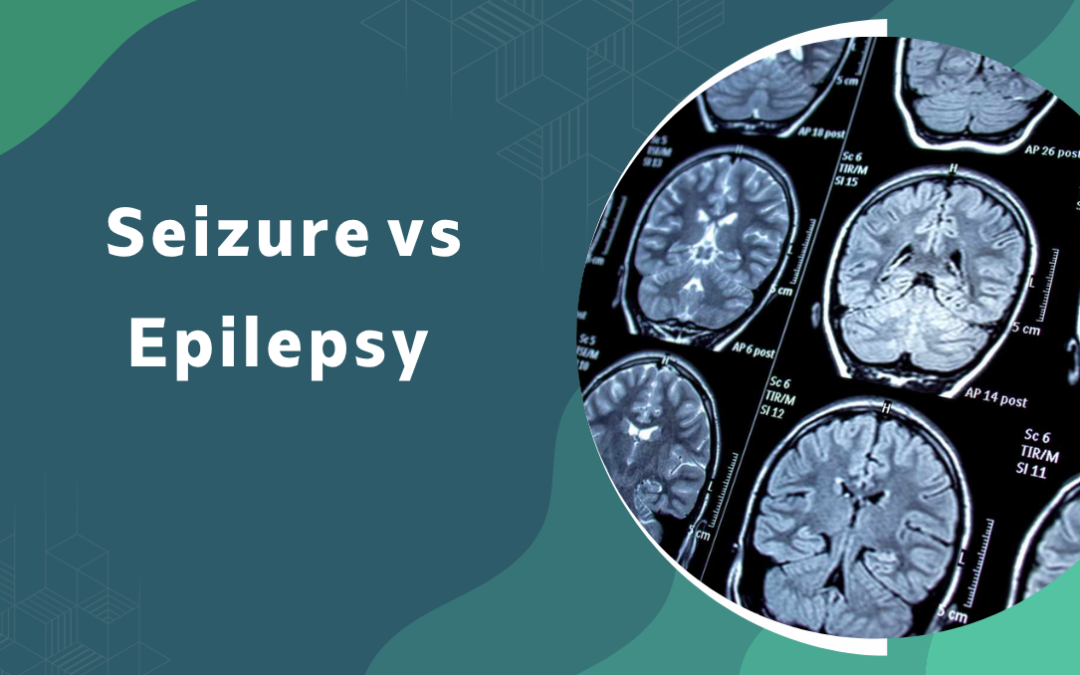
A seizure is a single episode of abnormal electrical activity in the brain. Epilepsy is a condition defined by two or more unprovoked seizures more than 24 hours apart, or one unprovoked seizure with confirmed high recurrence risk on investigation. Provoked seizures from fever, metabolic disturbance, or drug withdrawal don’t meet epilepsy criteria. But every first adult seizure needs an MRI with contrast. No exceptions.
According to Dr. Gurneet Singh Sawhney, epilepsy surgery in Mumbai, “drug-resistant epilepsy is chronically under-referred for surgery and most patients wait years before anyone mentions it as a real option.”
What Makes a Seizure Different From Epilepsy?
Not every seizure is a convulsion. That’s the first thing to get straight.
Provoked vs unprovoked: Fever, severe sleep deprivation, alcohol withdrawal trigger provoked seizures. One event, identifiable cause. Doesn’t confirm epilepsy on its own, though full neurological workup is still mandatory.
Focal seizures: Rhythmic twitching in one limb, sudden unexplained smell, brief speech arrest. These get dismissed as anxiety or stress for months before anyone orders an EEG.
Absence seizures: A few seconds of blank staring, no memory afterward. Missed as daydreaming in children constantly. Diagnosis delay compounds cognitive impact over time, that’s bad medicine.
Diagnosis threshold: Two unprovoked seizures more than 24 hours apart confirms epilepsy. Or one with confirmed high recurrence risk on imaging or EEG. This distinction changes the entire treatment pathway from day one.
Explore functional neurosurgery in Mumbai for epilepsy surgery and related procedures at Fortis Hospital Mulund West.
When Does Epilepsy Need Surgery?
Medication fails in 30 percent of cases. That number doesn’t go down by adding more drugs.
Drug resistance: Two appropriately chosen anti-seizure medications at therapeutic doses, both failed. Adding a third rarely helps. Evidence on this has been clear for years.
Who qualifies: Patients with identifiable seizure focus on MRI or prolonged video EEG. Epilepsy surgery is offered when the focus is resectable without causing new neurological deficit. More patients qualify than currently get referred. That gap is a real problem.
Evaluation process: Video EEG monitoring, epilepsy-protocol MRI, neuropsychological testing, functional mapping if focus is near motor or language cortex. Takes time. No shortcut gives reliable results.
Waiting too long: A decade of failed medication before referral. Cognitive decline, injury risk, employment loss. All of it stacks up. Earlier surgical evaluation produces better outcomes consistently.
Most patients who needed surgery five years ago still don’t know surgery was an option.
Read about neurological problems with normal scans before your next consultation.
Why Choose Dr. Gurneet Singh Sawhney
Dr. Gurneet Singh Sawhney completed a dedicated fellowship in epilepsy surgery under Prof. Sugano at Juntendo University, Tokyo, one of Asia’s highest-volume epilepsy surgery programmes. A separate functional neurosurgery fellowship under Prof. Taira at Tokyo Women’s Medical University followed. Dr. Gurneet Singh Sawhney runs the full pre-surgical epilepsy protocol at Fortis Hospital Mulund West: video EEG, epilepsy-protocol MRI, neuropsychological testing, functional mapping.
Patients arrive after years of failed medications. Some get surgery. Some don’t need it. But every case gets an honest evaluation instead of another prescription. Call +91 8104310753 to book your consultation.
FAQ’s
What is the clinical definition of epilepsy?
Two or more unprovoked seizures more than 24 hours apart, or one with confirmed high recurrence risk.
Does one seizure mean you have epilepsy?
No, one provoked seizure doesn’t confirm epilepsy but requires full neurological workup including MRI.
What is drug-resistant epilepsy?
Seizures continuing despite two appropriate anti-seizure medications at adequate doses, affecting 30 percent of patients.
When should epilepsy surgery be considered?
After two medications fail and seizure focus is identifiable and safely resectable on evaluation.
References
- National Institute of Neurological Disorders and Stroke. Neurological Diagnostic Tests and Procedures. NINDS, NIH.
- Scheffer IE, et al.ILAE Classification of the Epilepsies. PubMed Central, NCBI.