

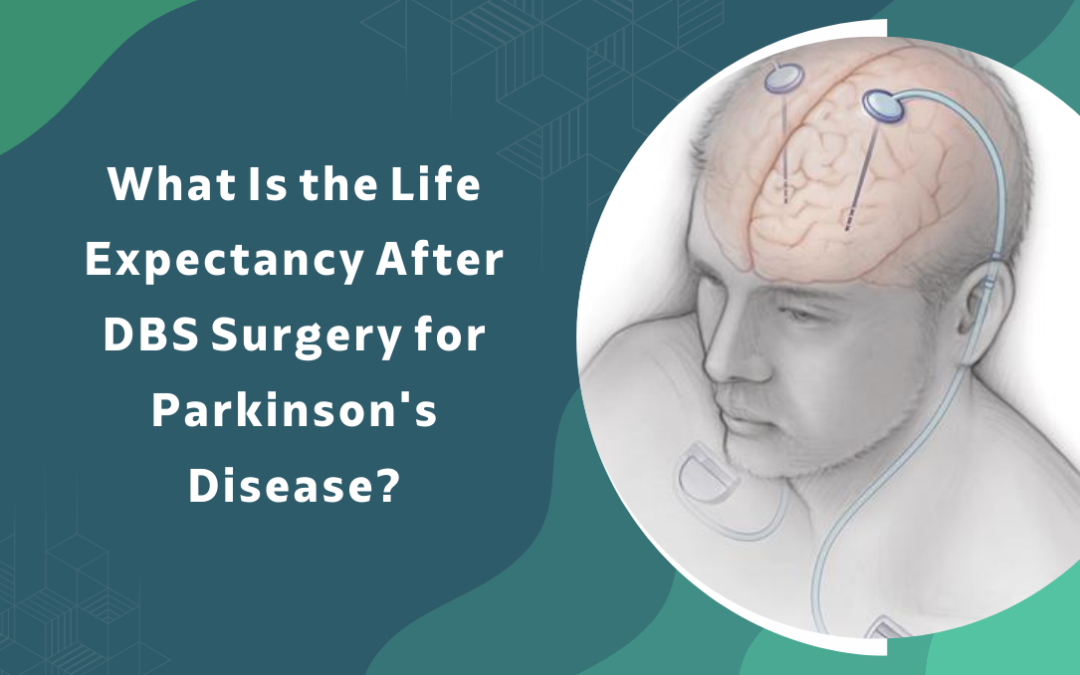
This is one of the first questions families ask. And it’s the right question but the answer isn’t what most people are bracing for.
DBS surgery doesn’t shorten life expectancy. That’s worth saying clearly because the fear going into a brain surgery conversation is real and it deserves a direct response. The procedure itself carries surgical risks infection, bleeding, anaesthetic complications but these are low in experienced hands at well-equipped centres, and the surgery doesn’t alter the underlying disease trajectory. Parkinson’s is what drives long-term prognosis. The device manages symptoms. It doesn’t change what the disease does to the brain over decades.
What DBS does affect significantly, for many patients is quality of life during the years they have. That’s the more honest and useful part of this conversation. Not how long. How those years actually feel.
Dr. Gurneet Singh Sawhney is a neurosurgeon at Fortis Hospital Mumbai with a fellowship in functional neurosurgery from Japan. He manages Parkinson’s patients through the full surgical journey not just the procedure. Families come in asking exactly this question. His answer is always the same. Specific. Not reassuring for its own sake.
Trying to understand what DBS actually means for long-term outcomes in your case?
What the Research Actually Says About Life Expectancy and DBS
Because the data exists and it’s worth understanding properly.
DBS doesn’t shorten life and may not extend it either: Large studies following DBS patients for ten years and beyond show survival rates broadly comparable to Parkinson’s patients managed on medication alone. The surgery isn’t cutting life short. But it’s also not adding years in the way a cancer treatment might extend survival. What it’s doing is something different preserving function during the years that exist. That distinction matters a lot when families are trying to weigh the decision. They’re not trading years for comfort. They’re getting more functional years within the same overall prognosis. Patients already researching Deep Brain Stimulation surgery in Mumbai often arrive with this exact confusion thinking DBS is either life-extending or life-shortening. It’s neither.
Parkinson’s itself and life expectancy: Modern Parkinson’s management medication, surgery, rehabilitation has brought life expectancy for Parkinson’s patients much closer to the general population than it was decades ago. It’s not identical. But the gap has narrowed significantly. The disease doesn’t kill directly in most cases. Complications include aspiration pneumonia from swallowing difficulties, falls leading to fractures, infections from immobility in advanced stages. DBS helps with the motor symptoms that contribute to some of these risks. Better motor control means fewer falls. Better medication management from reduced dosing means fewer medication side effects. These things have indirect effects on long-term health even if they don’t show up as a clean “DBS extends survival by X years” finding.
The quality of life data is where DBS really shows its value: Studies consistently show significant improvements in motor function, daily activities, and reported quality of life for appropriately selected DBS patients over years of follow-up. Tremor controlled. Dyskinesias reduced. Medication doses lowered. The on-off swings that make someone’s day unpredictable and exhausting those stabilize. For a patient who’s forty-five with young-onset Parkinson’s, getting ten to fifteen years of significantly improved daily function out of DBS is a meaningful outcome. It’s not a cure. But it’s a lot. Families who’ve read about whether neurological problems can exist with normal scans sometimes come in already thinking in terms of what symptoms DBS can and can’t address that context helps frame the quality of life conversation more accurately.
What happens as Parkinson’s progresses past DBS: This part of the answer is the harder one. After years sometimes a decade, sometimes more the disease progresses past what the stimulator can compensate for. New symptoms emerge. Balance problems. Cognitive decline. Speech difficulties. These are driven by broader neurodegeneration that the device was never designed to touch. The stimulator keeps doing what it does managing the motor circuit activity it was implanted to address. But the disease keeps moving. Eventually the non-DBS-responsive symptoms become the dominant disability. That’s not a failure of the surgery. It’s Parkinson’s doing what Parkinson’s does. Knowing this going in doesn’t make it easier when it happens. But it means nobody is blindsided by it.
What Realistic Expectations Look Like After DBS
Because expectations set before surgery determine how the outcome feels afterward.
Motor symptoms what improves and by how much: Tremor responds well. Rigidity improves. The on-off fluctuations that make the day unpredictable stabilise significantly for most patients. Many reduce their medication dose, which removes a whole layer of levodopa side effects from the picture. Writing comes back for some patients. Eating independently. Activities that had been impossible for years. Not everyone gets the same degree of improvement. But for the right patient at the right time, the functional gains are real and they hold up over years.
What DBS won’t change: Cognitive function. Speech in patients where speech was already affected. Balance and postural instability. Fatigue. These symptoms exist outside the circuit the stimulator targets. If they’re present before surgery, particularly cognitive decline they won’t improve after. The pre-surgical assessment exists specifically to map which of someone’s symptoms fall into which category. Because going in expecting DBS to fix something it can’t fix leads to outcomes that feel like failure even when the surgery technically went well.
The device needs ongoing management: Settings get adjusted. Batteries eventually need replacing typically every three to five years for non-rechargeable devices. Programming sessions happen over time as the condition changes. This isn’t a one-and-done procedure. It’s a long-term relationship with a clinical team. Patients who stay engaged with follow-up get more out of the device than those who drift away from it after the initial programming.
As a Neurosurgeon in Mumbai who has followed DBS patients for years post-surgery, Dr. Sawhney treats the post-surgical period as part of the job not as someone else’s problem once the procedure is done.
Why Choose Dr. Gurneet Singh Sawhney
The life expectancy and quality of life question is one of the most consequential conversations in Parkinson’s management. It deserves someone who won’t dress it up.
Dr. Sawhney trained in functional neurosurgery under Prof. Taira at Tokyo Women’s Medical University. Then epilepsy surgery under Prof. Sugano at Juntendo University. Two dedicated fellowships at centres doing this at real volume. Not general neurosurgery with occasional DBS cases. Subspecialty work. Back at Fortis Hospital Mulund West, the evaluation before any surgery goes through the complete picture of disease duration, medication history, levodopa response, cognitive status, symptom profile. Which symptoms of DBS are likely to help. Which it won’t. What the device will realistically deliver over five years and ten years for that particular patient. And the post-surgical management programming, battery monitoring, follow-up stays with the same team. Families come in looking for a number. Life expectancy after DBS. The honest answer is that DBS doesn’t change the number. But for the right patient, it changes what that time looks like. And that answer deserves to be given properly.
FAQ's
Does DBS surgery reduce life expectancy in Parkinson's patients?
No DBS surgery does not shorten life expectancy, and long-term studies show survival rates for DBS patients broadly comparable to Parkinson’s patients managed on medication alone without surgery.
Can DBS surgery extend how long someone with Parkinson's lives?
Not directly DBS manages motor symptoms and improves daily function but doesn’t alter the underlying disease progression that ultimately determines prognosis in Parkinson’s disease.
How long do the benefits of DBS surgery last in Parkinson's disease?
Motor symptom benefits particularly tremor control and reduction in on-off fluctuations hold up for many patients over ten years or more, though advancing disease eventually introduces symptoms the stimulator cannot address.
What quality of life improvements can Parkinson's patients expect after DBS?
Most appropriately selected patients see significant tremor reduction, stabilisation of motor fluctuations, lower medication doses, and improved ability to perform daily activities gains that are real and often hold up over years of follow-up.
How do I find out if DBS is the right option for my Parkinson's case in Mumbai?
Contact Dr. Gurneet Singh Sawhney at +91 8104310753 or gurneetsawhney@gmail.com he reviews records and imaging before the consultation at Fortis Hospital, Mulund West, Mumbai, so the candidacy assessment is specific to your case from the start.
References
- National Institute of Neurological Disorders and Stroke. Neurological Diagnostic Tests and Procedures. NINDS, NIH.
- Doraiswamy S, et al. Use of Digital Technologies in Facilitating Healthcare Access. PubMed Central, NCBI.