
No. It can’t. And anyone telling you otherwise is giving you the wrong expectation going into surgery. Parkinson’s is a progressive neurological condition the dopamine-producing cells in the brain keep deteriorating regardless of whether a device is implanted or not. DBS doesn’t stop that. What it does is manage the symptoms that make daily life difficult. Tremors that won’t settle. Stiffness that medication barely touches anymore. The on-off swings where one hour you’re functional and the next you’re frozen. For those things, DBS can make a real difference. But cure is the wrong word for it.
Dr. Gurneet Singh Sawhney is a neurosurgeon in Mumbai with a dedicated fellowship in functional neurosurgery from Japan. He’s evaluated and operated on Parkinson’s patients from across India and abroad. His answer to this question in every consultation is the same honest, specific, and without the inflation families sometimes get elsewhere.
Want a straight answer about whether DBS is right for your case?
What DBS Actually Does and What It Doesn't
This distinction matters a lot before you go into surgery with the wrong expectations.
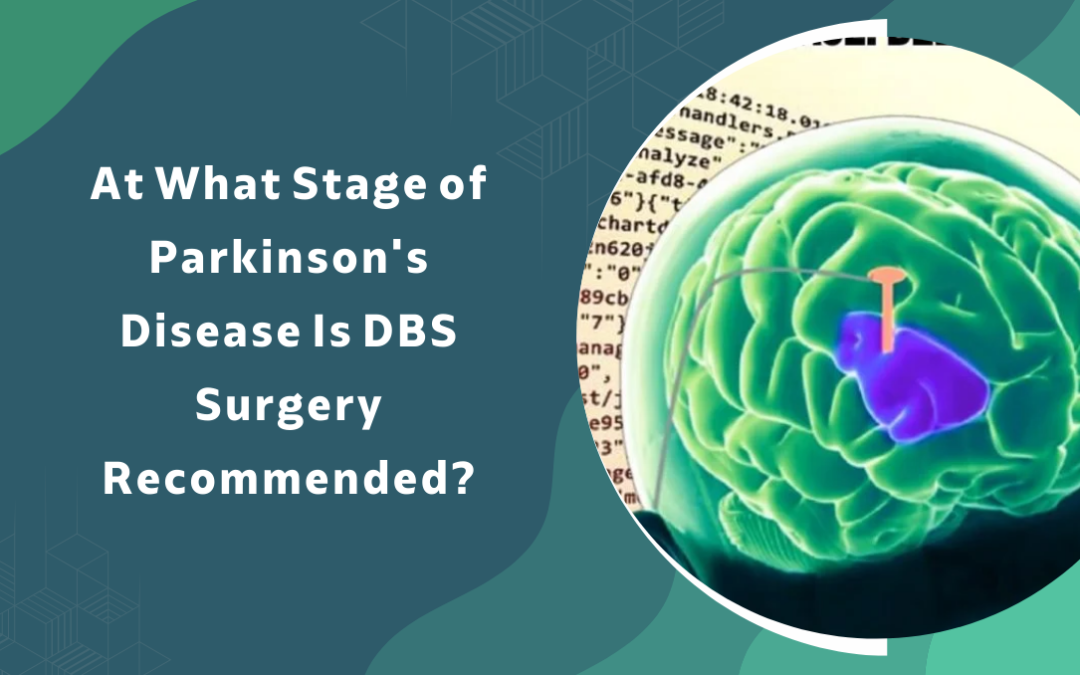
What it does well: DBS targets the abnormal electrical signals in the basal ganglia the brain circuit Parkinson’s disrupts. The implanted electrodes send continuous pulses that interrupt that faulty activity. Tremor, in many patients, reduces significantly. Rigidity loosens. The freezing episodes that medication struggles to handle become less frequent. A lot of patients reduce their levodopa dose after DBS, which also reduces the side effects that come with high medication loads. Some patients describe it as getting years of function back. That’s real. It happens.
What it doesn’t do: The brain cells keep dying. The disease keeps progressing. DBS doesn’t touch that process at all. After several years, as Parkinson’s advances, new symptoms emerge that the device can’t address balance problems, cognitive changes, speech difficulties. The stimulator helps with the motor symptoms it was designed for. It doesn’t protect against what comes next. Families going in with “permanent cure” expectations tend to feel let down at year five or six. That’s not a failure of the device. It’s a failure of expectation-setting before surgery. Patients who’ve read about Deep Brain Stimulation surgery in Mumbai often come in better prepared for this conversation.
How long the benefit lasts: Studies follow DBS patients for ten years and beyond. Motor symptom control holds up reasonably well for most patients in that window especially tremor. The device settings get adjusted over time as the condition changes. But the underlying disease progression eventually outpaces what the stimulator can compensate for. That timeline varies by patient. Nobody can tell you exactly where yours will land.
Why medication history matters so much: There’s a fairly reliable predictor of how well DBS will work for a given patient how well levodopa works for them. If levodopa controls symptoms well but the duration keeps shortening and the fluctuations keep getting worse, DBS tends to do well. If levodopa never gave good control, DBS usually doesn’t change that picture. Because both are working on the same circuit. Families reading about whether neurological problems can exist with normal scans sometimes come in with this context already and it makes the candidacy conversation much more productive.
What Patients and Families Should Realistically Expect
Because this is where most of the confusion lives.
Good outcome looks like this: Tremor is significantly reduced. Daily function improves dressing, eating, writing, walking. Medication dose comes down. On-off swings become more predictable. Quality of life, measured honestly, goes up. That’s a real and meaningful outcome. Not a cure. But for someone whose symptoms have become disabling, it’s not small either.
What it won’t give back: Speech that was already affected before surgery. Balance problems. Cognitive symptoms. Fatigue. These don’t respond to DBS. And if they were already present before surgery, they won’t improve afterward. The pre-surgical assessment exists specifically to identify what’s addressable and what isn’t so nobody goes in expecting outcomes the device can’t deliver.
As a Neurosurgeon in Mumbai who has spent years operating on movement disorder cases, Dr. Sawhney is direct about all of this. Every time. Because a patient who understands what they’re getting is in a better position than one who finds out after surgery.
Why Choose Dr. Gurneet Singh Sawhney
The DBS conversation is one of the most consequential ones a Parkinson’s patient and their family will have. It deserves someone who won’t dress it up.
Dr. Sawhney trained in functional neurosurgery under Prof. Taira at Tokyo Women’s Medical University one of the leading centres for movement disorder surgery globally. That’s not a credential for the website. It’s where the clinical framework for this work was built. Back at Fortis Hospital Mulund West, his evaluations start with your medication history, your symptom timeline, your imaging, your daily function. He’ll tell you if you’re a good candidate. He’ll tell you if you’re not. And if surgery is the right step, you leave the consultation knowing what the realistic outcome looks like for your specific case not a best case version of it, your actual case.
FAQ's
Does Deep Brain Stimulation permanently cure Parkinson's disease?
No, DBS does not cure Parkinson’s it manages motor symptoms like tremor and rigidity by modulating abnormal brain circuit activity, but the underlying disease continues to progress regardless of the implant.
How long do the benefits of DBS last for Parkinson's patients?
Benefits for motor symptoms especially tremor hold up reasonably well for many patients over ten years, though device settings need periodic adjustment and advancing disease eventually introduces new symptoms the stimulator cannot address.
Can DBS stop Parkinson's disease from getting worse?
No, DBS does not slow or stop disease progression it reduces the impact of certain symptoms on daily life but doesn’t protect the dopamine producing brain cells that Parkinson’s gradually damages.
What symptoms does DBS not help with in Parkinson's?
DBS has limited effect on speech difficulties, balance problems, cognitive decline, and fatigue symptoms that are often driven by disease progression rather than the circuit activity the stimulator targets.
How do I know if DBS is the right option for my Parkinson's case in Mumbai?
Contact Dr. Gurneet Singh Sawhney at +91 8104310753 or gurneetsawhney@gmail.com — he reviews your medication history, imaging, and symptom profile before the consultation to give a specific candidacy assessment, not a general one.
References
- National Institute of Neurological Disorders and Stroke. Neurological Diagnostic Tests and Procedures. NINDS, NIH.
- Doraiswamy S, et al. Use of Digital Technologies in Facilitating Healthcare Access. PubMed Central, NCBI.