TL;DR
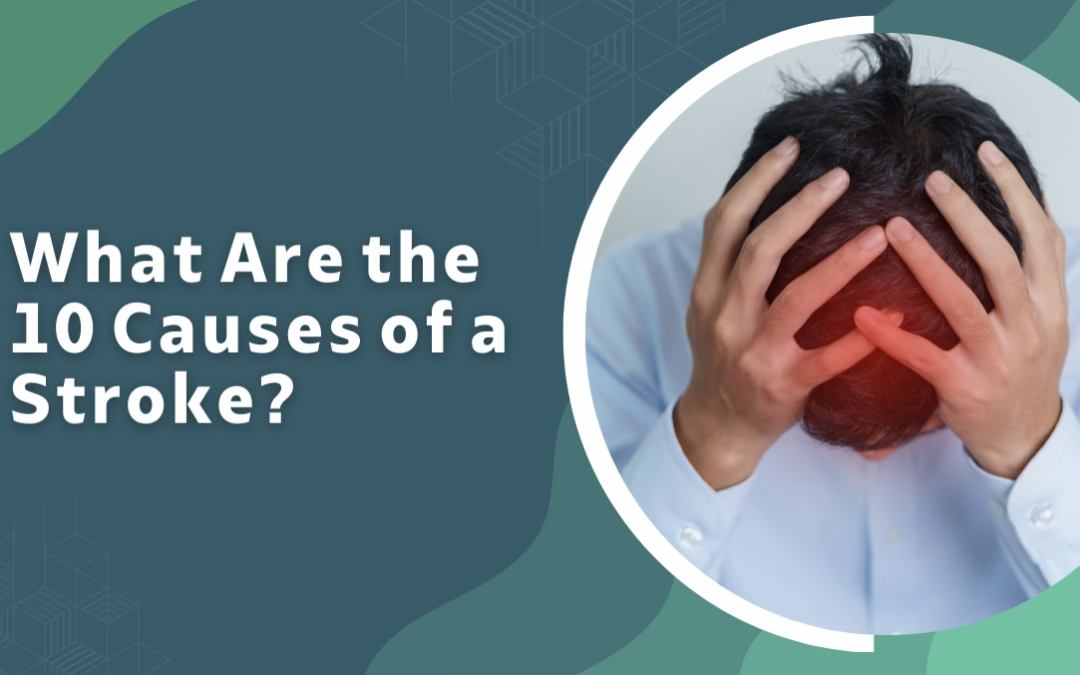
What Are the 10 Causes of a Stroke?
Stroke occurs when blood supply to the brain is blocked or a vessel ruptures. The ten key causes include hypertension, heart disease, high cholesterol, diabetes, smoking, obesity, excess alcohol, brain aneurysms, carotid artery disease, and genetic or age-related factors. Many are manageable. Recognising the FAST warning signs — face drooping, arm weakness, speech difficulty — and acting immediately is critical to reducing permanent brain damage.
What Happens During a Stroke?
The brain relies on a continuous supply of oxygen-rich blood. When this blood flow is disrupted, brain tissue begins to suffer damage within minutes.
A stroke may occur due to:
- A blocked blood vessel prevents blood flow to the brain
- A ruptured blood vessel is causing bleeding within the brain
Even brief interruptions in blood supply can lead to long-lasting neurological problems.
Ischemic Stroke
An ischemic stroke occurs when a blood clot blocks an artery in the brain, causing oxygen deprivation. Prompt clot removal can reduce brain damage.
Hemorrhagic Stroke
A hemorrhagic stroke happens when a blood vessel ruptures in the brain, increasing pressure and causing tissue damage. It requires immediate emergency care.
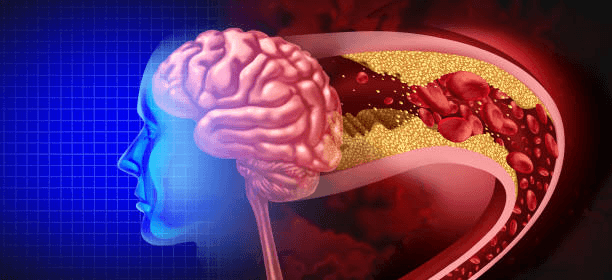
Hemorrhagic Stroke
A hemorrhagic stroke happens when a blood vessel ruptures in the brain, increasing pressure and causing tissue damage. It requires immediate emergency care.
Transient Ischemic Attack (TIA)
A TIA, or mini-stroke, involves a temporary blockage of blood flow with symptoms that resolve quickly. Though it causes no lasting damage, it signals a higher risk of future stroke.
10 Common Causes of Stroke
High Blood Pressure (Hypertension)
High blood pressure is the most significant risk factor for stroke.
- Damages blood vessel walls over time
- Increases risk of vessel rupture or blockage
- Often develops without noticeable symptoms
Heart Diseases
Certain heart conditions raise the likelihood of blood clots forming.
- Irregular heart rhythms such as atrial fibrillation
- Reduced heart pumping efficiency
- Clots can travel from the heart to the brain
High Cholesterol
Excess cholesterol leads to plaque buildup in arteries.
- Narrows blood vessels supplying the brain
- Raises risk of clot formation
- Often progresses silently
Diabetes
Diabetes damages blood vessels and accelerates atherosclerosis.
- Elevated blood sugar affects circulation
- Increases clot formation risk
- Often coexists with high blood pressure
Smoking
Smoking significantly increases stroke risk.
- Damages blood vessel lining
- Promotes clot formation
- Reduces oxygen delivery to the brain
Obesity and Physical Inactivity
A sedentary lifestyle contributes to multiple stroke risk factors.
- Associated with high blood pressure and diabetes
- Impairs circulation
- Increases inflammation within blood vessels
Excessive Alcohol Consumption
Heavy alcohol intake affects blood pressure and heart rhythm.
- Raises blood pressure
- Weakens blood vessels
- Increases risk of hemorrhagic stroke
Brain Aneurysm or Vascular Malformations
Structural abnormalities in blood vessels can rupture unexpectedly.
- May remain undetected for years
- Can lead to sudden bleeding in the brain
- Often require surgical or interventional treatment
Carotid Artery Disease
Narrowing of the carotid arteries restricts blood flow to the brain.
- Plaque buildup reduces circulation
- Small clots may break off and block brain arteries
- Often detected through screening
Genetic and Age-Related Factors
Some individuals have a higher inherited risk.
- Family history increases susceptibility
- Risk rises significantly with age
- Genetic conditions affecting blood vessels
Warning Signs of Stroke (FAST Method)
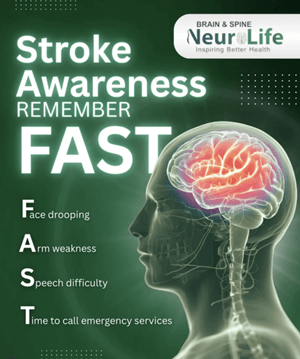
Face Drooping
One side of the face may sag or feel numb.
Arm Weakness
Sudden weakness or inability to lift one arm.
Speech Difficulty
Slurred speech or difficulty understanding words.
Time to Seek Emergency Care
Immediate medical attention is critical for reducing brain damage.
Who Is at Higher Risk?
Individuals with chronic conditions such as hypertension, diabetes, or heart disease are at higher risk. Smokers, older adults, and those with a family history of stroke also face increased vulnerability.
Dr. Gurneet Singh Sawhney advises,
“Many stroke patients have multiple overlapping risk factors. Identifying them early is key to prevention.”
Can Stroke Be Prevented?
In many cases, stroke is preventable through lifestyle changes and medical management. Regular check-ups with a neurosurgeon in Mumbai can help identify risk factors and develop an appropriate treatment plan to reduce the likelihood of a stroke.
- Blood pressure control
- Blood sugar regulation
- Smoking cessation
- Regular physical activity
- Healthy diet and weight management
Preventive care plays a crucial role in reducing long-term risk.
When Should You See a Neurosurgeon?
A neurosurgeon should be consulted when there is a history of stroke, TIA, brain aneurysm, or vascular malformation. Early evaluation helps determine whether surgical or interventional treatment is needed to prevent future events.
Dr. Gurneet Singh Sawhney explains,
“Not every stroke requires surgery, but timely specialist evaluation can be life-saving in selected cases.”
Conclusion
Understanding what are the 10 causes of a stroke empowers individuals to take proactive steps toward prevention. While stroke can be sudden and devastating, many of its causes are identifiable and manageable. Early screening, lifestyle changes, and medical guidance can significantly reduce the risk and improve long-term neurological outcomes.
Frequently Asked Questions
What are the most common causes of stroke?
High blood pressure, heart disease, diabetes, smoking, and high cholesterol are among the most common causes.
Can stroke occur in young adults?
Yes. While risk increases with age, young adults can experience stroke due to genetic factors, lifestyle habits, or underlying medical conditions.
Is stroke always preventable?
Not always, but managing risk factors can significantly reduce the likelihood.
When should I seek immediate medical help?
At the first sign of facial drooping, arm weakness, or speech difficulty.
Does early treatment improve recovery?
Yes. Early intervention greatly improves survival and recovery outcomes.