

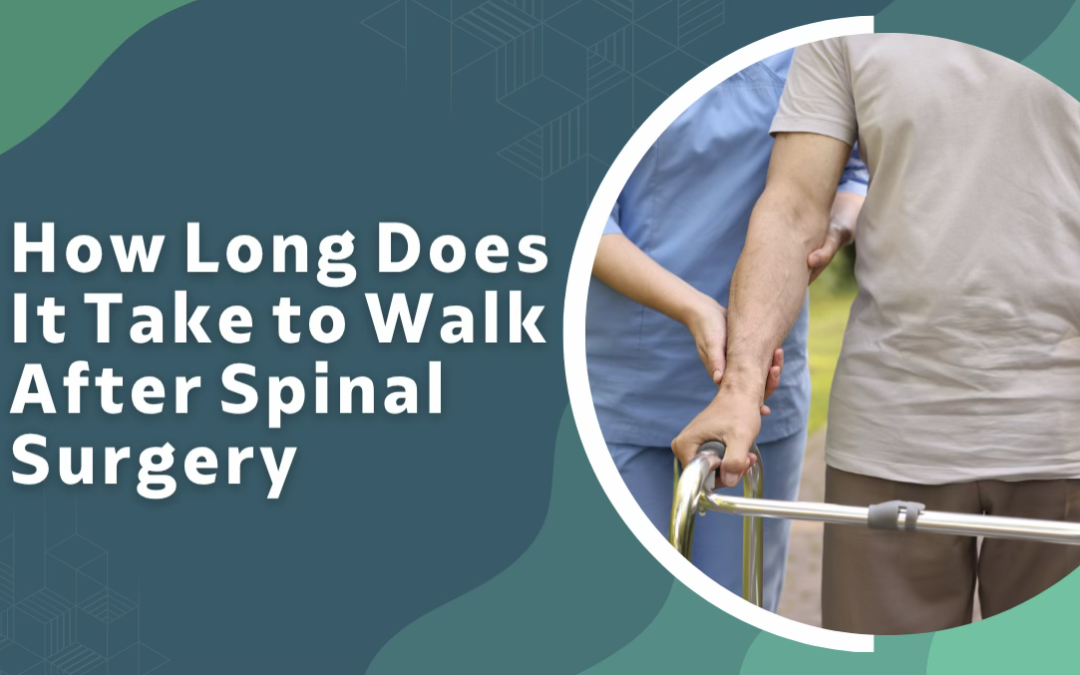
Spinal surgery, whether for a herniated disc, spinal stenosis, or degenerative disc disease, can be life-changing. However, recovery can be challenging, and one common question patients ask is, “How long does it take to walk after spinal surgery?” Walking is an essential part of the recovery process, but it varies depending on the type of surgery and individual healing.
“Recovery time after spinal surgery is highly individualized,” says Dr. Gurneet Singh Sawhney, a trusted neurosurgeon in Mumbai. “Patients often begin walking soon after surgery, but how long it takes to regain full mobility depends on the procedure performed, your general health, and how closely you follow post-operative care instructions.”
Understanding when you can expect to walk again and what factors influence this recovery time can ease your concerns and guide you toward a smooth recovery.
How Soon Can You Walk After Spinal Surgery?
Walking is one of the first steps in your recovery journey after spinal surgery. In many cases, patients are encouraged to start walking on the same day or the day after surgery. Early walking helps stimulate blood flow, reduce complications like blood clots, and promote healing.
But, there’s more to it than just walking right after the surgery.
Here’s the thing: It’s essential to pace yourself, especially in the first few days post-surgery. Start with slow, assisted walking, and gradually increase the duration as you feel more comfortable.
For some surgeries, patients may start with small steps with assistance, while for others, walking may be possible without assistance, depending on the surgery type and complexity.

“It’s crucial to listen to your body and not rush,” advises Dr. Gurneet Singh Sawhney. “While early walking helps with recovery, it’s also important to progress gradually. Start with short distances and gradually build up your stamina.”
Walking Timeline by Surgery Type
Did you know? The time it takes to walk after surgery can vary greatly depending on the procedure performed. Here’s what you can expect for each type of spinal surgery:
Microdiscectomy
Microdiscectomy is a minimally invasive surgery where a small incision is made to remove a herniated disc pressing on a nerve. Due to the less invasive nature of this surgery, most patients are able to walk within a few hours after the procedure.
What to expect:
- Immediate walking with assistance on the day of surgery
- Increased walking ability within the first few days
- Most patients can walk unassisted after a week
Laminectomy/Decompression
Laminectomy, or spinal decompression, involves the removal of part of the vertebrae to relieve pressure on the spinal cord or nerves. Walking after a laminectomy may take slightly longer compared to a microdiscectomy due to the more invasive nature of the surgery.
What to expect:
- Initial walking with assistance on the day or day after surgery
- Gradual increase in walking ability over 1–2 weeks
- Full walking ability may take 3–4 weeks

Spinal Fusion
Spinal fusion surgery involves permanently joining two or more vertebrae together to stabilize the spine. This is a more extensive procedure, and patients may require more time to walk without assistance.
What to expect:
- Walking with assistance within the first day after surgery
- Increased walking range within 1–2 weeks
- Full recovery and walking ability may take 3–6 months
Minimally Invasive vs Open Surgery
Minimally invasive spine surgeries use smaller incisions and are generally associated with quicker recovery times. Patients undergoing minimally invasive procedures often experience faster return to walking compared to traditional open surgeries.
What to expect:
- Minimally invasive: Walking within hours of surgery, with a shorter recovery timeline
- Open surgery: Longer recovery time, with walking possible within 1–2 days, but full mobility may take several weeks
Factors Affecting Your Walking Recovery
There are many factors that can affect how quickly you can start walking and regain mobility after spinal surgery. These include:
- Type of surgery performed
- Age and overall health
- Pre-existing medical conditions (e.g., diabetes, obesity)
- Physical therapy adherence
- Post-operative care and rehabilitation
- Post-surgery complications or infection
It’s important to remember: Healing is not a race. Factors like your health before surgery, surgical technique, and commitment to rehabilitation all play a significant role in how quickly you can walk again.
“Factors like your health before surgery, surgical technique, and commitment to rehabilitation will play a big role in your walking recovery,” says Dr. Gurneet Singh Sawhney.
How to Walk Safely After Spinal Surgery
Walking is essential for recovery—but doing so safely is just as important. Here’s how to ensure you’re walking the right way post-surgery:
When You Can Increase Your Walking
Once you start walking, it’s important to increase your walking time gradually to avoid putting too much strain on your spine.
- Week 1: Short, slow walks with support
- Week 2: Gradually increase duration, walking unassisted for 5–10 minutes
- Week 3–4: Increase walking time to 20 minutes, up to 30 minutes by week 6

Tips for Safe Walking Post-Surgery
- Use a walker or crutches if needed for support
- Keep your posture straight and avoid slouching
- Start with slow, small steps and increase pace gradually
- Stop if you feel any pain or discomfort
“It’s essential to prioritize gradual and safe movement,” advises Dr. Gurneet Singh Sawhney. “Rushing the recovery process can lead to setbacks. Always aim for consistency rather than speed.”
When to Seek Medical Attention
While walking is an essential part of your recovery, there are specific signs that indicate you should stop and seek medical help. If you notice any of the following, it’s crucial to reach out to your doctor or healthcare provider immediately:
Difficulty walking after the first few days – If walking becomes increasingly difficult or painful beyond the initial recovery period, it’s important to consult your surgeon.
Numbness, tingling, or weakness that doesn’t improve – Persistent or worsening sensations like numbness or tingling can signal nerve issues that need to be addressed.
Bladder or bowel issues – Difficulty controlling bladder or bowel movements could indicate nerve damage, which requires prompt medical attention.
Fever or chills – A fever or chills, especially when accompanied by redness or warmth near the surgical site, can be signs of infection and should not be ignored.
Conclusion
The time it takes to walk after spinal surgery depends largely on the type of surgery and your individual recovery process. While some people begin walking within hours, others may take weeks or months to regain full mobility. By following your doctor’s instructions, engaging in physical therapy, and taking it slow, you can regain strength and movement safely and effectively.
Frequently Asked Questions
1. How soon can I walk after spinal surgery?
2. Can I walk without assistance after a microdiscectomy?
Yes, most patients can walk unassisted within a few days of a microdiscectomy, as it’s a minimally invasive procedure.
3. How long does it take to walk after spinal fusion surgery?
4. Can I walk too soon after spinal surgery?
5. What should I do if I experience pain while walking after surgery?
References:
https://www.aans.org/patients/conditions-and-treatments/spinal-fusion
https://my.clevelandclinic.org/health/treatments/17439-back-surgery
Disclaimer: This page is for informational purposes and not for promotional use.