
A mini stroke, medically called a transient ischemic attack, is the body’s early alert that a major stroke may be developing soon. A brief blockage in the brain stops oxygen flow for minutes. Even though symptoms fade quickly, the impact on health is serious. These events can temporarily affect speech, vision, balance, or strength. Many people ignore early symptoms, assuming they are fatigue or stress. But research shows that nearly 1 in 3 individuals who experience a mini stroke may suffer a full stroke within months.
“Mini strokes are the body’s last warning before major damage,” says Dr. Gurneet Singh Sawhney, a leading neurosurgeon in Mumbai. “A timely diagnosis allows us to prevent long-term complications and reduce the risk of future stroke episodes.”
Understanding a Mini-Stroke (Transient Ischemic Attack TIA)
A transient ischemic attack happens when a small clot temporarily reduces the blood supply to the brain. Unlike a full stroke, the blockage resolves on its own and symptoms improve within minutes. Still, the event is a medical emergency.
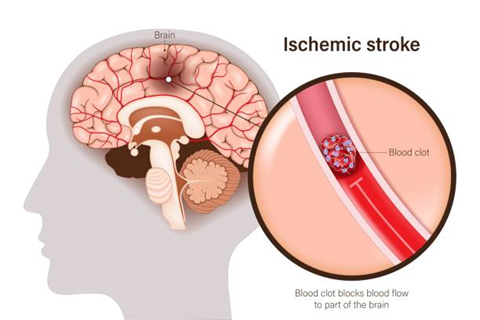
How a TIA occurs:
- A tiny blood clot blocks a vessel in the brain
- The oxygen supply drops for a short period
- Brain cells send distress signals that appear as sudden neurological symptoms
- The clot dissolves and symptoms fade
“Even if the symptoms disappear quickly, the brain has already signaled distress,” explains Dr. Gurneet Singh Sawhney, a respected neurosurgeon in Mumbai. “A TIA is not a harmless episode. It is a critical warning that has to be taken seriously.”
The 5 Warning Signs of a Mini-Stroke
Vision Problems
Difficulty Speaking

Weakness in Face or Limbs
Loss of Balance or Coordination
Sudden Confusion
What to Do If You Notice These Signs
If you or someone around you notices these symptoms, act immediately. Do not wait for the symptoms to pass.
What you should do:
- Call emergency medical services right away
- Note the time the symptoms first appeared
- Avoid driving yourself to the hospital
- Keep the person calm and seated
- Do not give food, water, or medications unless instructed by a doctor
Who Is at Risk of a Mini-Stroke?
A mini stroke can affect anyone, but certain health and lifestyle factors make some individuals more vulnerable. These risks often build up silently over time, increasing the chance of a transient ischemic attack.
Common risk factors include:
- High blood pressure that strains the blood vessels
- Diabetes, which affects circulation and vessel health
- Elevated cholesterol that contributes to plaque buildup
- Smoking, which accelerates vessel damage
- Excess body weight
- Long periods of inactivity
- Irregular heartbeat, particularly atrial fibrillation
- A strong family history of stroke
- Age above 55, where vascular changes become more pronounced
While both men and women can experience a mini stroke, the pattern of symptoms may differ slightly. Still, the overall likelihood rises with age, underlying medical conditions, and long term lifestyle habits.
Prevention and Lifestyle Tips to Lower Stroke Risk
Lowering your chances of a mini stroke involves making steady improvements in your daily habits. Here are effective preventive strategies:
Stay Physically Active

Eat Heart-Healthy Foods
Maintain Healthy Blood Pressure
Limit Salt and Sugar Intake
Quit Smoking
Monitor Cholesterol
Check Blood Sugar Levels
“A proactive approach to health protects your brain and your long-term well-being,” notes Dr. Gurneet Singh Sawhney. “Prevention is far more effective than dealing with the consequences of a major neurological event.”
When to See a Specialist
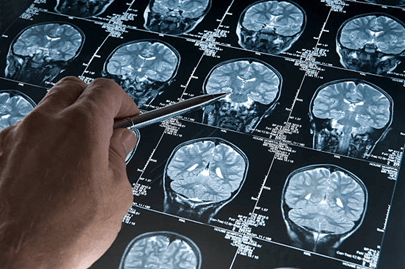
Seek professional help if:
- You experienced any stroke-like episode recently
- You have high-risk medical conditions
- You notice recurring brief neurological symptoms
- You have a strong family history of stroke
- You wish to assess your stroke risk through screening
Conclusion
Frequently Asked Questions
1. How long do mini-stroke symptoms last?
2. Can a mini stroke cause permanent damage?
3. Is a TIA the same as a mild stroke?
4. How is a mini stroke diagnosed?
5. What lifestyle changes help prevent mini strokes?
Disclaimer: This page is for informational purposes and not for promotional use.