
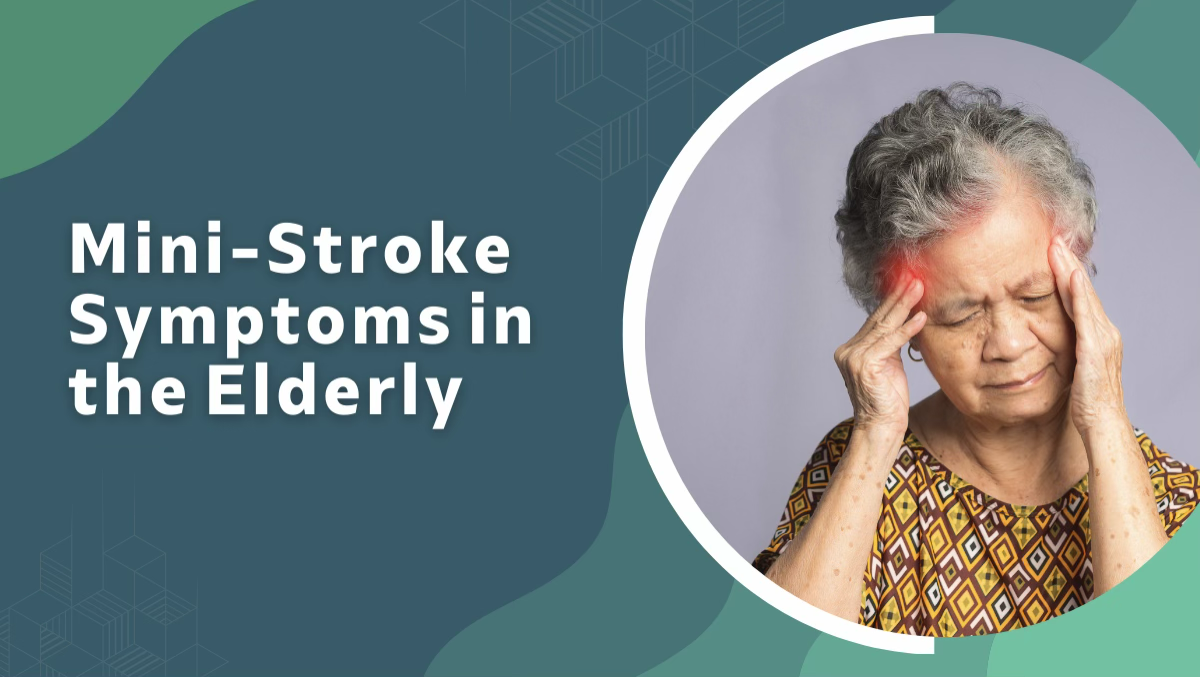
A mini-stroke, also known as a Transient Ischemic Attack (TIA), occurs when there is a temporary blockage of blood flow to the brain. In elderly individuals, TIAs can be especially concerning, as they often signal an increased risk of a full-blown stroke.
Dr. Gurneet Singh Sawhney, a leading neurosurgeon in Mumbai, explains, “TIAs are sometimes called ‘warning strokes’ because they often precede a larger stroke. While the symptoms may be short-lived, it’s essential to treat them as an emergency.”
Mini-strokes typically last anywhere from a few minutes to an hour, with symptoms that resolve quickly. However, ignoring the signs of a mini-stroke can have severe consequences.
Common Mini-Stroke Symptoms in the Elderly
Mini-stroke symptoms in the elderly may be subtle but should always be taken seriously. Common signs include:

Sudden weakness or numbness
Often affecting one side of the body, such as the face, arm, or leg, this can indicate a loss of blood flow to the brain.
Difficulty speaking or understanding speech
This may include trouble articulating words or understanding others. It’s important to note if speech becomes slurred or if comprehension is impaired.
Vision problems
Sudden loss of vision or double vision in one or both eyes, which may be a sign that the brain is not receiving enough oxygen.
Dizziness or loss of balance
A sudden sense of unsteadiness or trouble walking can signal a disruption in brain function, making coordination difficult.
Dizziness or loss of balance
A sudden sense of unsteadiness or trouble walking can signal a disruption in brain function, making coordination difficult.
Dr. Gurneet Singh Sawhney advises, “It’s important for caregivers and family members to be vigilant. Symptoms can be fleeting, but immediate medical attention can prevent a major stroke.”
Concerned about mini-stroke symptoms? Consult with the best neurosurgeon in Mumbai for expert advice on prevention and treatment.
Less Obvious Mini-Stroke Symptoms Often Missed in Seniors
Not all mini-stroke symptoms are immediately obvious, especially in elderly individuals. Some less recognized signs include:
Sudden memory loss or confusion
Difficulty remembering recent events or conversations.
Severe headache
Unexplained headache, especially when combined with other stroke-like symptoms.
Nausea or vomiting
These symptoms can accompany dizziness or loss of balance.
Dr. Gurneet Singh Sawhney adds, “Elderly patients may not always recognize these subtle signs, and they might mistakenly attribute them to other conditions like aging or fatigue.”
How Mini-Stroke Symptoms in the Elderly Differ from Younger Adults
In elderly individuals, mini-strokes may present differently than in younger adults. Common differences include:
Slower onset
The symptoms may come on gradually rather than suddenly, which can make them harder to identify.
Pre-existing medical conditions
Conditions such as high blood pressure, diabetes, and heart disease are common in seniors and can mask or complicate the symptoms of a mini-stroke.
Recurring symptoms
Elderly individuals may experience mini-strokes more frequently, increasing the risk of a major stroke over time.
Dr. Gurneet Singh Sawhney explains, “As we age, our bodies are less able to compensate for disruptions in blood flow. Prompt intervention is crucial in preventing further damage and ensuring better outcomes.”
If you or a loved one are concerned about mini-stroke symptoms, consult with a trusted neurosurgeon in Mumbai for a thorough evaluation and personalized care plan.
When to Treat Symptoms as an Emergency
Mini-strokes should always be treated as an emergency. Even if symptoms resolve quickly, there’s no guarantee that another stroke won’t occur. Key warning signs include:

Sudden numbness or weakness
This often affects one side of the body, such as the face, arm, or leg, and may indicate a blockage in the blood flow to the brain.
Difficulty speaking
If you or someone else experiences trouble forming words, slurred speech, or difficulty understanding others, it’s important to seek help right away.
Vision problems
A sudden loss of vision or double vision, particularly in one or both eyes, could signal a temporary disruption in blood flow to the brain.
Severe headache
A sudden, intense headache with no clear cause, especially if accompanied by other stroke-like symptoms, requires immediate medical attention.
Dr. Gurneet Singh Sawhney emphasizes, “If you or someone you know experiences these symptoms, it’s important to seek medical help immediately. Time is critical in preventing a major stroke.”
If you experience any of these symptoms, don’t wait—contact the best neurosurgeon in Mumbai immediately for urgent care.
Conclusion
Recognizing the symptoms of a mini-stroke is critical in preventing long-term damage and improving the chances of a full recovery. While mini-strokes often resolve quickly, they are a serious warning sign of future strokes. Early intervention can significantly reduce the risk of more severe consequences.
Worried about mini-stroke symptoms? Reach out to a neurosurgeon in Mumbai today for expert guidance and preventative care.
Frequently Asked Questions
1. What are the most common mini-stroke symptoms in the elderly?
The most common symptoms include sudden weakness, confusion, difficulty speaking, vision issues, and dizziness.
2. How do mini-stroke symptoms differ in older adults compared to younger people?
In seniors, symptoms can develop more gradually, and pre-existing conditions like hypertension or diabetes may complicate diagnosis.
3. Can mini-strokes be prevented?
While not all mini-strokes are preventable, managing risk factors like high blood pressure and diabetes can reduce the risk.
4. What should I do if I notice mini-stroke symptoms in a loved one?
Seek immediate medical help. Even if the symptoms subside, it’s important to get a professional evaluation.
5. Are mini-stroke symptoms always short-lived?
Yes, mini-stroke symptoms typically resolve within a few minutes to an hour. However, they often indicate a higher risk for a more serious stroke.
Disclaimer: This page is for informational purposes and not for promotional use.