
Neurological disorders often begin with subtle, overlooked symptoms that can evolve over time. These early signs might seem unrelated to any serious conditions, but catching them early can make a significant difference in treatment and quality of life. The earlier you recognize these signs, the better your chances of managing the condition effectively.
Dr. Gurneet Singh Sawhney, a leading neurosurgeon in Mumbai, explains, “Often, patients ignore the first symptoms, which can delay diagnosis. By recognizing these signs early, we can work together to plan treatment and improve outcomes.”
Common Early Neurological Symptoms
Here are some of the most common early symptoms of neurological disorders that you should watch out for:
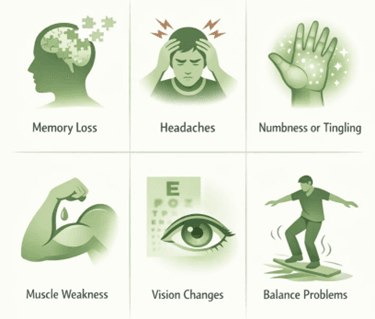
- Memory loss: Forgetfulness and difficulty recalling recent events.
- Memory issues are often one of the first signs of neurological changes. Difficulty remembering recent conversations or events can point to cognitive decline.
- Headaches: Persistent headaches, often accompanied by nausea or dizziness.
- If headaches are constant or get worse over time, especially with symptoms like nausea or dizziness, it may signal an underlying neurological issue.
- Numbness or tingling: Especially in limbs, face, or other parts of the body.
- Unexplained numbness or tingling in your hands, feet, or face can indicate nerve compression or damage that requires prompt attention.
- Muscle weakness: Sudden weakness or loss of strength in one side of the body.
- Muscle weakness on one side of the body, particularly when it occurs suddenly, could be a sign of conditions like stroke or multiple sclerosis.
- Vision changes: Blurred vision, double vision, or difficulty seeing objects clearly.
- Vision problems like double vision, blurriness, or sudden loss of sight can be caused by neurological disorders affecting the eyes or the brain.
- Balance problems: Difficulty maintaining balance, leading to frequent falls or stumbling.
- Sudden difficulty in maintaining balance or frequent falls can indicate a problem with the brain’s coordination system or inner ear.
Dr. Gurneet Singh Sawhney emphasizes, “If you or a loved one experiences any of these symptoms, don’t wait. Early diagnosis is critical in managing and treating neurological disorders effectively.”
When Symptoms May Need Medical Evaluation
Not every symptom signals a serious condition, but there are cases when it’s essential to consult a neurosurgeon. You should seek medical advice if:
- Sudden and severe symptoms: When symptoms like intense headaches or loss of coordination appear suddenly.

- Persistent or worsening symptoms: If the symptoms don’t improve over time or get progressively worse.
- Symptoms with no apparent cause: When symptoms seem to arise without any clear reason and don’t align with previous health conditions.
Dr. Gurneet Singh Sawhney advises, “It’s better to err on the side of caution. Early intervention can help avoid severe complications.”
How Neurological Disorders Are Evaluated
When you visit a neurosurgeon, they will conduct a series of assessments to accurately diagnose the issue:
- Neurological examination: This test involves assessing your reflexes, muscle strength, coordination, and sensory functions. It helps the doctor identify any signs of abnormal neurological function or damage.
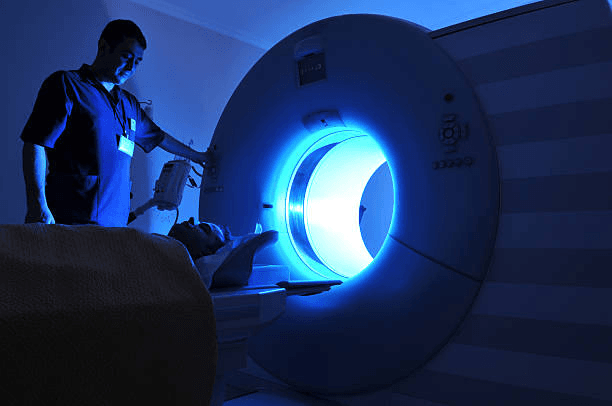
- Imaging tests: CT scans and MRIs are commonly used to visualize the brain and spinal cord. These tests can detect structural abnormalities, tumors, bleeding, or signs of stroke.
- Blood tests: Blood tests are used to detect underlying conditions such as infections, inflammation, or metabolic disorders that can affect the nervous system. These tests help rule out or confirm potential causes of symptoms.
- Cognitive tests: These tests evaluate your memory, reasoning abilities, and overall mental clarity. They help assess cognitive decline, which is crucial for diagnosing conditions like dementia or Alzheimer’s disease.
These tests provide a clear understanding of your condition, helping to guide treatment options.
Role of Neurosurgery in Neurological Care
Neurosurgery is an essential part of treating neurological disorders, particularly for patients who do not respond to conventional treatments. Here’s how it can help:
Brain surgeries:
Procedures to remove tumors, treat brain injuries, or correct abnormal brain functions.

Spinal surgeries:
To treat disorders affecting the spine or spinal cord.
Deep brain stimulation:
A treatment for Parkinson’s disease and other movement disorders.
Conclusion
Recognizing early neurological symptoms and seeking prompt medical attention can make a world of difference. A qualified neurosurgeon can help evaluate your symptoms and provide the appropriate treatment to improve your health and quality of life.
Worried about mini-stroke symptoms? Reach out to a neurosurgeon in Mumbai today for expert guidance and preventative care.