

Migraines are intense and often debilitating headaches that can disrupt daily life. While medication is one way to manage a migraine, there are several practical, evidence-based strategies you can use for fast relief. As a neurosurgeon, I have seen many patients who benefit from these quick and effective techniques, which can help reduce the severity of the migraine and offer relief when time is of the essence.
Dr. Gurneet Singh Sawhney, a leading neurosurgeon in Mumbai, emphasizes the importance of addressing migraines early on to prevent them from escalating.
“Understanding your migraine triggers and applying these relief methods can make a world of difference in minimizing the pain.”
Struggling with frequent migraines? Book an appointment with Dr. Gurneet Singh Sawhney, one of the best neurosurgeons in Mumbai, for expert advice and treatment.
5 Evidence-Based Tips for Instant Migraine Relief

The Sensory Reset Protocol
When a migraine strikes, your nervous system is in overdrive. Reducing external stimuli while optimizing blood flow helps your trigeminal nerve pathway calm down and reset.
How to do it:
- Position: Lie flat with legs elevated at 45° (use pillows or prop feet on the wall)
- Environment: Darkest, quietest room possible—close curtains, turn off all devices
- Temperature: Keep the room at 65-68°F
- Duration: Stay for a minimum of 20 minutes
- Pro tip: Use a weighted eye mask or cool cloth over eyes for added relief
This position improves cerebral circulation while the controlled environment prevents sensory overload.

Dual-Temperature Technique
The game-changer isn’t just ice, it’s using ice and heat simultaneously to target both vascular pain and muscle tension.
How to do it:
- Ice: Apply to temples and forehead for 15 minutes
- Heat: Simultaneously apply a heating pad to the back of the neck
- Why it works: Ice constricts blood vessels while heat relaxes tense neck muscles
- Timing: 15 minutes on, 15 off, repeat 2-3 times
- Safety: Never apply directly to the skin. Use a thin towel barrier
If you only have one option, ice on the temples provides fastest relief for acute pain.
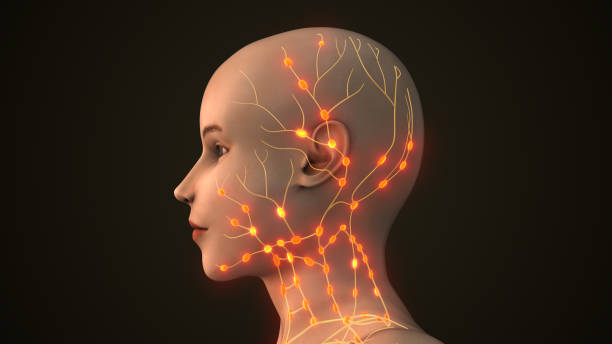
Trigeminal Nerve Pressure Points
Targeted pressure point therapy directly calms the trigeminal nerve—the main nerve in migraine pain, interrupting pain signals to your brain.
Key pressure points:
LI-4 (Hand):
- Location: Webbing between thumb and index finger
- Technique: Apply firm pressure with the opposite thumb for 2-3 minutes per hand
- Pressure: Should feel uncomfortable but not painful (7/10 intensity)
GB-20 (Base of Skull):
- Location: Hollow areas on both sides of the neck, just below the skull base
- Technique: Apply gentle upward pressure with thumbs while tilting head back
- Duration: Hold 3-5 minutes with slow, deep breathing
Combine with the sensory reset position for maximum effectiveness.

Caffeine Timing (100mg Within First 30 Minutes)
Caffeine can be both a trigger and a treatment. Used correctly in early stages, it constricts dilated blood vessels and reduces pain intensity.
How to use it strategically:
- Dosage: Exactly 100mg (one 8 oz strong coffee or two cups of black tea)
- Critical timing: Within first 30 minutes of onset—after that, effectiveness drops
- Pair with food: Small snack prevents stomach upset and rebound headaches
- Works best for: Non-daily caffeine users
- Avoid if: You consume 300mg+ daily or have caffeine sensitivity
Warning: Don’t exceed 100mg or use for every migraine—overuse leads to medication overuse headaches.

Strategic Hydration Protocol
Even mild dehydration (1-2% fluid loss) can trigger migraines. But it’s not just about water—you need the right electrolyte balance
The formula:
- What to drink: 16 oz room-temp water + pinch of sea salt + juice from ½ fresh lemon
- Why room temp: Cold water can trigger brain freeze and worsen symptoms
- How: Sip slowly over 15-20 minutes—don’t chug
- Why this recipe: Salt replaces electrolytes, and lemon helps with nausea
- Continue: Aim for 32 oz total in the first hour
If nauseous, take smaller sips (2-3 oz every 5-10 minutes).
The 60-Minute Action Timeline
To manage a migraine effectively, acting quickly is essential. Here’s a step-by-step guide to tackling your migraine in the first hour:
0-15 Minutes: Immediate Response
- Hydrate with the electrolyte formula
- Get into the sensory reset position
- Adjust room temperature
15-30 Minutes: Temperature Therapy
- Apply ice to temples
- Follow with heat on the neck
30-45 Minutes: Pressure Point Intervention
- Target LI-4 and GB-20 points
- Consider 100mg caffeine if early in migraine
45-60 Minutes: Reassess
- If there is no improvement, medication may be needed
Need personalized migraine relief strategies? Consult Dr. Gurneet Singh Sawhney for a tailored treatment plan and expert guidance on managing your migraines.
Why These Techniques Work (The Neuroscience)
The science behind migraine relief lies in understanding the migraine pathway. A migraine occurs when there’s a disruption in the brain’s electrical activity, often triggered by environmental factors, stress, or changes in the body’s chemistry. Intervening at the onset of a migraine is key to minimizing its intensity and duration.
Migraines are typically characterized by overactive nerve responses and changes in blood flow within the brain. Techniques that target these pathways, such as cooling or heating specific areas, hydrating effectively, or stimulating pressure points, work to rebalance the nervous system and restore normal function.
Warning Signs: When Home Remedies Aren't Enough
As a neurosurgeon, I want you to seek immediate medical attention if you experience:
- Sudden, severe headache (“worst headache of your life”)
- Migraine with fever and stiff neck
- New neurological symptoms: vision loss, weakness, slurred speech, confusion
- First migraine after age 50
- Headache after a head injury
Schedule a consultation if:
- You’re having migraines more than 4 times per month
- These relief techniques used to work, but no longer do
- Over-the-counter medications aren’t providing adequate relief
- Migraines are significantly affecting your work or quality of life
Dr. Gurneet Singh Sawhney advises,
“If migraines are frequent or if new symptoms develop, it’s essential to seek expert advice. Understanding the root causes of your migraines is key to developing a tailored treatment plan.”
Conclusion
Understanding how to manage migraines in the early stages can significantly reduce their impact. While these strategies provide effective relief, seeking a long-term solution that addresses underlying causes is crucial. Regular consultations with a neurosurgeon or a headache specialist are advised for those experiencing chronic migraines.
Don’t let migraines control your life! Schedule a consultation with Dr. Gurneet Singh Sawhney and take the first step towards long-term migraine relief.
FAQ's
What are the first signs of a migraine?
The initial signs of a migraine include throbbing pain, nausea, light sensitivity, and sometimes visual disturbances like flashes of light. Identifying these early symptoms can help in taking timely action for relief.
How long does it take for migraine relief to kick in with these methods?
Relief times can vary, but most people feel some relief within 30-60 minutes of applying these strategies. Consistency and early intervention are key to minimizing the duration and intensity of the migraine.
Is caffeine always effective for migraine relief?
Caffeine can provide relief if taken within the first 30 minutes of migraine onset. However, it’s important to avoid overuse, as frequent caffeine consumption can sometimes lead to rebound headaches.
Can dehydration cause migraines?
Yes, dehydration is a common trigger for migraines. Ensuring proper hydration with a mix of water, electrolytes, and a pinch of salt can help prevent or reduce the severity of a migraine.
When should I see a doctor for my migraines?
If you experience frequent migraines, or if they last longer than 72 hours, or come with unusual symptoms such as changes in vision or speech, it’s best to consult a healthcare professional for a thorough evaluation and treatment options.