

TL;DR
How to Prevent Brain Aneurysms
Brain aneurysms cannot always be fully prevented, but modifiable risk factors can be meaningfully reduced. Controlling blood pressure, quitting smoking, limiting alcohol, eating a balanced diet, and managing stress all protect blood vessel health. Those with a family history, hypertension, or polycystic kidney disease should consider screening through MRI or CT. Early detection allows close monitoring and proactive management before rupture becomes a risk.
Brain aneurysms are abnormal bulges in the brain’s blood vessels. If left untreated, these aneurysms can rupture, leading to severe health consequences such as stroke, brain damage, or even death. While preventing a brain aneurysm entirely is not always possible, there are steps you can take to lower your risk. This blog explores the prevention methods, lifestyle changes, and medical conditions that contribute to brain aneurysm risk, helping you make informed decisions about your health.
Can Brain Aneurysms Be Prevented?
While brain aneurysms cannot always be entirely prevented, there are measures you can take to significantly reduce the risk. A healthy lifestyle, controlling underlying medical conditions, and regular medical checkups can help minimize your chances of developing one.
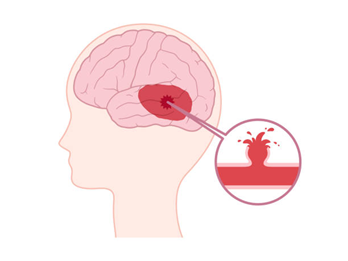
Dr. Gurneet Singh Sawhney, a top neurosurgeon in Mumbai, explains, “Prevention involves addressing modifiable risk factors such as high blood pressure, smoking, and diet. Although we can’t always prevent the development of an aneurysm, we can manage factors that increase the risk.”
Concerned about your risk for a brain aneurysm? Consult with a trusted neurosurgeon in Mumbai to discuss your health and preventive options.
Who Is at Higher Risk of Developing a Brain Aneurysm?
Some people are more prone to developing brain aneurysms due to genetic, environmental, or health-related factors. Here are the key risk factors:
Age
Aneurysms are more common in people aged 35-60.
Gender
Women are at a higher risk than men, particularly in their 30s and 40s.
Family history
If a family member has had a brain aneurysm, your risk is increased.
High blood pressure
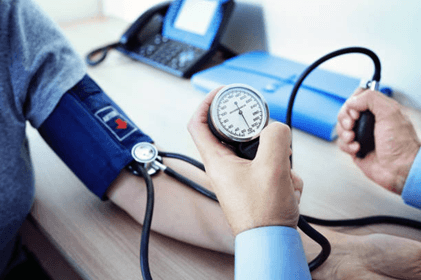
Hypertension weakens the blood vessels, making them more prone to aneurysms.
Smoking
Smoking damages blood vessels, increasing the risk of aneurysm formation
Excessive alcohol use
Chronic heavy drinking can contribute to high blood pressure and vessel damage.
Dr. Gurneet Singh Sawhney advises, “Understanding your personal risk factors is key to taking proactive steps to reduce your chances of developing an aneurysm. Regular health screenings can be invaluable.”
Lifestyle Changes That Help Prevent Brain Aneurysm
Lifestyle changes are one of the most effective ways to lower the risk of brain aneurysms. Consider the following:
Quit smoking
Smoking is one of the most significant modifiable risk factors for aneurysms. Stopping smoking can help protect your blood vessels and overall health.
Maintain a healthy blood pressure
Controlling high blood pressure with medication, exercise, and a healthy diet can greatly reduce aneurysm risk.
Eat a balanced diet
A diet rich in fruits, vegetables, whole grains, and low in saturated fats can help maintain healthy blood vessels.
Limit alcohol consumption
Reducing or eliminating alcohol intake can prevent high blood pressure and damage to the arteries.
Manage stress
Chronic stress can elevate blood pressure, contributing to aneurysm risk. Practicing stress-reducing techniques like yoga, meditation, and relaxation can benefit your vascular health.
Dr. Gurneet Singh Sawhney emphasizes, “Adopting a healthy lifestyle is crucial. Consistency in these changes can not only reduce your risk of aneurysms but also improve your overall cardiovascular health.”
Medical Conditions That Increase Aneurysm Risk and How to Manage Them
Certain medical conditions can increase the risk of developing a brain aneurysm. Here’s how you can manage them:
Hypertension
Control high blood pressure through medications, lifestyle changes, and regular monitoring.
High cholesterol
Elevated cholesterol levels can contribute to arterial damage. Medication, diet, and exercise can help keep cholesterol in check.
Polycystic kidney disease
This genetic disorder increases the risk of aneurysms. Regular check-ups with a healthcare provider are essential for monitoring kidney function and brain health.
Connective tissue disorders
Conditions like Ehlers-Danlos syndrome and Marfan syndrome can weaken blood vessels. People with these conditions should follow their healthcare provider’s guidance closely.
Dr. Gurneet Singh Sawhney advises, “If you have any of these conditions, working with your doctor to manage them effectively is essential for reducing the risk of aneurysms.”
Can Screening Prevent Brain Aneurysm Rupture?
For individuals at higher risk, screening may help detect aneurysms before they rupture. While routine screening is not necessary for everyone, those with a family history of aneurysms, specific genetic conditions, or a previous aneurysm may benefit from imaging tests like CT scans or MRIs to identify aneurysms early.
Dr. Gurneet Singh Sawhney says, “Screening can help detect aneurysms before they cause problems. Early detection allows us to monitor the condition and take preventive steps.”
When to Seek Medical Advice for Aneurysm Prevention
If you have risk factors for brain aneurysms or experience any of the following symptoms, seeking medical advice is crucial:

Nausea or vomiting
These symptoms may accompany a severe headache or other neurological signs.
Vision problems
Blurred vision or double vision could indicate an issue with blood flow to the brain.
Sudden numbness or weakness
This often affects one side of the body, such as the face, arm, or leg.
Loss of consciousness or confusion
Any sudden confusion or unconsciousness should be treated as a medical emergency.
Dr. Gurneet Singh Sawhney advises, “If you experience any of these warning signs, don’t wait. Immediate consultation with a neurosurgeon can be life-saving.”
Conclusion
Preventing brain aneurysms involves understanding your risk factors, managing underlying health conditions, and adopting a healthy lifestyle. While you cannot eliminate all risks, proactive measures like regular screenings for those at higher risk can help detect aneurysms early, improving outcomes. If you’re concerned about your risk for brain aneurysms, don’t hesitate to seek advice from a qualified neurosurgeon.
Nausea or vomiting
These symptoms may accompany a severe headache or other neurological signs.
Vision problems
Blurred vision or double vision could indicate an issue with blood flow to the brain.
Sudden numbness or weakness
This often affects one side of the body, such as the face, arm, or leg.
Loss of consciousness or confusion
Any sudden confusion or unconsciousness should be treated as a medical emergency.
Dr. Gurneet Singh Sawhney advises, “If you experience any of these warning signs, don’t wait. Immediate consultation with a neurosurgeon can be life-saving.”
Worried about mini-stroke symptoms? Reach out to a neurosurgeon in Mumbai today for expert guidance and preventative care.
Frequently Asked Questions
1. Can brain aneurysms be prevented completely?
While it’s not always possible to fully prevent brain aneurysms, managing risk factors such as high blood pressure, smoking, and maintaining a healthy lifestyle can significantly reduce the risk.
2. Who is at higher risk for developing a brain aneurysm?
Individuals over 35, women, people with a family history of brain aneurysms, and those with conditions like hypertension and polycystic kidney disease are at higher risk.
3. What lifestyle changes can help prevent brain aneurysms?
Quitting smoking, managing blood pressure, eating a healthy diet, exercising regularly, and reducing alcohol intake are key lifestyle changes that can reduce the risk of aneurysms.
4. Are regular screenings necessary for everyone?
Routine screenings are not necessary for everyone, but individuals with risk factors such as a family history of aneurysms or certain genetic conditions may benefit from screening to catch aneurysms early.
5. What symptoms should prompt immediate medical consultation?
Symptoms like severe headaches, nausea, vision problems, sudden numbness or weakness, and confusion should be evaluated immediately by a healthcare provider.
Disclaimer: This page is for informational purposes and not for promotional use.